
Surah Al-Mulk and Its Themes: Relevance to the Events of Karbala
Hussain’s stand at Karbala was a monumental act of resistance against the oppressive regime of Yazid.

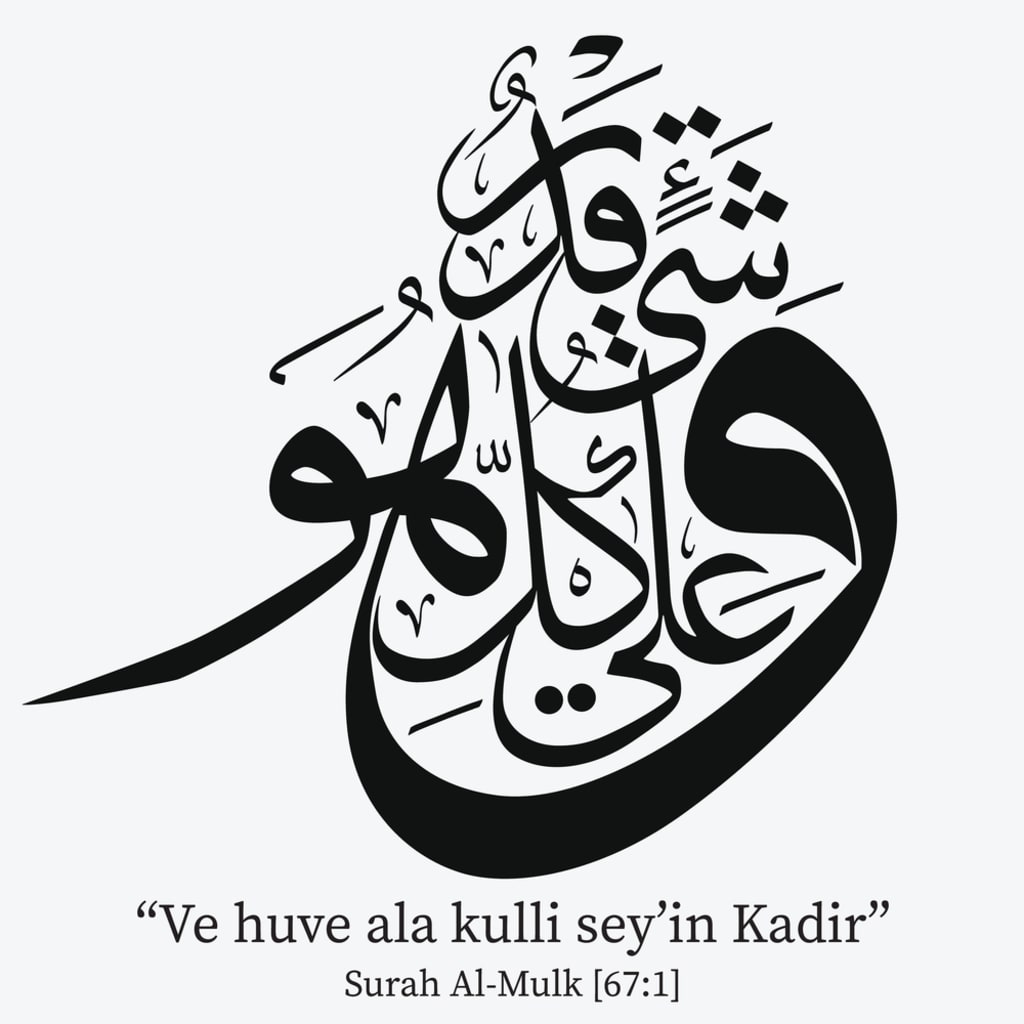
Surah Al-Mulk, the 67th chapter of the Quran, consists of 30 verses and emphasizes the greatness of Allah, the intricacies of creation, and the importance of recognizing divine authority. Its themes resonate profoundly with the events of Karbala, a pivotal moment in Islamic history that highlights the struggle between righteousness and tyranny. This article explores the core themes of Surah Al-Mulk and their relevance to the tragic events that unfolded during the battle of Karbala.
1. Divine Sovereignty and Authority
One of the central themes of Surah Al-Mulk is the sovereignty of Allah over all creation. The surah opens with a proclamation of His greatness: “Blessed is He in whose hand is the dominion, and He is over all things competent” (Quran 67:1). This declaration serves as a reminder that ultimate authority belongs to God alone.
In the context of Karbala, this theme becomes critical. Imam Hussain, the grandson of the Prophet Muhammad, recognized that Yazid’s claim to leadership was not aligned with divine principles. Hussain’s stand against Yazid was a testament to his belief that authority should be just and morally sound, reflecting Allah’s sovereignty. Hussain’s refusal to pledge allegiance to a tyrant underscores the importance of upholding divine authority against human oppression.
2. Reflection on Creation
Surah Al-Mulk invites its readers to reflect on the natural world and recognize the signs of Allah’s existence: “Do they not reflect upon the earth—how much We have spread it out and cast therein mountains?” (Quran 67:15). This call to reflection encourages believers to contemplate their place within creation and to acknowledge the Creator’s power.
The events at Karbala can also be seen through this lens of reflection. The battlefield, set against the backdrop of an expansive desert, serves as a physical representation of the struggle between good and evil. As Hussain and his companions faced overwhelming odds, their steadfastness became a reflection of divine principles that transcend the physical realm. The events of Karbala urge the faithful to reflect on their own lives and the choices they make in the face of injustice.
3. The Concept of Accountability
Another significant theme in Surah Al-Mulk is the concept of accountability in the Hereafter. The surah emphasizes that humans will be judged for their actions: “And do not think that We will not fulfill Our promise to the messengers of Allah. Indeed, We will help them in this world and on the Day of Resurrection” (Quran 67:17). This serves as both a warning and a source of hope for believers.
Imam Hussain’s journey to Karbala was driven by his understanding of this accountability. He knew that standing against tyranny was not only a moral obligation but also a responsibility before Allah. Hussain’s martyrdom represents a powerful statement about the importance of justice and the consequences of turning a blind eye to oppression. His sacrifice continues to remind Muslims of their accountability to uphold justice in their own lives.
4. The Transience of Life
Surah Al-Mulk also addresses the ephemeral nature of life, urging believers to consider the fleeting nature of worldly possessions and status. The surah states, “He who created death and life to test you as to which of you is best in deed” (Quran 67:2). This verse highlights that the ultimate measure of a person is not their material wealth but their actions and intentions.
The events of Karbala starkly illustrate this theme. Despite facing death, Imam Hussain and his followers chose to uphold their principles over surrendering to tyranny. Their willingness to sacrifice their lives for the sake of truth exemplifies the understanding that life’s true value lies in living according to divine guidance rather than in the pursuit of worldly power or comfort.
5. Resistance Against Oppression
Finally, the overarching theme of resistance against oppression in Surah Al-Mulk is mirrored in the events of Karbala. The surah asserts that believers should have faith in Allah’s ultimate plan and that they should not succumb to despair in the face of injustice. The phrase, “Indeed, We have prepared for the disbelievers chains and shackles and a blaze” (Quran 67:12), serves as a reminder that those who perpetrate injustice will face consequences.
Hussain’s stand at Karbala was a monumental act of resistance against the oppressive regime of Yazid. His refusal to compromise on principles of justice, truth, and morality has inspired countless generations to stand against tyranny. The spirit of resistance embodied by Hussain is a beacon of hope for those facing oppression, reminding them that standing for justice is a noble and sacred endeavor.
Conclusion
The themes of Surah Al-Mulk resonate deeply with the events of Karbala, illustrating the profound connection between divine sovereignty and human responsibility. Imam Hussain’s struggle serves as a powerful reminder of the importance of faith, justice, and resistance against tyranny. As Muslims reflect on the lessons from Surah Al-Mulk and the tragedy of Karbala, they are called to embody these principles in their own lives, standing steadfastly for truth and justice in a world often rife with oppression.
About the Creator
The Unique Case of Alma Mater TV
(A Review of Charmaine Voigt's Dissertation on Practical Media Training) Abstract This review examines the Bulgarian case study of Alma Mater TV as discussed in Charmaine Voigt's doctoral dissertation College Television: Practical Media Training in US and German Higher Education. While Voigt's work focuses primarily on Anglo-American and German contexts, the Bulgarian example stands out as an exceptional and largely unmatched model of student television in Europe. Alma Mater TV, based at the Faculty of Journalism and Mass Communication at Sofia University 'St. Kliment Ohridski', functioned not merely as a training platform but as a fully operational public-facing television project. Students produced and aired original programmes on Bulgaria's largest national broadcasters without censorship or editorial interference, while simultaneously participating in the creation of a European student television network. This review argues that Alma Mater TV represented a globally unique pedagogical and institutional experiment whose decline resulted not from structural failure but from a lack of strategic vision at the university leadership level. Particular attention is paid to the decisive roles of Professor Svetla Bozhilova and Professor Peter Ayolov in establishing and sustaining this model.
By Peter Ayolov2 days ago in Education



Comments (1)
Keep up this nice work bro.