
Is it time to change the UK Policy on drugs ?
What You Need to Know


Hey, everyone! Let’s chat about something that impacts many of us in the UK music scene — drug policy and harm reduction. With drug-related deaths in England and Wales rising for the 11th year in a row, reaching a record high of 4,907 deaths in 2022 [5], it’s essential to understand what’s happening and why it’s a crucial time for change.
The Current Situation
What’s Going On?
The UK is at a major turning point when it comes to drug policy, and there’s a ton of evidence indicating that change is not only necessary but possible. For years, there’s been a lot of debate over whether we need to prioritize harm reduction (focusing on health and safety) or maintain a punitive approach (focusing on criminalizing drug use). The reality is, the numbers don’t lie: the current system isn’t working.
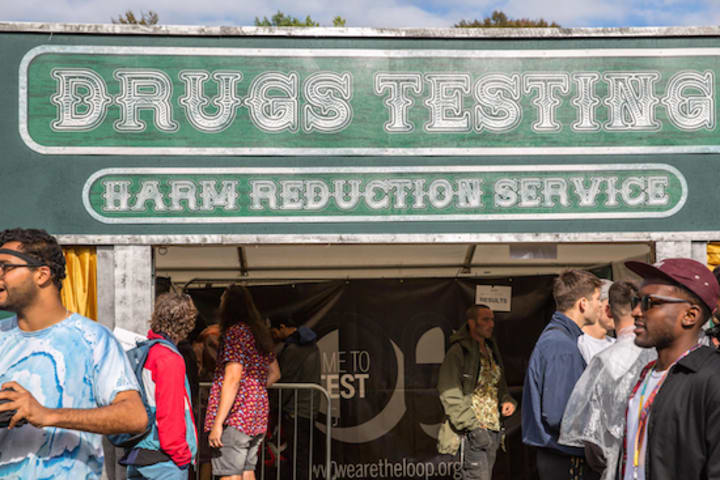
For example, research shows that drug-checking services actually make a difference. When people know what they’re really taking, they’re more likely to make safer choices. This is especially true for younger people and first-timers, who tend to be the most likely to use these services when they’re available [1]. In response, the UK opened its first regular drug-checking service in Bristol in January 2024 [2]. While this is a big step forward, it’s also just a beginning.
Why This Matters for You
Your Safety Comes First
Research shows that drug-checking services influence people to make safer decisions [1].
Bristol’s new service is a pioneering step, and it’s proven that people, especially young users, want these services and benefit from them [2].
With so many new substances on the market and an increasing number of drug-related deaths, it’s more crucial than ever to have reliable tools to keep you safe [5].
Better Results from Smarter Policies
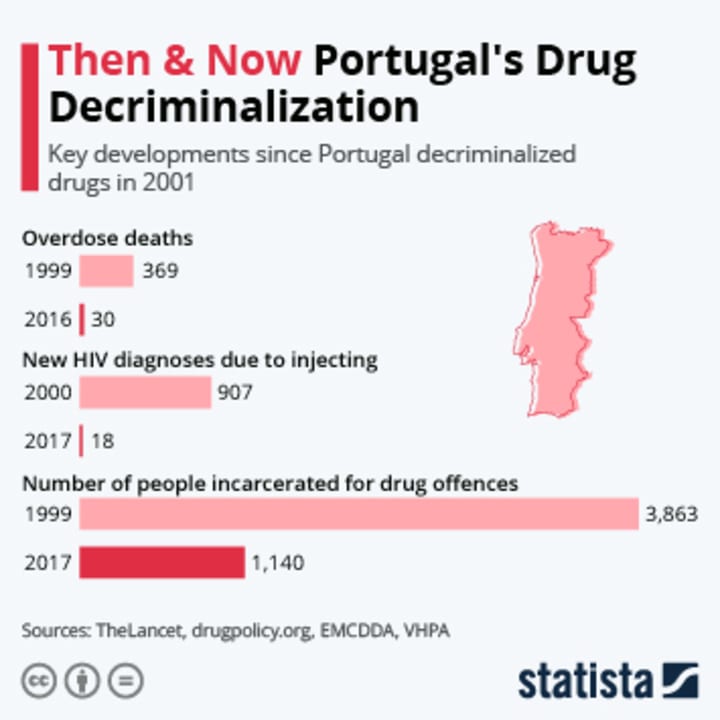
There’s a lot we can learn from Portugal’s experience with drug decriminalization. Since they decriminalized all drugs in 2001, they’ve seen fewer drug-related deaths, lower rates of HIV, and a significant reduction in the number of people in prison for drug-related offenses [3].
Portugal’s approach also saved money. In fact, they achieved an 18% reduction in overall costs related to drug policies by focusing on health and treatment rather than punishment [6].
More people in Portugal now get the help they need instead of facing criminal charges, which leads to better long-term outcomes for individuals and society [3].
Stronger Support Systems
A health-focused approach doesn’t just reduce deaths — it provides people with real help when they need it.
Rather than penalizing individuals, a supportive system focuses on treatment and education. This gives people a chance to make informed choices, reduces stigma, and leads to healthier outcomes.
Evidence shows that these approaches work. Countries that have adopted health-based policies often report better health outcomes, lower costs, and greater public support for harm reduction measures.
What’s Working Elsewhere?
To better understand the effectiveness of these approaches, let’s look at places that have already made these changes, like Portugal. Since implementing its decriminalization policy, Portugal has seen major improvements. Their story is one of fewer drug-related deaths, reduced HIV infection rates, and a significant decrease in the number of people imprisoned for drug offenses. In fact, Portugal’s model has become an example for many other countries considering a shift toward harm reduction [3].
Another example is Switzerland, which has seen positive outcomes from its own harm reduction policies, including supervised injection sites and widely available treatment options. These measures have led to lower rates of overdose deaths and reduced the spread of infectious diseases. Countries like Canada and Australia have also adopted similar strategies, showing that harm reduction can be adapted to different cultural contexts with success.
How This Affects You Directly
Safer Partying
When you have access to drug-checking services, you’re better equipped to make safe choices. These services are proven to work, particularly when risky substances are found in a sample [1].
Young people, in particular, are more likely to use these services if they’re available, which means a healthier, safer nightlife for everyone [4].
These services can also provide emergency support if it’s needed, so that in the case of a bad reaction, help is readily available.
Better Support
A health-focused approach removes much of the judgment that can often deter people from seeking help. When people feel supported, they’re more likely to access services and make healthier choices.
Harm reduction initiatives prioritize compassion and understanding, which can significantly improve the way people view drug-related health issues and their own well-being.
Access to help becomes easier when services focus on education and treatment rather than punishment. This is especially important for new users, who may be unfamiliar with the risks and could benefit most from harm reduction services.
Smart Spending
Portugal saw an 18% cost reduction in drug-related expenses after shifting to a health-based approach [6].
Money that would have gone toward punitive measures instead funds essential services that save lives and improve public health.
By reallocating resources, governments can invest more in public health, which benefits everyone — not just those who use drugs.
The Real Talk
Why the Current System Isn’t Working
It’s clear that our current approach isn’t effective. The record-high drug-related deaths in the UK make it painfully obvious that we need a change [5]. The good news? We already know what works:
Proven Safety Measures
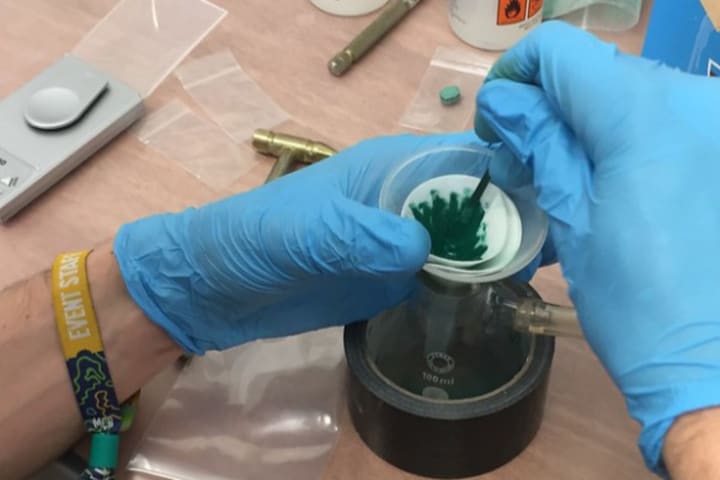
Drug-checking services help prevent harm by allowing people to see exactly what they’re taking. When unexpected or dangerous substances are found, users often make safer choices [1].
Countries that have implemented these services, like Switzerland and Canada, report lower rates of drug-related harm.
Young people, in particular, are likely to use these services when they’re available, which leads to better overall outcomes for communities [4].
Education Over Punishment
Portugal’s experience shows us that health-focused policies are effective. Not only have they seen fewer deaths and reduced disease transmission, but they’ve also saved money by focusing on treatment and support rather than punishment [3, 6].
By investing in education and harm reduction, we can build a system that supports those who need help and prevents harm from happening in the first place.
More people seek help when the threat of criminal penalties is removed, which makes communities safer and healthier overall.
Community Support
With better funding for harm reduction services, communities can offer more support to those who need it most.
Health-based approaches are backed by evidence and have been shown to improve public safety, reduce costs, and increase public trust in health services.
Shifting focus from criminalization to health and safety allows us to build a system that genuinely helps people, rather than one that just punishes them.

What You Can Do
As the UK continues to debate these changes, there are steps you can take to stay informed and safer:
Stay Informed
Follow local harm reduction organizations to keep up with the latest news and services. For example, keeping an eye on developments in Bristol’s drug-checking service can provide valuable insights [2].
Being aware of your rights and what services are available to you is crucial for making informed decisions.
The more you know, the better equipped you’ll be to stay safe and help others do the same.
Look After Yourself and Others
Use available harm reduction services, whether it’s drug-checking, counselling, or other forms of support.
Know where to go if you or someone you know needs help, whether it’s an emergency or just a safe place to talk.
Watching out for your friends and encouraging safe choices can make a big difference in ensuring everyone has a good time and stays safe.
The Bottom Line
Health-focused approaches work better than punishment. From Portugal’s successful decriminalization model to the proven effectiveness of drug-checking services, we have solid evidence that prioritizing health and safety leads to better outcomes. The UK’s record-high drug-related deaths are a clear signal that we need change now [5].
The path forward is evident: more education, less punishment, and a focus on harm reduction. By following examples like Portugal and Switzerland, the UK can build a more compassionate, effective system that helps people stay safe, informed, and supported.

Final Thoughts
While change may seem slow, the evidence is clear. Shifting to a health-based approach can make a real difference in reducing harm, saving lives, and improving overall public health. So, as you go out there and enjoy yourself, remember to stay safe, look after one another, and keep pushing for the change we need.
Note: This post aims to inform about policy changes and harm reduction. Always prioritize your safety and well-being, and seek professional help if needed.
References:
[1] NCBI: Systematic Review of Drug Checking Services
[2] EUDA: Drug Checking Services in Europe
[3] Transform Drugs: Portugal Drug Decriminalization Facts
[4] Transform Drugs: UK Drug Checking Research
[5] ONS: Deaths Related to Drug Poisoning in England and Wales
[6] Parliamentary Publications: Drug Policy Economic Impact
About the Creator
Sid Coulton
I have discovered a love for writing blogs, creating stories and writing articles. My book reviews do contain affiliate links as i am an Amazon Associate.
Keep reading
More stories from Sid Coulton and writers in Education and other communities.
The Real Deal on Drugs at University
Hey there, future uni legends! Ready to dive into campus life? Before you start planning those epic nights out, let’s have a real talk about something that’s probably on your mind but maybe you’re afraid to ask about: drugs at uni.
By Sid Coultonabout a year ago in Education
Rarely Seen: Experimental & Pattern U.S. Coins That Spark the Hobby
So, What Exactly Are These Coins? Let’s clear up the biggest confusion first. "Pattern" and "experimental" are related, but they’re not the same thing. Knowing the difference is your first step from curious collector to informed enthusiast.
By Laura Bennett5 days ago in Education
Best Hunting Destinations in America Every Hunter Should Visit
Hunting has deep roots in American culture. It connects people to the land and to a long outdoor tradition. From vast plains to deep forests, the country offers many places where hunters can test their skills and enjoy nature. This guide explores America’s Best Hunting Destinations clearly and straightforwardly. Each place provides rich wildlife, strong traditions, and unforgettable landscapes. If you love the outdoors, these destinations deserve a spot on your travel list.
By Joe Sottolano7 days ago in Education
The Blue Ridge Stalker
Tom had left the Ford down the way, its spark plugs finally exhausted and no mechanics for a dozen miles back through the foothills to Strossburg. No matter, he had worn his boots—almost as if he planned for this to happen. The puzzle he sought to solve emanated from the woods clinging to the slopes above; the valley behind held no mysteries.
By Stephen A. Roddewig4 days ago in Fiction



Comments
There are no comments for this story
Be the first to respond and start the conversation.