
The Real Deal on Drugs at University
What You Need to Know


Hey there, future uni legends! Ready to dive into campus life? Before you start planning those epic nights out, let’s have a real talk about something that’s probably on your mind but maybe you’re afraid to ask about: drugs at uni.
The Lowdown: What’s Really Going Down on Campus?
First things first, let’s hit you with some facts that might blow your mind:
- Recent surveys show that about 18% of UK students have ever used drugs, with 12% reporting drug use in the past twelve months [3][5]. That’s fewer than you might think!
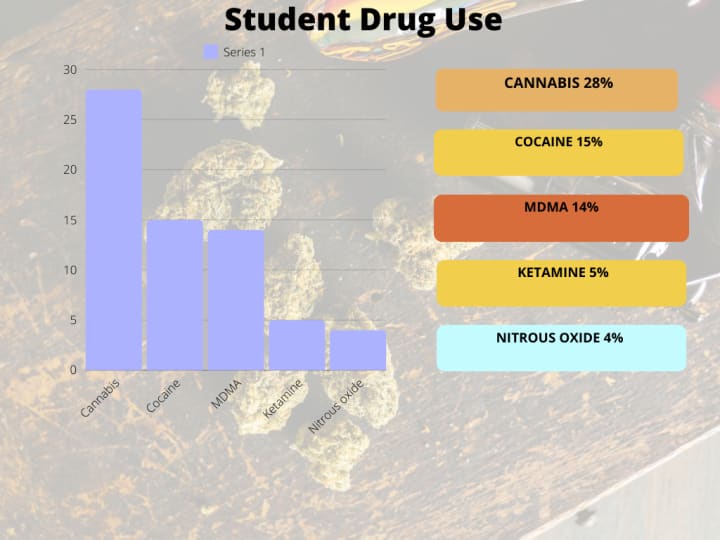
- Cannabis is the most commonly used drug among university students, with 28% of students surveyed reporting use [4].
- Other popular drugs include MDMA (15%), nitrous oxide (14%), cocaine (5%), and ketamine (4%) [4].
- Dame Carol Black’s review highlighted a significant increase in powder cocaine use, as well as ketamine, MDMA, ecstasy, and cannabis use among young adults.
But here’s the kicker. Universities are finally waking up to this reality. They’re starting to realize that pretending drugs don’t exist on campus is about as effective as using a chocolate teapot. So, things are changing, and you need to be in the know.
Why Should You Give a Flying Flip?
Now, you might be thinking, “Cool story, bro. But why should I care?” Well, buckle up, because here’s why this matters to YOU:
- Mental Health is No Joke: Stress, anxiety, depression — these are already part of the uni experience for many. A study of college students found that 44.1% showed symptoms of severe anxiety, and 46.5% exhibited symptoms of severe or moderately severe depression. Drug use can exacerbate these issues or even trigger new ones.
- Your Future’s on the Line: Universities are dealing with issues around fitness to study and fitness to practice procedures related to student drug use. A drug-related incident could seriously impact your academic career and future job prospects.
- It’s Not Just About You: Your choices don’t just affect you. There’s a kind of normalization occurring around drug use, with potential harms for both users and non-users. Your actions can influence your peers and the overall campus culture.
- Legal Consequences Are Real: Different areas have different approaches to drug possession. Some police forces are investing heavily in diversion schemes to divert people away from the criminal justice system and towards treatment if needed. But a drug conviction could still have serious long-term consequences.

The Good News
Universities Are Stepping Up Their Game.
Now for some good news! Universities are finally realizing that zero tolerance policies aren’t the answer. Here’s what’s changing:
- Open Conversations: Unis are starting to talk about drugs openly. No more sweeping it under the rug or pretending it doesn’t happen.
- Harm Reduction: Instead of just saying “don’t do drugs,” they’re focusing on how to keep you safe if you do choose to partake. This includes providing information about safer use practices and potential risks.
- Support Over Punishment: More unis are looking at ways to help students rather than just kicking them out. This might include counselling services, support groups, or referrals to specialized treatment programs.
- Collaboration with Local Services: Universities are teaming up with local drug services to provide better support and information. This means you might have access to professional help right on campus or nearby.
- Peer-Led Initiatives: Unis are recognizing the power of students helping students. These programs can provide relatable, judgment-free support and information.

What Does This Mean for You?
So, how does all this uni policy stuff actually affect your life? Here’s the deal:
You Can Actually Talk About It: If you’re struggling with drug use, you might be able to get help without fear of immediate expulsion. Check your uni’s policies!
- Better Information: Expect to see more honest, helpful info about drug use and its risks on campus. This could include workshops, guest speakers, or informational campaigns.
- Peer Support: Look out for peer-led initiatives that can give you the real talk about drugs and partying. These programs often provide a more comfortable environment for discussing sensitive topics.
- Improved Staff Training: The people working at your uni might be getting better at spotting and helping with drug-related issues. This means more understanding and support if you’re struggling.
The Ultimate Guide to Partying Smart
Alright, let’s get to the good stuff. Here’s how to party like a pro without completely losing your shit:
- Know Your Stuff: If you’re going to use it, at least know what you’re taking and only get it from someone you know and trust. Get it sorted in advance to prevent the temptation of finding it on the night. Test kits are a thing, people! Understanding the effects, risks, and potential interactions of different substances can help you make informed decisions.
- Stay Hydrated: Not just with beer! Water is your best friend when you’re partying. Dehydration can amplify the negative effects of many substances and make your hangover way worse.
- Buddy System: Never party alone. Always have a friend who knows what you’ve taken and can look out for you. Make a pact to keep an eye on each other and intervene if things start going south.
- Have an Exit Plan: Always know how you’re getting home safely. Sort out your ride before you start partying. Whether it’s a designated driver, a taxi fund, or a plan to crash at a friend’s place, make sure you’re not making risky decisions when you’re not at your best.
- Know Your Limits: It’s okay to say no or to stop when you’ve had enough. Real friends will respect your decisions. Don’t let peer pressure push you into situations you’re not comfortable with.
- Mind Your Meds: If you’re on any medications, know how they might interact with alcohol or other substances. Some combinations can be seriously dangerous.
- Safe Spaces: If your uni or local area has designated safe spaces or chill-out zones at events, know where they are. These can be lifesavers if you or a friend needs a break or some help.

The Real Talk
Risks and Realities.
Let’s be real for a minute. Drugs are out there, and some of you are going to try them. But here’s what you need to know:
- Your Body, Your Choice: But make it an informed choice. Don’t just follow the crowd because you think it’s what everyone else is doing. Remember, most students actually don’t use drugs regularly[5].
- It’s Not All Fun and Games: The comedown can be brutal. We’re talking days of feeling like absolute garbage, both physically and mentally. Some substances can have long-lasting effects on your brain chemistry and overall health.
- Mental Health Matters: If you’re using drugs to cope with stress or anxiety, there are healthier alternatives. Your uni probably has support services — use them! Counselling, mindfulness programs, and peer support groups can be great resources.
- Legal Consequences: Getting caught with drugs could mean a criminal record, which can seriously mess up your future job prospects. Some countries won’t even let you visit if you have a drug conviction.
- Social Media Influence: Nearly 90% of college-aged young adults use social media, where substance use posts are common. Be aware that viewing alcohol-related content can influence your attitudes and intentions towards drinking. Don’t let your FOMO (Fear of Missing Out) push you into risky behaviours.
- Academic Impact: Regular drug use can affect your concentration, memory, and motivation. Don’t let it derail your studies and the future you’re working towards.
- Fake News Alert: There’s a lot of misinformation out there about drugs. Always cross-check your sources and be sceptical of claims that sound too good (or bad) to be true.

What’s Next on the Horizon?
Unis are still figuring this out, but change is coming. Here’s what you might see in the near future:
- More Open Discussions: Expect drug use to be talked about more openly on campus, maybe even in your classes. This could include discussions about policy, health impacts, and societal effects.
- Better Support Services: Unis might start offering more specialized support for students dealing with drug issues. This could include on-campus counselling, support groups, or partnerships with local treatment centre's.
- Harm Reduction Initiatives: Look out for things like drug testing services or safe consumption spaces on or near campus. While controversial, these programs aim to reduce the risks associated with drug use.
- Policy Changes: Some unis might start updating their policies to focus more on support and less on punishment. This could mean more second chances and pathways to help for students struggling with substance use.
- Research Opportunities: As unis become more open about addressing drug use, you might see more opportunities to get involved in research or awareness campaigns on the topic.
The Bottom Line
Remember, the goal here isn’t to encourage drug use. It’s about making sure that if it does happen, it’s as safe as possible. Your uni years are about exploring and finding yourself, but that doesn’t mean you have to put yourself at risk. You’re smart enough to get into uni, so you’re smart enough to make informed decisions about drugs. Stay curious, stay informed, and most importantly, stay safe. Look out for yourself and your mates, and don’t be afraid to ask for help if you need it.
So, future party legends, keep it smart, keep it safe, and look out for each other. Your future self will thank you for it! Remember, the best nights are the ones you actually remember. Live for the moments, make memories that’ll last a lifetime, and write a uni story you’ll be proud to tell later. Party on, but party smart!
Sources:
[4] https://www.ncbi.nlm.nih.gov/pmc/articles/PMC9953790/
[5] https://www.timeshighereducation.com/news/universities-drugs-policies-deter-students-seeking help
About the Creator
Sid Coulton
I have discovered a love for writing blogs, creating stories and writing articles. My book reviews do contain affiliate links as i am an Amazon Associate.
Keep reading
More stories from Sid Coulton and writers in Education and other communities.
The Ketamine Crisis
Hey folks, let's talk about something that's been making waves in the party scene but is causing some serious headaches for health professionals. Yep, you guessed it - we're diving into the world of ketamine. Now, you might know it as Special K or just K, but whatever you call it, this drug is stirring up a storm of health concerns that we can't ignore.
By Sid Coultonabout a year ago in Education
Everyday Cooking Skills That Turn Home Kitchens Into Creative Spaces
Cooking at home is more than a routine task. It is a practical life skill that supports better health, saves money, and encourages creativity. While recipes are helpful, true kitchen confidence comes from understanding essential cooking skills that work across countless dishes. When home cooks grasp these fundamentals, they can adapt recipes, solve problems, and cook with freedom rather than fear.
By Erika Mackinnona day ago in Education



Comments
There are no comments for this story
Be the first to respond and start the conversation.