
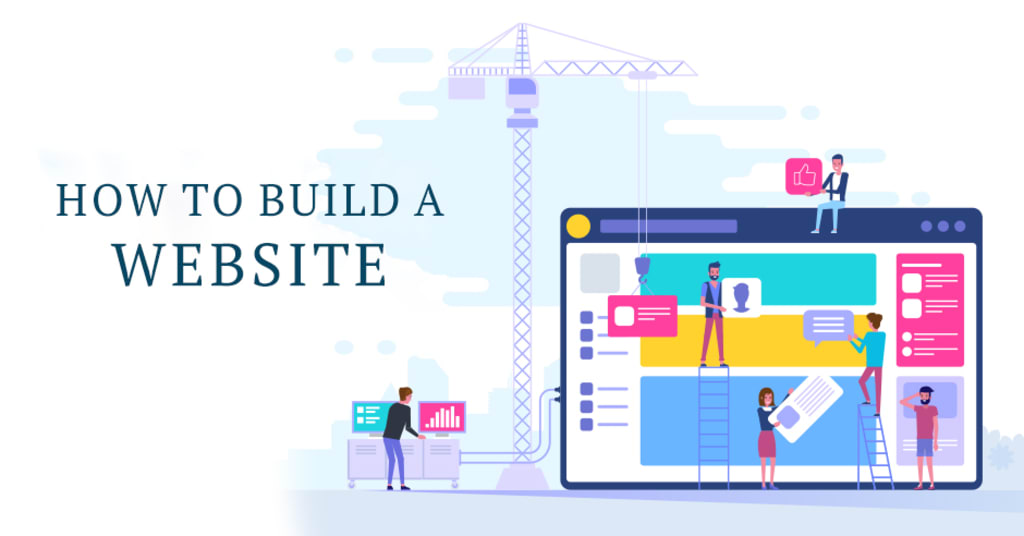
Building a website can be a complex process, but with the right steps and tools, you can create a professional-looking website that meets your needs. Here are the steps you can follow to build a website:
Step 1: Define Your Goals and Objectives
Before you start building a website, it's important to define your goals and objectives. What is the purpose of the website? What do you want to achieve with it? Knowing the answers to these questions will help guide your design and content decisions.
Step 2: Choose Your Platform
There are many platforms and tools available for building websites, each with its own strengths and weaknesses. Popular options include WordPress, Squarespace, Wix, and Shopify. Consider your budget, technical skills, and website requirements when choosing a platform.
Step 3: Select Your Domain Name and Hosting
Your domain name is the address that people use to find your website. Choose a domain name that is easy to remember and relevant to your business or brand. You'll also need a hosting service to store your website files and make them accessible on the internet.
Step 4: Design Your Website
The design of your website is critical for making a good first impression on your visitors. Use a template or hire a designer to create a custom design that reflects your brand and message. Consider the layout, color scheme, typography, and imagery when designing your website.
Step 5: Develop Your Website
Once you have a design, you can start developing your website. If you're using a platform like WordPress, you can use plugins and themes to add functionality and features to your website. If you're building a custom website, you'll need to code it using HTML, CSS, and JavaScript.
Step 6: Add Content to Your Website
The content of your website is what will attract and engage your visitors. Write high-quality, informative content that is relevant to your audience. Use keywords to improve your search engine rankings and include images and videos to make your content more engaging.
Step 7: Optimize Your Website for Search Engines
Search engine optimization (SEO) is the process of optimizing your website to improve its visibility and ranking on search engines like Google. Use keywords in your content, meta descriptions, and title tags, and build backlinks to your website to improve your SEO.
Step 8: Test Your Website
Before launching your website, test it thoroughly to ensure that it works correctly and is free of errors. Test your website on different devices and browsers to make sure it's responsive and works well on all platforms.
Step 9: Launch Your Website
Once you've tested your website and are happy with it, it's time to launch it. Make sure you've registered your domain name and set up hosting before launching your website. Promote your website on social media and other marketing channels to drive traffic and engagement.
Step 10: Maintain Your Website
Building a website is not a one-time process. You'll need to regularly update your website with new content and features to keep it fresh and engaging. Monitor your website's analytics to see how it's performing and make adjustments as needed.
In conclusion, building a website takes time and effort, but by following these steps, you can create a website that meets your needs and goals. Whether you're building a simple blog or a steps for web app, these steps will help guide you through the process.
About the Creator
Keep reading
More stories from teeraj tvisha and writers in Education and other communities.
How to Explore Instagram Hashtags For Likes and Followers
The wave of digital transformation has taken a turn in the way businesses and customers use and view social media. Embracing social media as a crucial business function will bring success to your business. Social media is nothing but a place for discovering and learning more about brands and products. Facebook and Instagram are widely used social media platforms by many users across the globe. However, Instagram has ranked as the top social media platform for excellent user engagement.
By teeraj tvisha3 years ago in Education
The Lean Advantage: How Small Improvements Create Massive Business Wins
In today’s fast-moving market, businesses don’t always need massive overhauls to see major growth. The real competitive advantage often comes from Lean process improvement—small, consistent changes that reduce waste, improve speed, and strengthen customer value. With a proactive approach, companies can spot inefficiencies early, prevent recurring problems, and build smarter systems before minor issues become costly setbacks.
By Duke Valentour7 days ago in Education
Autonomy Is The Real Privilege
Good morning, freedom-seekers! Today we’re gonna be looking at autonomy. A strange word, I know; one many would probably look at blankly and run away from on sight. We’re gonna figure out what it actually means, consider how it’s achieved, and decipher just how deeply most of us are tangled up in dependence without realising it.
By That ‘Freedom’ Guy5 days ago in Humans




Comments
There are no comments for this story
Be the first to respond and start the conversation.