
How NFTs Are Empowering Creators and Artists in the Digital Age
Unlocking New Opportunities: How NFTs Are Revolutionizing the Creative Economy for Artists and Creators

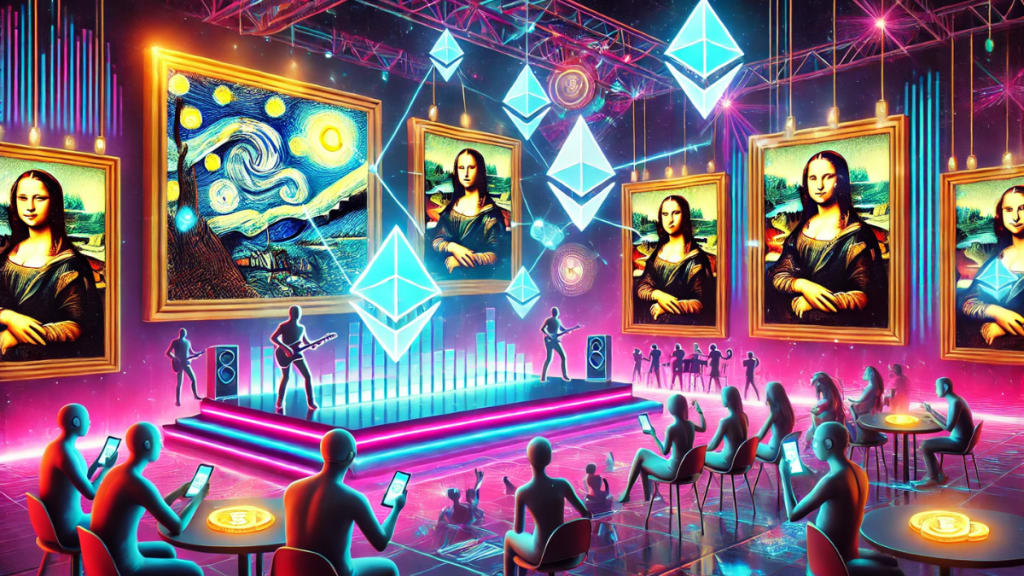
The digital age has ushered in a new era of innovation, transforming how we communicate, interact, and create. One of the most disruptive technologies to emerge in recent years is the Non-Fungible Token (NFT). NFTs have revolutionized digital art and content creation, empowering creators and artists in ways that were once unimaginable. By allowing artists to tokenize their works, sell directly to audiences, and retain more control over their intellectual property, NFTs are opening up new opportunities in the world of art, music, gaming, and more.
This blog delves into how NFTs are empowering creators and artists, the challenges they face, and the transformative potential NFTs hold for the creative industries in the digital age.
What Are NFTs and Why Are They Important to Creators?
Non-fungible tokens (NFTs) are a type of digital asset that represents ownership or proof of authenticity of a unique item or piece of content, typically powered by blockchain technology. Unlike cryptocurrencies such as Bitcoin or Ethereum, which are fungible and can be exchanged on a 1:1 basis, NFTs are unique and cannot be replaced or exchanged for something of equal value.
The key difference lies in their ability to store specific data related to ownership, rarity, and provenance, which makes them ideal for digital creators who want to sell unique, verifiable digital works. Whether it’s digital art, music, virtual real estate, or even tweets, NFTs offer creators an unprecedented opportunity to monetize their work and engage with their audiences in ways that were once impossible in the traditional digital economy.
For artists, this opens up new doors, allowing them to:
Control their work: With NFTs, creators can maintain control over their intellectual property by embedding smart contracts that dictate how their work is sold, resold, or licensed.
Earn royalties: NFTs can be programmed to pay artists a percentage of each subsequent sale, providing a recurring income stream. This is a massive advantage compared to traditional art sales, where artists typically earn a one-time payment.
Reach global audiences: NFT platforms connect creators with a global network of buyers, breaking down geographical barriers and providing exposure to new markets.
The Creative Freedom and Control NFTs Offer
Traditionally, creators have been limited by gatekeepers such as galleries, record labels, and streaming platforms. These intermediaries often take a large percentage of the revenue generated by creators, leaving them with little control over their work. The rise of NFTs has dramatically shifted the balance of power in favor of creators.
NFTs give artists more creative freedom by:
Eliminating intermediaries: With NFTs, creators can sell directly to buyers, bypassing the need for traditional intermediaries. This means that artists can retain a much larger share of the revenue from their sales.
Enabling customization: NFTs allow creators to program their works in a way that reflects their vision. For example, artists can design dynamic, evolving artworks that change over time or embed interactive elements that enhance the viewing experience.
Decentralization: The decentralized nature of blockchain technology means that creators are not reliant on centralized platforms or institutions, giving them more autonomy and reducing the risk of censorship or exploitation.
For example, visual artists can now sell their artwork directly to buyers on NFT marketplaces such as OpenSea, Foundation, or SuperRare, without having to rely on a gallery or auction house to represent them. Musicians can release songs as NFTs and control how they are distributed, allowing them to maintain ownership of their work while earning royalties from every subsequent resale.
The Role of NFTs in Revolutionizing Digital Art
NFTs have had a particularly profound impact on the world of digital art. Before the rise of NFTs, it was difficult for digital artists to sell their work in a way that proved ownership or ensured that their art would retain value. Digital files could easily be copied, leading to concerns about piracy and the lack of a tangible connection between the artist and their creation.
NFTs solve these issues by:
Ensuring authenticity and ownership: When a digital artwork is tokenized as an NFT, it is linked to a unique token that verifies its authenticity. This gives collectors the confidence that they are purchasing a genuine piece of work rather than a copy.
Proving provenance: NFTs record every transaction in a transparent, immutable ledger, meaning that the entire history of the artwork can be traced, providing a verifiable record of ownership.
Increasing scarcity: Unlike traditional digital art, which can be easily duplicated, NFTs allow artists to create limited editions or one-of-a-kind works. This scarcity increases the value of digital art, making it a more attractive investment for collectors.
NFTs have also given rise to new forms of digital art, such as generative art, where algorithms create unique pieces based on parameters set by the artist. Platforms like Art Blocks and Async Art have helped pave the way for these new artistic possibilities.
The New Revenue Streams for Artists
One of the most exciting aspects of NFTs for creators is the ability to earn revenue from their work in ways that were previously impossible. Unlike traditional art forms where creators are limited to one-time sales, NFTs offer multiple avenues for earning income.
Royalties on Resales
NFTs can be programmed with smart contracts that automatically pay the creator a royalty whenever the NFT is resold. This ensures that artists continue to benefit from the appreciation of their work, even after the initial sale. For example, if an artist sells an NFT for $1,000, and the buyer later resells it for $10,000, the artist can earn a percentage of that resale price.
This feature is particularly beneficial for emerging artists who might not initially command high prices for their work. As the value of their work increases over time, they can continue to benefit from the rising demand for their art.
Collaboration and Fractionalization
NFTs also allow for creative collaborations between artists. Multiple creators can work together on a single NFT, with each receiving a share of the proceeds. Furthermore, NFTs can be fractionalized, allowing multiple buyers to own a fraction of an artwork, thus making high-value pieces accessible to a broader audience.
These new ways of monetizing artwork not only empower artists but also democratize access to high-value art, enabling more people to become collectors.
How NFTs Are Impacting Other Creative Industries
While digital art is the most well-known use case for NFTs, the impact of NFTs extends far beyond the art world. The technology is being adopted in other creative industries, including music, fashion, gaming, and even literature.
NFTs in Music
Musicians are using NFTs to revolutionize how they release and monetize their work. Rather than relying on streaming platforms, which often pay artists very little per stream, musicians can sell their songs or albums directly as NFTs. This provides them with a more substantial revenue share and the ability to engage with their fanbase in a deeper, more meaningful way.
For example, artists like Grimes and Kings of Leon have sold NFTs of exclusive music, videos, and concert tickets, allowing fans to access unique content that cannot be found anywhere else.
NFTs in Gaming
NFTs are also transforming the gaming industry. Blockchain-based games such as Axie Infinity and Decentraland use NFTs to represent in-game assets, including characters, skins, and virtual land. These NFTs are tradable, allowing players to buy, sell, and trade items in a decentralized marketplace.
This model creates new opportunities for gamers to earn money by participating in virtual economies, giving them a financial stake in the games they play. It also allows game developers to create more immersive, player-driven ecosystems, where players can have ownership of their in-game assets.
NFTs in Fashion
Fashion brands are also experimenting with NFTs, using them to create digital fashion items or limited-edition clothing that can be worn in virtual spaces like the metaverse. For example, luxury brands like Gucci and Prada have launched NFT collections, allowing collectors to own exclusive virtual items.
In addition to virtual fashion, NFTs can also be used for tokenizing real-world goods, enabling brands to offer limited edition items or proof of authenticity for physical products.
Challenges and Considerations for Creators
Despite the many opportunities NFTs present, there are several challenges and considerations that creators must navigate:
Environmental Impact: NFTs are built on blockchain platforms like Ethereum, which currently rely on energy-intensive proof-of-work consensus mechanisms. This has raised concerns about the environmental impact of NFTs. However, solutions such as Ethereum’s transition to proof-of-stake and the rise of eco-friendly NFT platforms are addressing these concerns.
Market Volatility: The NFT market is still relatively new and highly speculative. Prices can fluctuate wildly, and artists may struggle to sell their work or predict its value.
Intellectual Property Protection: While NFTs offer creators more control over their work, they also raise new questions about intellectual property and copyright enforcement. As the NFT market grows, it’s crucial for creators to understand how to protect their rights and avoid infringement.
The Future of NFTs in the Creative Economy
NFTs are still in their early stages, but their potential to empower creators and artists is immense. As the technology matures, we can expect to see more innovative applications of NFTs in creative industries. The integration of NFTs with other technologies like virtual reality, augmented reality, and artificial intelligence could further enhance the digital experience for both creators and consumers.
In the coming years, NFTs could become the standard for how digital content is created, sold, and consumed, leading to a more transparent, decentralized, and creator-friendly digital economy.
Conclusion
NFTs are empowering creators and artists by giving them more control over their work, providing new revenue streams, and opening up new opportunities for collaboration and innovation. As the NFT space continues to evolve, we can expect more creators to embrace this technology and explore its full potential. Whether it’s through digital art, music, gaming, or other forms of content, NFTs are set to reshape the creative landscape, making it easier than ever for artists to monetize their work and connect with their audiences.
About the Creator
Gabrielle
Blockchain enthusiast and NFT writer dedicated to merging technology with art on decentralized platforms, driving innovation for a creative future. Embracing the potential of digital expression.
Avoiding Common Counterfeit U.S. Coins: Expert Tips from Laura Bennett
Expert Guide to Spotting Fake U.S. Coins I’ve handled tens of thousands of coins in my career, and that moment of doubt—the gut feeling something isn’t right—is something every collector experiences. That feeling isn't a weakness; it's your best line of defense. This guide is your toolkit to turn that doubt into decisive action. I’ll share the same systematic approach I use to separate the real treasures from the clever fakes, so you can build your collection with confidence.
By Laura Bennett5 days ago in Education
How to Succeed at the Benson Directory®
Congratulations and welcome to the Benson Directory® employee #22391! As our newest call handler, you will have the privilege of speaking with dozens of unique and interesting people on a daily basis as well as the opportunity to earn bonuses for high performance. Contained within this handbook you will find a set of ease to follow instructions designed to help you settle in to your new role and begin paving the way to success.
By S. A. Crawfordabout 17 hours ago in Fiction



Comments (1)
Hello, just wanna let you know that according to Vocal's Community Guidelines, we have to choose the AI-Generated tag before publishing when we use AI 😊