
How do everyday choices around lifestyle affect mental health, and how might changes lead to emotional well-being?
Lifestyle affect mental health

Mental health is affected by the complex interplay of biological, psychological, social, and environmental variables. While genetics and life events play a major role, everyday choices regarding lifestyle have a significant impact on emotional well-being. What we eat, the way we sleep, how we stay active, what kinds of relationships we have, and how we handle stress can make us healthier mentally or make us vulnerable to disorders such as anxiety, depression, and burnout. Essentially, while we can't always control things outside of ourselves, we have immense influence over routines in our everyday lives that contribute to our overall mental stability.
Understanding the link between lifestyle and mental health places the individual in control of creating beneficial modifications that strengthen resilience, mood, and cognitive functioning. Changes do not have to be overly complex; small, consistent changes can accumulate over time to create lasting psychological well-being gains.
The Connection Between Lifestyle and Mental Health
Lifestyle refers to the aggregation of daily routines, habits, and behaviors that shape the way we live. It includes diet, exercise, sleep, work-life balance, recreation, relationships, and coping. Research shows that lifestyle impacts brain chemistry, hormone equilibrium, and neural pathways—all at the center of mental health.
For example, bad sleep interferes with neurotransmitters that control mood, and constant stress increases cortisol levels that can lead to anxiety and depression. In contrast, exercise on a regular basis boosts endorphins and serotonin that lead to happiness and alleviate stress. Identifying such connections aids us in realizing why lifestyle change is a critical component of prevention as well as treatment of mental health issues.
Key Lifestyle Elements That Influence Mental Health
1. Nutrition and Diet
The brain is energy-hungry organ, consuming about 20% of the total energy of the body. Adequacy of fuel we provide directly determines mental functioning and emotional regulation. The processed food, added sugar, and trans fatty acid diet has been associated with a high risk of mood disorders. On the other hand, balanced diets comprising whole foods, fruits, vegetables, lean protein sources, and healthy fat stimulate optimal brain function.
Fish, nuts, and seeds' omega-3 fatty acids balance mood-related neurotransmitters.
Complex carbohydrates balance blood sugar levels, preventing mood swings.
Probiotics and gut flora are more and more cited as being crucial, since the gut microbiome influences serotonin production.
The Mediterranean diet, composed of whole grains, olive oil, fish, and vegetables, was found to reduce depression risk.
2. Physical Activity
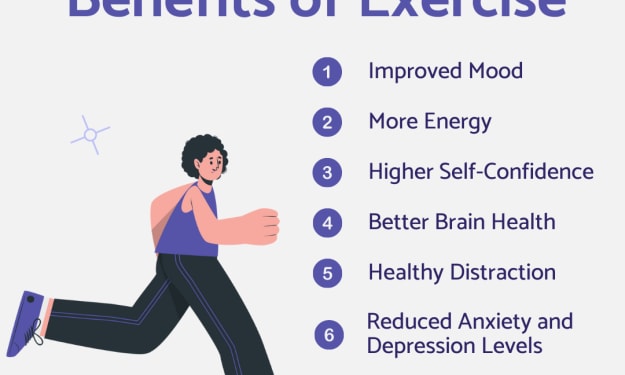
Physical exercise is widely referred to as "nature's antidepressant." A routine workout stimulates endorphins, dopamine, and serotonin, all of which enhance mood and reduce tension. Exercise also suppresses inflammation, increases self-esteem, and provides a sense of accomplishment.
Physical training like walking, running, or cycling reduces depression and anxiety symptoms.
Strength training improves resilience as well as cognitive function.
Tai chi and yoga combine exercise with awareness, reducing stress as well as improving emotional equilibrium.
Even moderate activities, such as 30 minutes of brisk walking five times a week, can make a significant difference.
3. Sleep
Quality sleep is foundational to mental health. During sleep, the brain processes emotions, consolidates memories, and repairs neural connections. Lack of sleep disrupts these functions, increasing irritability, impairing judgment, and heightening vulnerability to anxiety and depression.
Adults typically need 7–9 hours of sleep.
Establishing regular sleep routines (bedtimes and rising times at the same hour daily) supports circadian rhythms.
Sleep hygeine routines—avoiding screens, no caffeine, and keeping the bedroom restful—helps in achieving restorative sleep.
4. Management of Stress
Chronic stress is one of the largest risk factors for unwell mental health. Temporary stress is energizing, but chronic stress produces excessive levels of cortisol that interfere with memory, suppress immunity, and lead to mood disorders.
Successful stress management techniques are:
Mindfulness meditation – maximizes awareness and reduces rumination.
Breathing exercises – calm the nervous system.
Journaling – helps process emotions.
Hobbies – creative or recreational are a positive release.
Development of resilience, the ability to adapt to stress, further promotes long-term mental health.
5. Social Connections
Human beings are social animals. Loneliness and isolation are strongly linked with depression and anxiety, yet strong social support systems are protective against mental illness.
Healthy relationships provide emotional validation, support, and insight.
Volunteering and acts of kindness foster a sense of purpose and belonging.
Boundary creation protects against toxic or draining relationships.
Quality of relationship is often more valuable than quantity—close, supportive relationships are healthier than numerous shallow relationships.
6. Substance Use
Alcohol, nicotine, and other drugs of abuse may relieve stress in the short term but compromise mental health in the long term. Substance use impacts brain chemistry, increases dependence, and increases the risk of diseases like depression and anxiety. Abstention or moderation, as the case may be, is the solution to long-term stability.
7. Digital Balance
During the modern era of digital life, screen time, social media, and online interactions have a large impact on mental health. Although technology offers connection and education, overuse can drive anxiety, stress, and low self-esteem.
Restricting screen use in the evening enhances sleep.
Tailoring social media to minimize negativity or comparison enhances self-esteem.
Offline activities restore balance.
Positive Lifestyle Changes That Support Mental Health
Incorporation of lifestyle change does not entail revamping life overnight. Instead, it entails making incremental, long-term sustainable changes that build up in momentum. Some helpful techniques include:
Start Small – Choose one habit at a time, such as drinking water or going for a daily walk, to avoid feeling overwhelmed.
Set Realistic Goals – Make realistic goals that serve to enhance confidence.
Track Progress – Keep a record through journaling or apps of habits and moods.
Seek Support – Involving family, friends, or professionals makes one accountable.
Celebrate Successes – Give credit to even the smallest success to stay motivated.
Barriers to Lifestyle Change and How to Overcome Them
Even though lifestyle change enhances mental health, people often realize that barriers such as a lack of time, motivation, money, or cultural expectation act as hurdles. The barriers are overcome by:
Time management – Scheduling self-care rather than leaving it as an afterthought.
Task-by-task step-by-step – Changes making less sense.
Seeking cheap substitutes – Home exercises instead of gym memberships, for example.
Expert counsel – Therapists, nutritionists, or mental health professionals can provide personalized advice.
The Role of Professional Support
While lifestyle change is powerful, it cannot replace professional treatment when psychological disorders are severe or chronic. Psychologists, therapists, and psychiatrists can provide directed interventions, medication if necessary, and research-based treatments to complement lifestyle change. In fact, the evidence is that combining professional treatment with healthy lifestyle habits most often yields the best results.
Conclusion
Lifestyle choices are good predictors of mental well-being. Diet, exercise, sleep, stress management, social relationships, and balance between screen time contribute together to build emotional resilience and well-being. Healthy lifestyle patterns not only guard against mental illness but also serve as critical recovery and long-term stability factors.
Changing can seem overwhelming initially, but gradual, persistent steps can make a difference in mental health in the long run. By putting self-care first, creating nourishing relationships, and seeing a professional when necessary, individuals can grow a more healthy and meaningful life.
Mental wellness isn't only about healing illness but also about cultivating everyday habits that build strength, balance, and joy. Everyone has the power to impact their emotional well-being by the decisions they make every day.
For more information, professional advice, and resources on mental wellness and mental health, click:
About the Creator
Keep reading
More stories from Naveen Garg and writers in Education and other communities.
What is the role of resilience in maintaining good mental health, and how is it developed?
Resilience has been described as being capable of "bouncing back" after negative experiences, but in reality, it is much more than that. It is psychological resilience to adapt to stress, adversity, trauma, or significant sources of pressure and to maintain or regain mental well-being. Resilience does not mean avoiding challenges, nor does it mean evading negative emotions. Instead, it is being able to learn to cope with those emotions in a positive way, adjust to new realities, and find positive ways to deal with adversity when challenges do occur. Applied to mental health, resilience acts as a protective factor, reducing vulnerability to disorder such as depression, anxiety, and burnout, and facilitating greater emotional stability, hope, and self-confidence.
By Naveen Garg4 months ago in Education
Avoiding Common Counterfeit U.S. Coins: Expert Tips from Laura Bennett
Expert Guide to Spotting Fake U.S. Coins I’ve handled tens of thousands of coins in my career, and that moment of doubt—the gut feeling something isn’t right—is something every collector experiences. That feeling isn't a weakness; it's your best line of defense. This guide is your toolkit to turn that doubt into decisive action. I’ll share the same systematic approach I use to separate the real treasures from the clever fakes, so you can build your collection with confidence.
By Laura Bennett7 days ago in Education
The Devil's Cut
“Comrade, finally you’re awake.” The voice was smooth, sensual. A flickering incandescent bar was all that lit the white, sterile room. All Vladimir remembered was everything going black. He tried to move his arms and found them strapped to the gurney.
By Matthew J. Fromm5 days ago in Fiction


Comments
There are no comments for this story
Be the first to respond and start the conversation.