
How Basketball Practice Shapes Confident and Effective Team Leaders
Basketball Practice Shapes Confident and Effective


Basketball is widely known for developing athletic ability, but its impact goes much deeper than physical performance. Through structured training and purposeful drills, basketball helps players grow into confident leaders who can think clearly, communicate effectively, and guide others under pressure. Every practice session offers lessons in responsibility, teamwork, and decision-making, all of which are essential qualities of strong leadership.
This article explores how basketball drills contribute to leadership development and why these lessons matter both on and off the court.
The Role of Leadership in Basketball Success
Basketball is a game of constant movement and quick decisions. Players must adapt instantly to changing situations, making leadership a vital component of success. Leaders help maintain focus, organize teammates, and provide direction when challenges arise.
Leadership in basketball is not about dominance or volume. It is about awareness, trust, and consistency. A leader sets the standard through effort, attitude, and execution. Drills that reinforce these behaviors help players understand that leadership is earned through action rather than assigned by title.
Why Basketball Drills Influence Leadership Development
Drills are where habits are formed. Repetition creates confidence, and confidence encourages leadership. When players consistently practice communication, awareness, and accountability, these traits naturally carry over into games.
Effective drills place players in situations that demand problem-solving and cooperation. Players learn to read teammates, anticipate challenges, and respond with purpose. Over time, this environment encourages players to take initiative and support one another, key elements of leadership.
Communication-Focused Training for Team Direction
Clear communication is one of the strongest indicators of leadership in basketball. Drills that require players to speak, listen, and react help eliminate hesitation and build trust.
Defensive drills that emphasize calling out screens, switches, and rotations train players to be vocal and alert. Offensive sets that require verbal cues ensure everyone is aligned and confident in their role.
As players become more comfortable communicating, they are more willing to guide teammates and address issues before they escalate. This ability strengthens team chemistry and performance.
Decision-Making Drills That Build Leadership Confidence
Strong leaders make wise decisions, especially under pressure. Basketball drills that simulate real-game scenarios help players develop this skill.
Limited-dribble drills force players to value ball movement and spacing. Players must quickly evaluate options and choose the option that benefits the team most. Those who consistently make sound decisions earn the respect and trust of teammates.
Late-game realization drills, in which players must execute under time pressure, further develop leadership. These moments teach players to stay calm, communicate clearly, and take responsibility when outcomes matter most.
Accountability-Based Drills That Encourage Ownership
Leadership requires accountability. Players must take responsibility for mistakes, effort, and improvement. Drills that emphasize accountability help players understand the impact of their actions on the team as a whole.
Team-based drills in which errors affect group outcomes encourage players to support and correct one another. Leaders naturally emerge by setting examples and holding teammates to high standards constructively.
Rotating leadership roles during practice also builds accountability. When players are asked to organize drills or lead stretches, they gain confidence and a sense of ownership over the team’s success.
Mental Toughness Developed Through Challenging Training
Mental resilience is a defining trait of effective leaders. Basketball drills that push players beyond comfort levels help develop this strength.
Conditioning drills, combined with skill execution, challenge players to stay focused when fatigued. Leaders distinguish themselves by maintaining composure and encouraging teammates during demanding moments.
Competitive drills teach players how to respond to adversity. Leaders remain positive, adaptable, and focused, even when situations are unfavorable. These experiences prepare players for high-pressure game situations and real-life challenges.
Team-Oriented Drills That Strengthen Trust and Unity
Trust is the foundation of leadership. Players are more willing to follow someone they trust. Team-oriented drills foster this trust by emphasizing cooperation and shared responsibility.
Ball-sharing drills that require multiple passes before scoring reinforce unselfish play. Players learn to value team success over individual recognition.
Defensive drills that emphasize help-side positioning teach players to rely on one another. Leaders stand out by ensuring everyone understands their role and remains engaged throughout the drill.
The Coach’s Influence on Leadership Development
Coaches play a critical role in shaping leadership through practice design and communication. A coach’s approach can either encourage or suppress leadership growth.
Coaches who allow players to make decisions and learn from mistakes create confident leaders. Asking players to explain their choices fosters accountability and understanding.
Recognizing leadership behaviors during practice reinforces their importance. Praising communication, effort, and teamwork sends a message that leadership is valued alongside technical skill.
Leadership Skills That Extend Beyond the Court
The leadership skills developed through basketball training apply far beyond sports. Players learn how to collaborate, manage emotions, and communicate effectively in group settings.
These qualities translate into academic success, professional growth, and stronger relationships. Many former players credit basketball with teaching them how to lead, adapt, and persevere in life.
Basketball becomes a classroom where leadership is practiced daily through action, discipline, and teamwork.
Basketball practice is a powerful platform for developing confident and effective leaders. Through intentional drills, players learn communication, decision-making, accountability, and mental toughness. Leadership is not a natural talent reserved for a few. It is a skill developed through consistent effort and purposeful training.
About the Creator
Jeb Kratzig
Jeb Kratzig is a General Manager with nearly 20 years of retail leadership, known for accountability, trust, and developing teams while driving efficiency.
Portfolio: https://jebkratzig.com
Website: https://jebkratzigca.com
Keep reading
More stories from Jeb Kratzig and writers in Education and other communities.
How Basketball Drills Train Better Decision-Makers
Basketball is more than speed, strength, and shooting skill. At its core, it is a thinking game. Every pass, cut, and shot comes from a choice made in a split second. The best players are not always the fastest or tallest. They are often the smartest decision-makers on the court.
By Jeb Kratzig30 days ago in Education
Earning Money Online Through Freelancing
Earning Money Online Through Freelancing In today’s digital world, earning money online has become easier than ever before. One of the most popular and trusted ways to make money online is through freelancing. Freelancing allows people to work independently, use their skills, and earn income without being tied to a traditional office job. With just a computer, an internet connection, and useful skills, anyone can start freelancing from anywhere in the world.
By Bilal Mohammadiabout 14 hours ago in Education
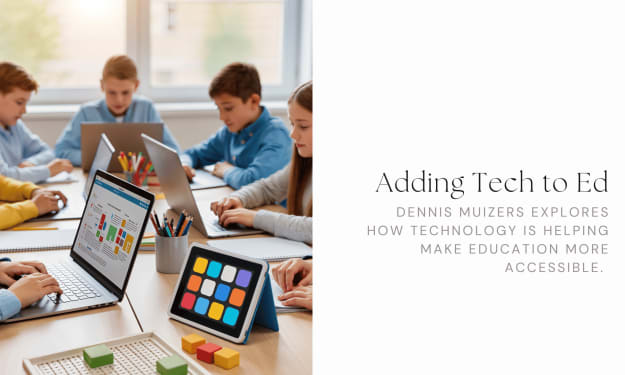
Adding Tech to Ed
Technology is reshaping education in ways that were unimaginable just a generation ago. While access to quality learning was once limited by geography, income, language, or physical ability, digital innovation is steadily removing many of those barriers. Today, technology is not simply enhancing classrooms—it is expanding who education is for, when it happens, and how it is experienced. By increasing flexibility, personalization, and inclusion, technology is making education more accessible to learners of all ages and backgrounds.
By Dennis Muizers Lovejoyabout 10 hours ago in Education



Comments