
Growing Up Pashtun in a Westernized World
Balancing Two Worlds, Finding My True Self
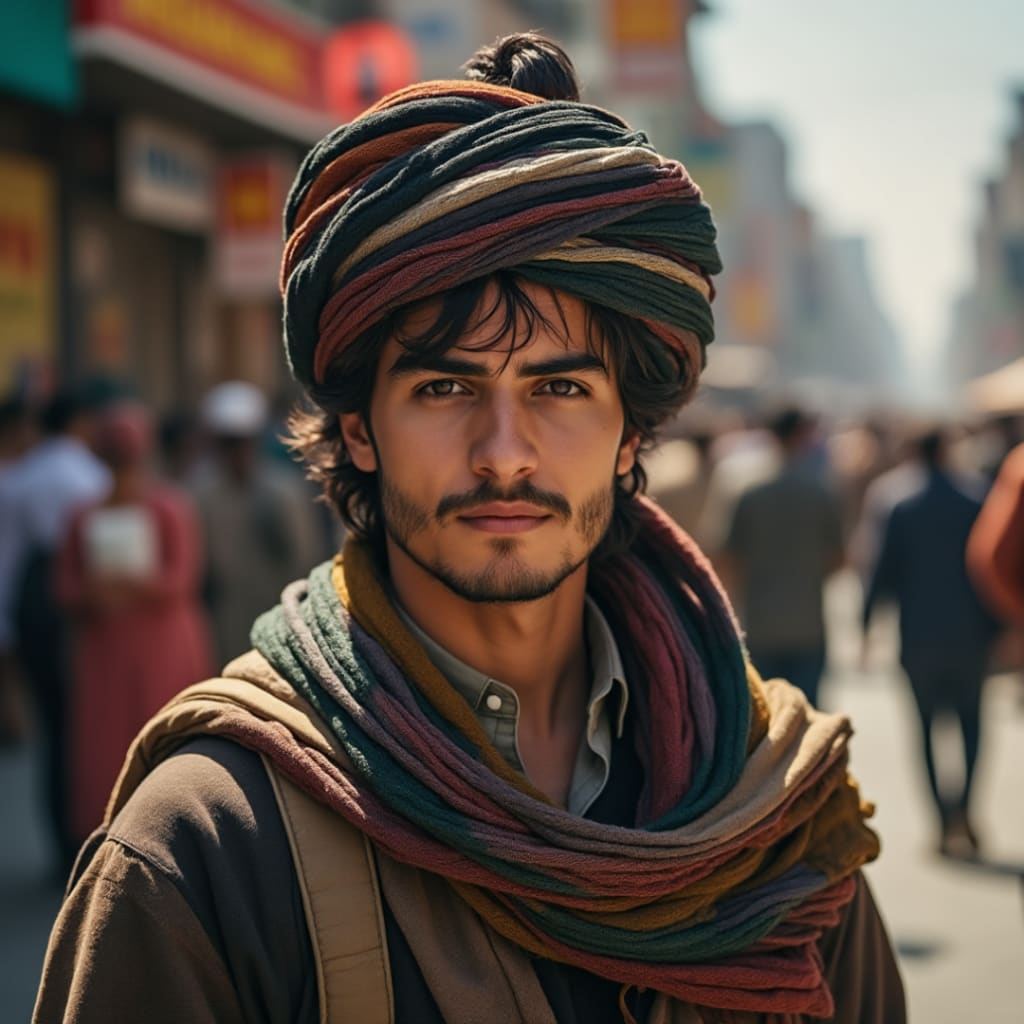
I grew up with a name that teachers couldn’t pronounce, in a home that smelled like cardamom and lamb stew, while outside the world smelled like fast food and sounded like Taylor Swift.
I’m Pashtun — born to a proud, traditional family with deep roots in the tribal belt of Pakistan. But I was raised thousands of miles away, in a western city that celebrated individualism, freedom, and pop culture.
Growing up Pashtun in a westernized world wasn’t easy.
It was confusing, frustrating, and at times isolating — but it also made me resilient, grounded, and proud of who I am.
This is my story of identity, struggle, and self-acceptance.
If you’ve ever felt “in between” two cultures, I hope my journey shows you that you don’t have to choose one — you can be both.
Chapter 1: The Language of Love and Silence
My first language was Pashto. It was what my mother used to soothe me as a baby, and what my father used when telling stories of his childhood in Swat.
But once I stepped outside our front door, English ruled the world.
I remember being five, sitting in kindergarten, completely lost. I didn’t understand the teacher’s words, the cartoons on TV, or the jokes the other kids told.
At home, I was too western for my elders.
Outside, I was too ethnic for my peers.
I was a cultural ghost — visible, but never fully understood.
Chapter 2: Tea, Tarana, and the Tightrope
Pashtun culture is rich — full of poetry, pride, and principles.
We are taught early on about ghairat (honor), wafa (loyalty), and the value of family above all.
At home, we drank green tea, listened to Tappa (traditional songs), and celebrated Eid with dozens of cousins. We respected our elders, dressed modestly, and never dared talk back.
But outside those walls, I had to learn to walk a tightrope.
Say “hi” not “salam.”
Wear jeans, not shalwar kameez.
Smile more, question less.
Don’t talk too much about religion. Don’t talk too little about politics.
Be “different,” but not too different.
It felt like I was constantly editing myself — never the full version.
Chapter 3: Between Shame and Pride
Middle school was the hardest.
That’s when I first started feeling shame for being “too foreign.”
Kids teased my lunch: “What’s that smell?”
They mimicked my parents’ accents.
They asked if I was “from the Taliban” or if we had camels at home.
So I began to hide.
I stopped speaking Pashto in public.
I begged my mom to pack sandwiches instead of biryani.
I laughed at racist jokes just to fit in.
But every time I did, something inside me shrank.
I was trading my culture for comfort — and it never felt worth it.
Chapter 4: The Awakening
Everything changed in high school, thanks to one teacher: Mr. Khan — a Pakistani-American history teacher who wore traditional clothes on Fridays and spoke openly about his identity.
One day after class, I asked him:
“How do you balance both cultures without losing yourself?”
He smiled and said:
“You don’t balance. You blend. You’re not half-Pashtun and half-Western. You’re fully both.”
That sentence rewired my brain.
For the first time, I realized: I’m not broken. I’m layered.
Chapter 5: Reclaiming My Roots
From that day forward, I began a slow and powerful journey of reconnection.
I spoke Pashto with pride — even when people didn’t understand.
I learned about Pashtunwali — our unwritten code of honor, hospitality, and courage.
I read Ghani Khan’s poetry and felt my soul stirred.
I joined cultural clubs, performed Attan (traditional dance), and taught others about our heritage.
Instead of feeling like an outsider, I became an ambassador of identity.
And here’s the beautiful part — people respected it.
The more I embraced who I was, the more respect, curiosity, and connection I attracted.
Chapter 6: Family, Faith, and Freedom
Growing up westernized didn’t mean I rejected my faith or family.
It just meant I learned how to adapt and negotiate.
Yes, I still fast during Ramadan, attend Friday prayers, and value modesty.
But I also speak openly about mental health, chase my creative dreams, and advocate for women’s education.
Being Pashtun doesn’t limit me — it equips me.
It gives me:
The strength of my ancestors.
The discipline of my upbringing.
The depth of a culture older than most countries.
And being raised in the West gave me:
The freedom to ask “Why?”
The right to speak up.
The courage to break toxic traditions without losing my values.
Chapter 7: The Bridge Generation
I now realize — I’m part of the bridge generation.
We carry the weight of two worlds on our shoulders.
But we also carry the power to connect them.
We’re the translators, the peacekeepers, the cultural chameleons.
We can teach our elders about acceptance, and our peers about heritage.
It’s not always easy. There are still moments of conflict:
When I disagree with conservative relatives.
When I feel misunderstood by progressive friends.
When I wonder if I’ll ever fully belong anywhere.
But that’s the beauty of it. I don’t belong to one place.
I belong to both. I am the place where East meets West.
Final Chapter: To Anyone Who Feels Torn Between Cultures
If you’re reading this and you feel too western for your family, and too ethnic for your friends — I see you.
If you’ve ever been ashamed of your food, your accent, your traditions — I’ve been there.
But here’s the truth:
Your culture is your superpower.
Your ability to navigate two worlds is rare, valuable, and deeply needed.
Don’t shrink to fit in.
Don’t erase to be accepted.
Instead, celebrate your complexity.
Wear your name, your heritage, your story — with pride.
Because growing up Pashtun in a westernized world is not a burden.
It’s a blessing in disguise.
Closing Thought:
“The strongest trees have the deepest roots — but they grow in any direction the sun leads.”
You can honor your past and create your future — on your terms.
And in doing so, you give others permission to do the same.
About the Creator
Keep reading
More stories from writers in Education and other communities.
Hosting a Book Fair
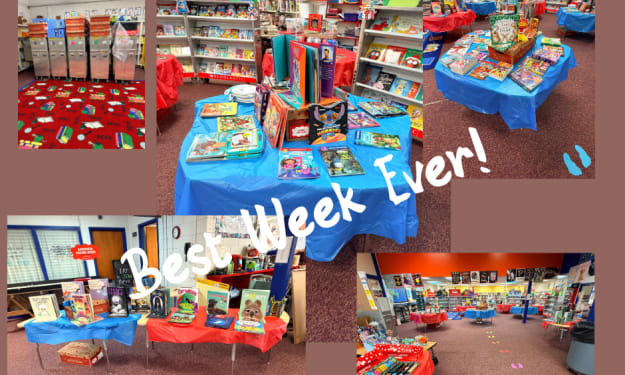
How many of you remember the “best week ever!” from when you were a child? Book fairs were the staple of many of our childhoods with Scholastic leading the way. While there are many choices for book fairs today and I absolutely want to talk about them, that’s going to be a later article.
By Reb Kreyling6 days ago in Education
Communicating with Confidence: Building Trust Through Simplicity
Trust is the cornerstone of any meaningful relationship, whether professional or personal. At the heart of trust lies the ability to communicate clearly. People naturally respond to straightforward, reliable, and easy-to-understand information. Professionals who prioritize clarity establish credibility and foster confidence in others. Clients, colleagues, and partners feel assured that they can make informed decisions when the messages they receive are transparent and well-articulated.
By Stacey Yim4 days ago in Education



Comments
There are no comments for this story
Be the first to respond and start the conversation.