
Global Furniture Trends 2025: What Retailers Should Stock This Year
Emerging Styles, Smart Designs, and Sustainable Choices Shaping Consumer Demand in 2025
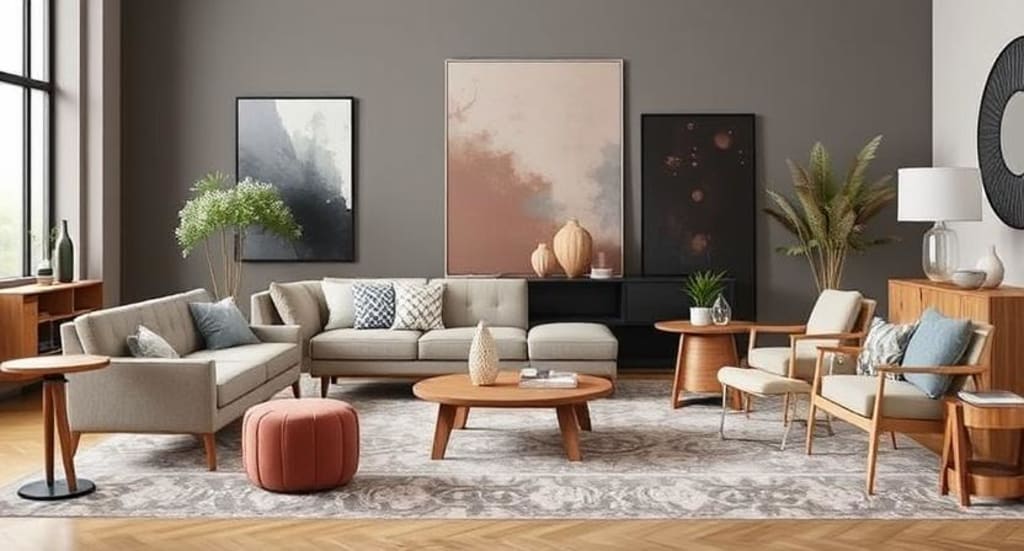
As we settle into 2025, the global furniture landscape is experiencing a major transformation. From sustainability to smart technology, consumer preferences are evolving rapidly. Retailers looking to stay ahead of the curve must pay close attention to these changes in order to meet demand and maintain a competitive edge. Here's a deep dive into the top trends shaping the furniture industry this year—and what smart retailers should be stocking.
1. Sustainable and Eco-Friendly Materials
Sustainability is no longer a niche concern—it’s at the core of consumer expectations. More buyers are looking for furniture that not only looks good but also supports the environment. This includes products made from recycled wood, reclaimed materials, bamboo, and other renewable resources. Additionally, eco-conscious consumers are turning toward pieces manufactured with low-VOC finishes and non-toxic adhesives.
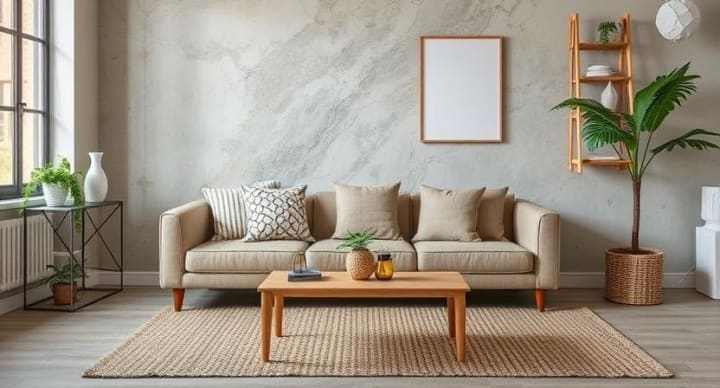
Retailers should focus on partnering with brands that prioritize green manufacturing and responsible sourcing, such as using FSC-certified wood and eco-certified fabrics. Displaying a commitment to sustainability not only appeals to the eco-conscious buyer but also boosts a brand’s reputation in an increasingly responsible marketplace.
2. Smart and Tech-Integrated Furniture
As technology becomes more embedded in everyday life, furniture is following suit. Consumers now expect their furnishings to offer more than comfort—they want functionality that fits a digital lifestyle. Items such as beds with sleep trackers, desks with integrated USB charging, and coffee tables with built-in speakers are rising in popularity.
Retailers should begin incorporating collections that merge tech and design seamlessly. Offering smart furniture caters not only to tech-savvy millennials and Gen Z but also to busy professionals and remote workers who demand connectivity and convenience in every corner of their home.
3. Multifunctional and Modular Designs
With the growing popularity of urban living and the rise of remote work, space-saving furniture is more relevant than ever. Multifunctional and modular furniture is essential in compact apartments and flexible living spaces. Think sofa beds, expandable dining tables, nesting coffee tables, and modular shelving that can be reconfigured as needed.
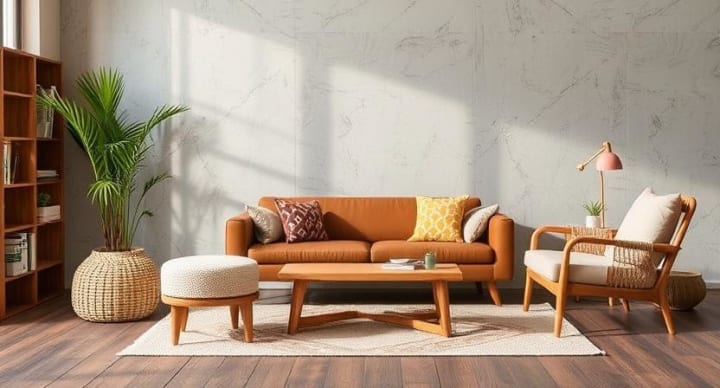
These practical yet stylish solutions are a hit with younger consumers who value both design and utility. Retailers should stock adaptable pieces that offer flexibility without sacrificing aesthetics.
4. Bold Colors and Statement Pieces
While minimalist and neutral palettes dominated for several years, 2025 brings a return to expressive, statement-making design. Vibrant hues such as emerald green, terracotta, navy blue, and burnt orange are making their way into living spaces. At the same time, unique shapes, textures, and materials—like boucle fabric or curved wood—are gaining attention.
Retailers should balance timeless staples with standout accent pieces. A bold-colored armchair or sculptural coffee table can serve as a focal point and reflect a customer’s personality, which is becoming an increasingly important element of home decor.
5. Vintage and Artisanal Craftsmanship
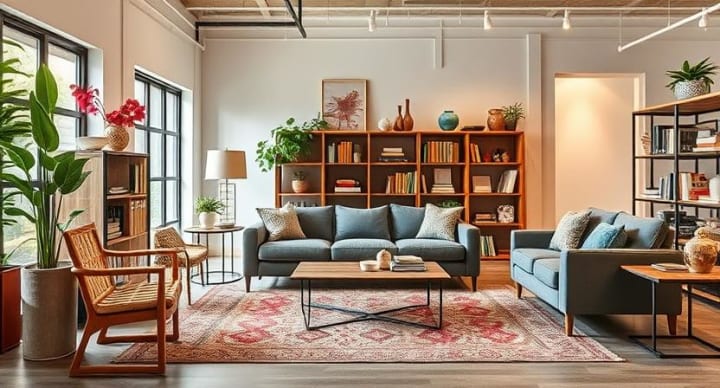
There’s a growing appreciation for craftsmanship, tradition, and authenticity in home design. This year, more customers are drawn to handmade and vintage-inspired pieces that tell a story. Whether it's hand-woven rattan, mid-century modern revivals, or globally inspired decor, furniture that shows character and quality stands out.
Retailers can tap into this trend by sourcing artisanal collections or offering custom or small-batch lines that showcase natural materials and detailed craftsmanship. These items tend to carry a premium price, but they also appeal to discerning buyers looking for quality and individuality.
Conclusion
The global furniture trends of 2025 highlight a shift toward purpose, personalization, and innovation. Retailers who align their inventory with these evolving consumer values—such as sustainability, smart integration, versatility, bold aesthetics, and authenticity—will be best positioned for success. Staying responsive to these trends not only satisfies current demand but also builds long-term brand loyalty in an increasingly design-conscious market.
About the Creator
Keep reading
More stories from Opaa Homes and writers in Education and other communities.
Furniture Restoration: Breathing New Life into Antique Pieces
Antique furniture is more than just functional—it’s a piece of history. Each item tells a story, reflecting the craftsmanship, style, and culture of its time. However, over the years, these treasured pieces can become worn, damaged, or outdated due to everyday use, environmental factors, or neglect. Furniture restoration is an art that involves bringing these pieces back to life, restoring their original beauty and preserving their historical significance. This process not only revives the aesthetics and functionality of antique furniture but also gives it a new lease on life, ensuring it can be enjoyed for many more years.
By Opaa Homes10 months ago in Education
Why Has Standardized Testing Increased In The Last Twenty Years?
Students living in New Jersey took the New Jersey State Learning Assessment-Adaptive and the New Jersey Graduation Proficiency Assessment-Adaptive, as part of a series of field tests administered by the State of New Jersey on October 28-30 and November 3, 2025 to see how the state government can improve testing.
By Katherine Roteman7 days ago in Education



Comments
There are no comments for this story
Be the first to respond and start the conversation.