
Exposure to Artificial Light at Night Linked to Increased Risk of Heart Disease, Study Finds
New Research Reveals How Bright Screens and Indoor Lighting After Dark Disrupt Heart Function and Elevate Cardiovascular Risk

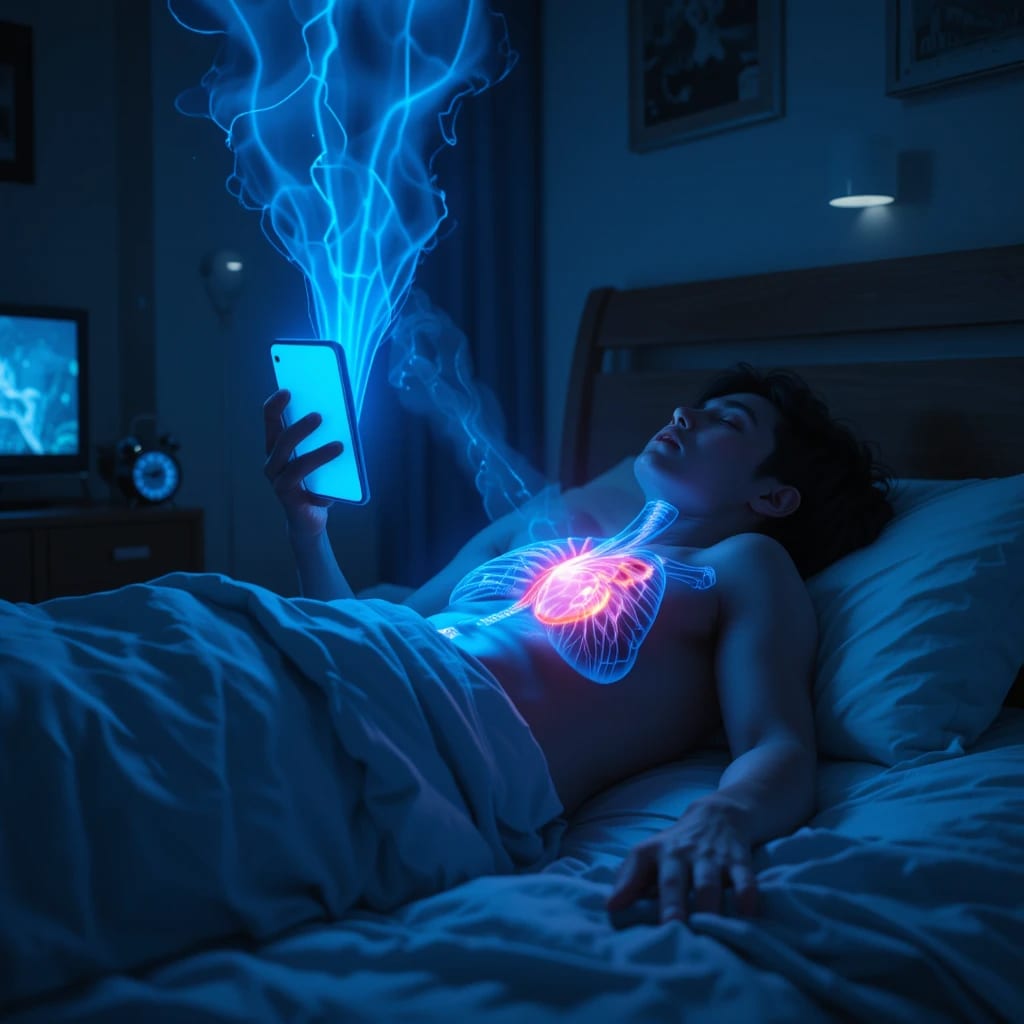
A recent medical study has revealed that spending prolonged periods exposed to artificial light at night could have harmful effects on heart health.
According to health publications reporting on the findings, people who routinely remain in brightly lit environments during nighttime hours face a heightened risk of developing a range of cardiovascular diseases.
This research was conducted by the Flinders Health and Medical Research Institute in Australia, where scientists set out to explore how exposure to artificial light during nighttime hours impacts the body’s natural rhythms and heart function.
How Artificial Light Disrupts the Body
Experts explain that the human body is governed by an internal clock known as the circadian rhythm. This biological system helps regulate sleep, heart rate, blood pressure, hormone release, and numerous other physiological processes.
When individuals spend long hours under bright artificial light—from mobile phones, televisions, computer screens, or strong overhead bulbs—especially late into the night, this circadian system becomes disrupted. The result is a cascade of imbalances in heart function and other essential bodily processes.
Not Just About Lost Sleep
The researchers emphasized that the increased cardiovascular risks are not simply due to lack of sleep. Even after accounting for other factors—such as sleep duration, diet, exercise habits, smoking, and body weight—the direct impact of artificial nighttime light exposure remained significant.
In the study, participants who reported higher levels of nighttime light exposure showed higher incidences of:
Coronary artery disease
Heart attacks
Irregular heartbeat (arrhythmia)
Strokes
These associations persisted even after controlling for known heart disease risk factors, suggesting that artificial light itself plays a unique and damaging role.
Women and Young People Especially Vulnerable
One of the most striking findings was that the negative health effects were more pronounced in certain groups. Among women, the risk of developing serious cardiovascular conditions and even heart failure was particularly elevated. In younger individuals, researchers observed a higher likelihood of developing arrhythmias—irregular heartbeats that can sometimes lead to serious complications.
Why Light at Night Is So Harmful
Exposure to artificial light after dark interferes with the natural release of melatonin, a hormone that signals to the body that it is time to sleep. When melatonin production is suppressed, it leads not only to disturbed sleep but also to increased stress on the cardiovascular system. Over time, this stress can contribute to chronic inflammation, higher blood pressure, and damage to blood vessels.
In modern societies, the problem is growing. Many people use smartphones or watch television late into the night, often in brightly lit rooms. Combined with round-the-clock work schedules and pervasive screen use, nighttime artificial lighting has become an almost constant part of daily life.
What Can Be Done to Protect Heart Health?
Fortunately, experts say there are simple, practical steps people can take to protect their heart health without giving up technology entirely:
1. Reduce Bright Lighting: Use soft, dim lighting in bedrooms and living areas in the evening hours.
2. Limit Screen Time: Avoid using smartphones, tablets, and televisions for at least one hour before bedtime.
3. Use Night Mode: Many devices now have “night mode” or “blue light filter” settings that reduce the most disruptive wavelengths of light.
4. Create a Consistent Sleep Schedule: Going to bed and waking up at the same time each day helps maintain a healthy circadian rhythm.
5. Install Blackout Curtains: Reducing outdoor light pollution (like streetlights) entering the bedroom can also improve sleep quality and reduce health risks.
A Broader Public Health Concern
Researchers warn that as cities become more illuminated and people increasingly rely on electronic devices, artificial nighttime light exposure will remain an underappreciated but significant public health concern.
The lead author of the study commented:
> “We are living in a time where technology and convenience often come at the expense of our biology. It is critical for individuals and policymakers alike to recognize the unintended health consequences of excessive artificial light, particularly at night.”
Public health advocates argue that raising awareness about this issue is essential. Just as campaigns have educated people about the dangers of smoking or poor diet, more outreach is needed to inform communities about the cardiovascular and metabolic effects of excessive light exposure.
Conclusion
This research adds to a growing body of evidence showing that artificial light at night is more than a minor inconvenience—it is a significant factor influencing heart health. As technology continues to evolve, experts say finding a balance between modern conveniences and biological needs will be crucial to maintaining well-being.
Limiting bright screens, using softer lighting in the evening, and being mindful of circadian rhythms are simple but powerful measures anyone can adopt to safeguard their heart health.
About the Creator
Earning Money Online Through Freelancing
Earning Money Online Through Freelancing In today’s digital world, earning money online has become easier than ever before. One of the most popular and trusted ways to make money online is through freelancing. Freelancing allows people to work independently, use their skills, and earn income without being tied to a traditional office job. With just a computer, an internet connection, and useful skills, anyone can start freelancing from anywhere in the world.
By Bilal Mohammadi2 days ago in Education
Adding Tech to Ed
Technology is reshaping education in ways that were unimaginable just a generation ago. While access to quality learning was once limited by geography, income, language, or physical ability, digital innovation is steadily removing many of those barriers. Today, technology is not simply enhancing classrooms—it is expanding who education is for, when it happens, and how it is experienced. By increasing flexibility, personalization, and inclusion, technology is making education more accessible to learners of all ages and backgrounds.
By Dennis Muizers Lovejoy2 days ago in Education




Comments
There are no comments for this story
Be the first to respond and start the conversation.