
DON’T BE DRASTIC, STOP USING PLASTICS
By refusing to be drastic and stopping the use of plastic, we can protect our environment, preserve natural resources, and secure a healthier future for generations to come.

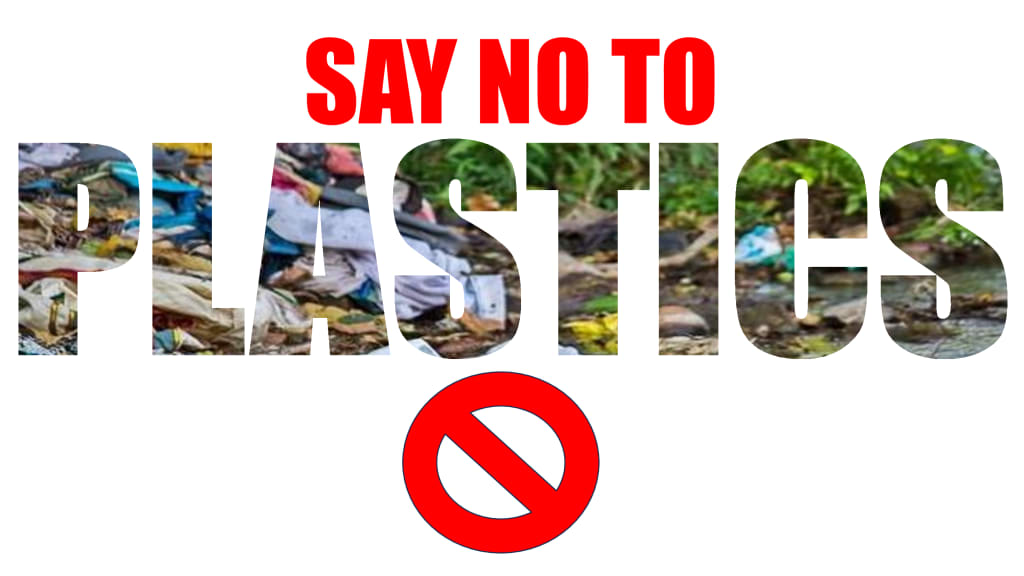
Introduction:
Plastic, once hailed as a remarkable invention, has now become a significant environmental menace. Its widespread use has led to devastating consequences for our planet. The alarming levels of plastic pollution, especially in our oceans and landfills, demand immediate action. To mitigate this crisis, it is essential for individuals, communities, and governments to recognize the urgency and adopt sustainable alternatives. By refusing to be drastic and stopping the use of plastic, we can protect our environment, preserve natural resources, and secure a healthier future for generations to come.
Environmental Impact:
Plastic pollution poses a grave threat to the environment. The production and disposal of plastic items release harmful greenhouse gases, contributing to climate change. Moreover, plastic waste often finds its way into our oceans, harming marine life and disrupting fragile ecosystems. Sea turtles mistake plastic bags for jellyfish, leading to their suffocation, and countless birds and fish suffer the consequences of ingesting microplastics. By reducing our reliance on plastic, we can curb pollution, protect biodiversity, and restore the delicate balance of our ecosystems.
Depletion of Natural Resources:
The manufacture of plastic necessitates the extraction and consumption of finite natural resources. Oil, a primary ingredient in plastic production, is a non-renewable resource that should be conserved for essential applications. By reducing our plastic consumption, we can alleviate the strain on these resources and promote sustainability. Embracing alternatives like biodegradable materials, recycled products, and reusable items not only minimizes resource depletion but also fosters a more circular economy, reducing waste and conserving energy.
Human Health Concerns:
The detrimental effects of plastic extend beyond the environment; they also pose risks to human health. Plastics often contain toxic chemicals such as bisphenol A (BPA) and phthalates, which can leach into food and beverages, potentially causing hormonal disruptions and other health issues. By opting for plastic-free alternatives, we safeguard our well-being and that of future generations. Encouraging the use of sustainable materials in food packaging, personal care products, and household items can significantly reduce exposure to harmful substances, promoting a healthier lifestyle for all.
The Power of Individual Actions:
While plastic pollution may seem like an overwhelming problem, every individual's choices can make a difference. By being mindful consumers and making conscious decisions to reduce plastic consumption, we can collectively drive change. Simple actions like carrying reusable bags, water bottles, and coffee cups, as well as opting for unpackaged or bulk items, can significantly reduce our reliance on single-use plastics. Additionally, supporting businesses that prioritize sustainable packaging and advocating for stricter regulations on plastic production and waste management can accelerate the transition to a plastic-free future.
Conclusion:
To address the plastic pollution crisis, we must prioritize sustainability over convenience. By adopting a mindful approach and saying "no" to single-use plastics, we can protect our environment, conserve precious resources, and safeguard human health. Whether it's choosing reusable alternatives, promoting recycling and waste management, or supporting businesses that embrace sustainable practices, each of us has the power to contribute to a cleaner, greener planet. By collectively embracing the motto "Don't be drastic, stop using plastic," we pave the way for a brighter future, where nature thrives, and future generations inherit a healthier, more sustainable world.
About the Creator
Manas Ranjan Maharana
CONTINUING MASTERS DEGREE IN ENVIRONMENTAL SCIENCE AT FAKIR MOHAN UNIVERSITY, NUPADHI, BALASORE, ODISHA, INDIA.
LOVES THE ENVIRONMENT AND CONCERNING PEOPLE ABOUT PRESERVING AND PROTECTING THE NATURAL ENVIRONMENT.
Reader insights
Nice work
Very well written. Keep up the good work!
Top insight
Excellent storytelling
Original narrative & well developed characters
Keep reading
More stories from Manas Ranjan Maharana and writers in Education and other communities.
IMPORTANCE OF OZONE(O3) IN DAY TO DAY LIFE
Ozone is an odorless, colorless gas made up of three oxygen molecules (O3) and is a natural part of the environment. It occurs both in the Earth's upper atmosphere, or stratosphere, and at ground level in the lower atmosphere, or troposphere. Ozone is formed when heat and sunlight cause chemical reactions between oxides of nitrogen (NOX ) and Volatile Organic Compounds (VOC), which are also known as Hydrocarbons. Ozone is an inorganic molecule, with a pale blue gas with a distinctively pungent smell. Often called photochemical "smog," ozone is harmful to breathe. Ozone aggressively attacks lung tissue by reacting chemically with it. When ozone is present, there are other harmful pollutants created by the same processes that make ozone. The name ozone derives from ozein, the Greek neuter present participle for smell, referring to ozone's distinctive smell.
By Manas Ranjan Maharana2 years ago in Earth
How Much Does It Cost to Copy a Key at Walmart?
If you've ever found yourself locked out of your house or needing a duplicate key for convenience, you might have considered heading to your local Walmart. Known for its one-stop shop experience, Walmart offers a variety of services beyond groceries and household items, including key duplication
By Master Binz6 days ago in Education
Buffalo Nickels: How to Decipher Worn Dates and Identify Valuable Full Horn Specimens
For over eight years as a Senior Numismatic Analyst, I have seen no coin humble a new collector quite like the Buffalo Nickel. Minted from 1913 to 1938, its design by James Earle Fraser is a masterpiece of American art—but also one of the most notoriously problematic for identification. The date, positioned on a raised area of the design, wears away with astonishing speed in circulation. This has created a vast sea of "dateless" Buffalo Nickels, hiding a few key-date treasures within. Furthermore, the high points of the design, particularly the bison's horn, serve as the ultimate test of a coin's condition and value. This guide will give you the techniques to read those worn dates and teach you why finding a "Full Horn" specimen is a collector's triumph.
By Laura Bennett4 days ago in Education




Comments
There are no comments for this story
Be the first to respond and start the conversation.