
IMPORTANCE OF OZONE(O3) IN DAY TO DAY LIFE
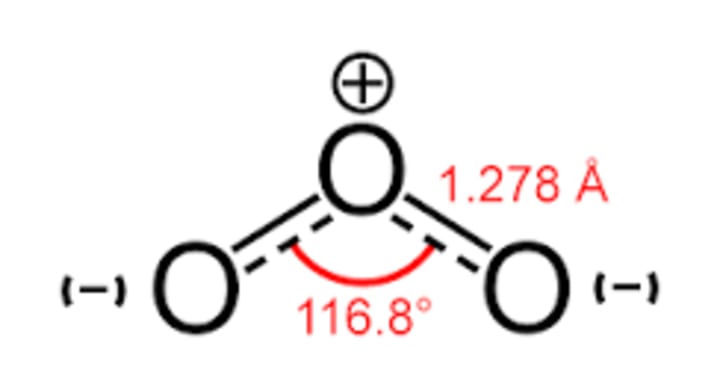
Ozone is an odorless, colorless gas made up of three free oxygen molecules(O3) and is a natural part of the environment. It is an inorganic molecule, with a pale blue gas with a distinctively pungent smell.


Ozone is an odorless, colorless gas made up of three oxygen molecules (O3) and is a natural part of the environment. It occurs both in the Earth's upper atmosphere, or stratosphere, and at ground level in the lower atmosphere, or troposphere. Ozone is formed when heat and sunlight cause chemical reactions between oxides of nitrogen (NOX ) and Volatile Organic Compounds (VOC), which are also known as Hydrocarbons. Ozone is an inorganic molecule, with a pale blue gas with a distinctively pungent smell. Often called photochemical "smog," ozone is harmful to breathe. Ozone aggressively attacks lung tissue by reacting chemically with it. When ozone is present, there are other harmful pollutants created by the same processes that make ozone. The name ozone derives from ozein, the Greek neuter present participle for smell, referring to ozone's distinctive smell.
WHY OZONE IS IMPORTANT TO US?
1. Shielding from Harmful Ultraviolet (UV) Radiation
The most well-known aspect of ozone's importance is its role in protecting us from harmful ultraviolet (UV) radiation. Ozone in the Earth's stratosphere forms the ozone layer, a shield that absorbs and scatters the majority of the sun's high-energy UV rays. Without this protective layer, these rays would reach the Earth's surface in much greater intensity, causing severe damage to living organisms.
Excessive UV radiation exposure can lead to various health problems in humans, including skin cancer, cataracts, and weakened immune responses. The ozone layer acts as nature's sunscreen, preventing these harmful effects and ensuring that life on Earth can thrive. This vital function of ozone underscores the critical need to preserve and restore the ozone layer, as evidenced by international agreements like the Montreal Protocol.
2. Atmospheric Chemistry and Climate
Ozone plays a pivotal role in atmospheric chemistry and climate dynamics. In the lower atmosphere, known as the troposphere, ozone is a secondary pollutant formed by chemical reactions involving volatile organic compounds (VOCs) and nitrogen oxides (NOx) in the presence of sunlight. Ground-level ozone, a major component of smog, can have adverse effects on human respiratory health and overall well-being. Its presence in the troposphere underscores the importance of monitoring and regulating air quality to mitigate the impacts of this harmful pollutant.
Moreover, ozone is a greenhouse gas, contributing to the Earth's radiative balance and influencing the planet's climate. Stratospheric ozone depletion and changes in tropospheric ozone levels can have significant implications for global climate change. Studying these interactions and their consequences is essential for understanding and addressing the complex challenges of climate change.
3. Environmental Indicator
Ozone serves as an invaluable environmental indicator. Monitoring ozone levels provides crucial insights into air quality, pollution levels, and even climate conditions. High concentrations of ground-level ozone can indicate poor air quality and the presence of other harmful pollutants, making it an essential tool for assessing and addressing environmental issues.
Changes in stratospheric ozone concentrations also serve as a barometer for understanding human impacts on the environment. The discovery of the ozone hole in the 1980s served as a stark warning about the consequences of human activities, particularly the release of ozone-depleting substances. The subsequent international response, as exemplified by the Montreal Protocol, demonstrates how scientific understanding and global cooperation can effectively address environmental challenges.
4. Industrial and Medical Applications
Beyond its role in the atmosphere, ozone finds numerous applications in industry and medicine. Ozone's strong oxidative properties make it a potent disinfectant and sanitizer. It is used for water treatment and purification, effectively eliminating bacteria, viruses, and other contaminants. Ozone also plays a crucial role in air purification and sterilization processes, contributing to safer healthcare practices and ensuring the quality of various industrial products.
In medicine, ozone therapy is utilized for its potential therapeutic benefits. Ozone therapy involves the controlled administration of ozone for medical purposes, such as pain management and wound healing. While further research is needed to fully understand its efficacy and safety, ozone therapy represents a promising area of medical innovation.
5. Global Cooperation and Policy
The global response to ozone depletion serves as a testament to the significance of this issue. The Montreal Protocol, adopted in 1987, is an international treaty aimed at phasing out the production and consumption of ozone-depleting substances, such as chlorofluorocarbons (CFCs) and halons. This landmark agreement demonstrates the power of international cooperation and scientific consensus in addressing environmental challenges.
Ozone depletion and its potential consequences were recognized as a global problem requiring concerted action. The success of the Montreal Protocol in reducing ozone-depleting substances and allowing for the gradual recovery of the ozone layer highlights the importance of science-based policies and the collective commitment of nations to protect the environment and human health.
6. Ongoing Challenges and Future Prospects
While significant progress has been made in addressing ozone-related challenges, several issues remain on the horizon. The continued monitoring and protection of the ozone layer are essential, as stratospheric ozone depletion and recovery processes are complex and subject to variability. The management of ground-level ozone pollution, especially in urban areas, is an ongoing concern, requiring coordinated efforts to reduce emissions of VOCs and NOx.
Additionally, as our understanding of ozone's role in atmospheric chemistry and climate continues to evolve, further research is needed to assess the long-term implications of changes in ozone concentrations and their effects on global climate patterns.
In conclusion, ozone's importance to human beings cannot be overstated. It safeguards us from harmful UV radiation, influences atmospheric chemistry and climate, serves as an environmental indicator, finds applications in industry and medicine, and underscores the importance of global cooperation and policy in addressing environmental challenges. As we face the ongoing complexities of environmental issues and climate change, the preservation and responsible management of ozone remain central to our efforts to protect the environment and human health for generations to come.
About the Creator
Manas Ranjan Maharana
CONTINUING MASTERS DEGREE IN ENVIRONMENTAL SCIENCE AT FAKIR MOHAN UNIVERSITY, NUPADHI, BALASORE, ODISHA, INDIA.
LOVES THE ENVIRONMENT AND CONCERNING PEOPLE ABOUT PRESERVING AND PROTECTING THE NATURAL ENVIRONMENT.
Keep reading
More stories from Manas Ranjan Maharana and writers in Earth and other communities.
DON’T BE DRASTIC, STOP USING PLASTICS
Introduction: Plastic, once hailed as a remarkable invention, has now become a significant environmental menace. Its widespread use has led to devastating consequences for our planet. The alarming levels of plastic pollution, especially in our oceans and landfills, demand immediate action. To mitigate this crisis, it is essential for individuals, communities, and governments to recognize the urgency and adopt sustainable alternatives. By refusing to be drastic and stopping the use of plastic, we can protect our environment, preserve natural resources, and secure a healthier future for generations to come.
By Manas Ranjan Maharana3 years ago in Education
Council Pledges Commitment to UN Children’s Rights
A local council has announced a renewed commitment to upholding the United Nations Convention on the Rights of the Child (UNCRC), signaling a stronger focus on child welfare, protection, and participation in policy decision-making. The pledge reflects a growing international trend in which local governments are taking active roles in implementing global human rights frameworks at the community level.
By Aarif Lashari4 days ago in Earth
Our Song
Evening has given way to night. Gently, I settle next to you on the comfortable, old love seat and reach for your hand. You snatch it away, again. It cuts me to the quick, but I hide the pain, understanding that the reaction is but part of your demented state. Since the accident, your presence here in our cozy home has been clouded by a haze I can't see. Nevertheless, I feel the frigidity of your expressions and it serves as an excruciating reminder of the immeasurable distance between us.
By Dana Crandell3 days ago in Fiction


Comments
There are no comments for this story
Be the first to respond and start the conversation.