
Digital Twins for Urban Planning and Infrastructure Development
A Game-Changing Approach

Key Highlights
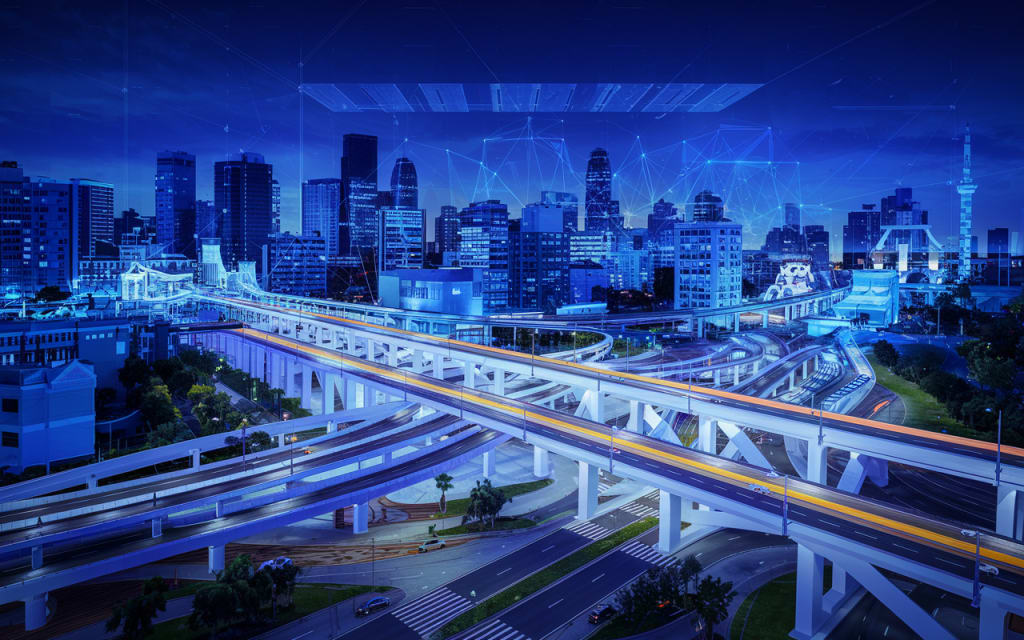
- Digital twins are revolutionizing urban planning by creating virtual replicas of cities, aiding in smarter resource allocation and infrastructure management.
- By leveraging real-time data, cities can address issues like traffic congestion, air quality, and public safety more effectively.
- Digital twins empower city officials to model the impact of urban development projects, optimizing designs for sustainability and citizen well-being.
- Case studies from cities like Singapore and New York City demonstrate the tangible benefits of digital twins in improving urban life.
- Despite challenges like data integration and privacy concerns, the future of urban planning is intricately linked with the potential of digital twins.
Introduction
The way we plan cities is changing a lot because of new technologies. One of these technologies is digital twins, which are really changing the game. They help us tackle the challenges of today's cities in a whole new way. This article looks at how digital twins can change urban planning.
We will see how they affect city management, building infrastructure, and getting people involved. As cities aim to be smarter and more sustainable, digital twins will be important in creating the urban environments of the future.
Understanding Digital Twins in Urban Planning

Imagine a virtual copy of your city. It shows every street, building, and park just like they are in real life. Now, think about this digital model using live data from sensors, cameras, and public databases. This is what digital twin technology can do for urban environments.
These smart digital copies help city planners and managers see, study, and work with the city's complex systems in new ways. By combining data from different sources, digital twins give a complete view of the city. This allows for making decisions based on data. It helps in creating solutions that meet the specific needs and problems of the city.
Defining Digital Twins and Their Role in Cities
In simple terms, digital twins are virtual copies of cities. They mimic real buildings, systems, and processes in a lively digital space. Unlike fixed 3D models, they use real-time data on things like traffic flow, air quality, and energy consumption.

These virtual copies give city officials great insights into how cities work. They can see how changes in infrastructure affect the city, predict future problems, and improve resource management strategies. Additionally, digital twins help cities be more sustainable. They allow cities to study environmental conditions and find ways to create a greener future.
The Evolution of Digital Twins from Concept to Urban Integration
The idea of digital twins has been around for some time. However, their use in urban planning is a newer trend. This change has been supported by the quick growth of digital transformation efforts and the rise of smart city technologies.
As cities use more data to help with urban development, digital twins have become essential tools. They help solve complicated problems in cities. Digital twins can combine data from many sources, like Internet of Things (IoT) networks. This skill helps improve how cities run, upgrade public services, and increase the quality of life for city residents.
The Impact of Digital Twins on City Management

Digital twins are changing how cities are run. They give a main space for looking at data and making decisions. For example, a city manager can see how a new bus route will affect traffic flow. They can also guess how the power grid will handle a heat wave.
This way of managing is what digital twins allow. By using information from different city departments and outside sources, cities can go from fixing problems after they happen to predicting issues and making decisions based on data.
Enhancing Real-Time Data Analysis for Urban Development
The real strength of digital twins is in using real-time data for better city development. They work with sensors and IoT devices throughout the city. This creates a detailed and lively picture of the urban area.
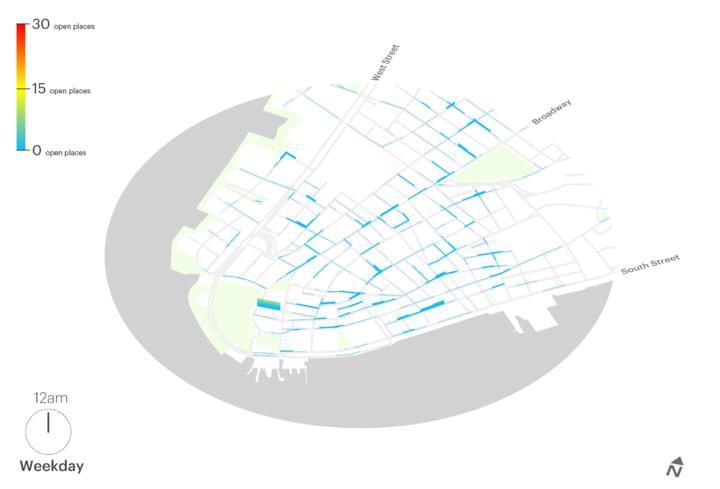
With this constant data flow, city planners can check important indicators, find areas that need attention, and react quickly to new challenges. Here’s how:
- Traffic Flow Optimization: Looking at traffic patterns to ease congestion and make traffic flow better.
- Environmental Monitoring: Watching air quality, noise levels, and other factors to help with sustainable urban development.
- Public Safety Enhancement: Foreseeing and reducing potential safety risks by spotting high-crime areas or testing emergency situations.
Streamlining Infrastructure and Public Service Management
Maintaining a city's infrastructure and providing good public services is a big job. Digital twins help by providing a clear platform for managing infrastructure and improving public services.
City planners can use digital twins to keep an eye on the condition of critical infrastructure like bridges, roads, and pipelines. This helps with predictive maintenance. It can save money on repairs and helps keep important assets working for a long time.
Digital twins are also great for improving resource allocation in public services, such as waste management, water distribution, and energy use. By simulating different scenarios, cities can find better ways to use resources and lessen their impact on the environment.
Case Studies: Success Stories of Digital Twins in Urban Planning

The idea of using digital twins in urban planning is no longer a futuristic thought. Today, many cities are experiencing real benefits from it.
For example, Singapore has a detailed city-wide digital twin. New York City also uses this technology to improve its complex transportation system.
These cases highlight how effective digital twins are in solving different urban problems.

Revitalizing Downtown Areas through Digital Simulation
Imagine a city with a struggling downtown area. It's having a hard time getting new businesses and residents. Digital twins can help. They let city planners see how urban development projects might work before anything is built.
By making a digital copy of the downtown area, planners can try out different ideas to improve it. They can see how new parks, public services, and walking areas will affect foot traffic, business earnings, and the overall quality of life. This helps them make better choices for urban renewal projects, so these projects have a bigger and better impact.
Improving Disaster Response and Preparedness with Virtual Models
When disaster strikes, every second counts. Digital twins play a vital role in disaster preparedness and response by enabling city officials to simulate the impact of natural disasters and other emergency situations.
By modeling various scenarios, such as hurricanes, floods, or earthquakes, cities can identify vulnerable areas, optimize evacuation routes, and pre-position emergency resources.
This proactive approach can significantly improve response times, minimize damage, and ultimately save lives. For instance, a city prone to flooding could use its digital twin to model the flow of water during a storm surge, enabling them to reinforce drainage systems or strategically position emergency shelters.

Conclusion
Digital twins are changing how we plan our cities. They provide a simple and clear way to manage urban areas. With real-time data, digital twins help make infrastructure better and more efficient. This software offers strong solutions for developing sustainable cities. Successful examples show how downtown areas have been restored and disaster response has improved. We can clearly see how helpful digital twins can be.
Even though there are challenges with using this technology, the advantages are clear. Using digital twins can improve operations and make public services better. This leads to smarter and more resilient cities.
Share this important information on social media to help others learn about the positive effects of digital twins in urban planning.
Frequently Asked Questions
How Do Digital Twins Contribute to Sustainable Urban Development?
Digital twins help make the world more sustainable. They do this by improving how resources are used, showing the value of green spaces, and addressing environmental problems. These digital models look at traffic congestion, how much energy is used, and pollution levels. This way, cities can use data to make choices that support a cleaner and greener future.
Can Digital Twins Reduce the Cost of Urban Projects?
Digital twins use sensors, simulations, and AI analysis to make things better. They help manage resources well, cut down on waste, and prevent expensive errors. This ends up saving money for infrastructure projects. It also helps make urban planning smarter and more budget-friendly.
What are the Challenges in Implementing Digital Twins in Urban Planning?
Implementing digital twins has some challenges. One challenge is making sure data from different platforms connects well. Another is dealing with privacy concerns about data collection. To overcome these issues, city officials, technology providers, and citizens need to work together. This teamwork is important for making sure the implementation is responsible and effective.
Further Reading
- How is Digital Twin Technology Transforming Facility Management?
- How 3D Building Scanning is Transforming the Real Estate Industry?
- As Built Services - Transform Plans with Precision
- Scan to BIM Vs Traditional Documentation Methodologies
About the Creator
Matt Sharon
A professional content writer. Having years of experience in Technology, health, finance, and construction and real estate field. Writing is my passion and I love to play with words Confidently.
Keep reading
More stories from Matt Sharon and writers in Education and other communities.
Role of AI in MEP Engineering - Transforming Tomorrow
Think about walking into a building that knows exactly what you need before you do - adjusting temperature, lighting, and ventilation automatically. This isn't from a sci-fi movie - it's happening right now in modern MEP (Mechanical, Electrical, and Plumbing) engineering, thanks to artificial intelligence. We're witnessing a remarkable shift in how buildings operate, as AI transforms the way we design, build, and maintain these complex systems.
By Matt Sharonabout a year ago in Education
Domestic Service
Good morning, today we will be looking into Domestic service within the Victorian and Edwardian Eras. The older generation watched “Upstairs, Downstairs”, and more recently there is the very popular series “Downton Abbey”, both which accurately portray what life was like for domestic servants during these two Eras.
By Ruth Elizabeth Stiffabout 4 hours ago in Education
How the Moon Stabilizes Earth’s Sky View: The Hidden Guardian of Our Planet
Understanding Earth’s Axial Tilt and Rotation Earth spins on an imaginary line called its axis. This axis is tilted at approximately 23.5 degrees relative to its orbit around the Sun. This tilt is responsible for the changing seasons as different parts of the planet receive varying amounts of sunlight throughout the year.
By shahkar jalal6 days ago in Education



Comments
There are no comments for this story
Be the first to respond and start the conversation.