
Role of AI in MEP Engineering - Transforming Tomorrow
AI for Predictive Maintenance in MEP Systems

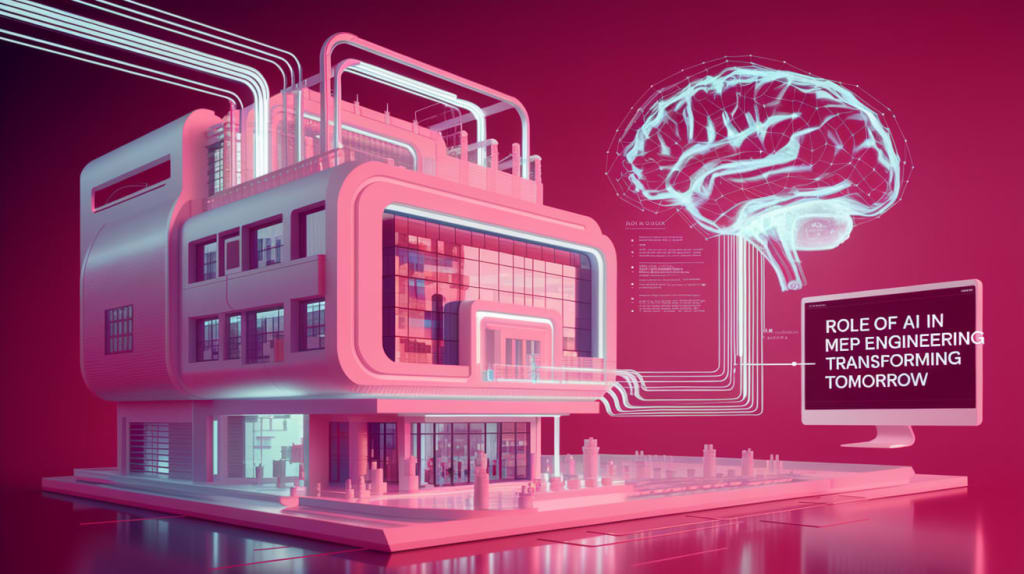
Think about walking into a building that knows exactly what you need before you do - adjusting temperature, lighting, and ventilation automatically. This isn't from a sci-fi movie - it's happening right now in modern MEP (Mechanical, Electrical, and Plumbing) engineering, thanks to artificial intelligence. We're witnessing a remarkable shift in how buildings operate, as AI transforms the way we design, build, and maintain these complex systems.
Introduction to AI in MEP Engineering
The Evolution of MEP Engineering: From Manual Designs to AI Integration
The story of MEP engineering is one of incredible transformation. Not too long ago, engineers spent days hunched over drafting tables, doing complex calculations by hand and meticulously checking for conflicts between different building systems. It was slow, tedious work where mistakes could easily slip through.
The 1980s brought the first big change with Computer-Aided Design (CAD), giving engineers digital tools to work with. Then came Building Information Modeling (BIM) in the late 1990s, which let engineers see their designs in 3D and spot problems before they became expensive construction issues.
Now, AI is taking things to a whole new level. Smart algorithms can dig through years of project data, spot patterns, and suggest the best solutions in minutes instead of weeks. This isn't just making things faster - it's making everything more accurate and efficient too.
Defining AI, Machine Learning, and Their Roles in Modern Engineering
When we talk about AI in MEP engineering, we're talking about computer systems that can think and solve problems almost like humans do. These systems are particularly good at finding patterns and making smart decisions, which is incredibly valuable when designing complex buildings.
Machine Learning, which is part of AI, is like having a system that gets smarter with experience. In MEP work, these systems learn from thousands of past projects to help prevent design conflicts, save energy, and figure out the best way to set up building systems.
Here's what AI and ML are doing in modern MEP engineering:
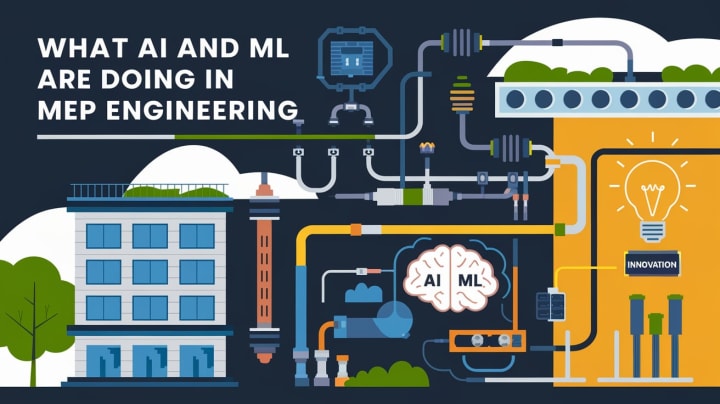
• Automatically checking designs and finding conflicts
• Making buildings use less energy
• Predicting when equipment needs maintenance
• Watching how systems perform in real-time
• Calculating loads and sizing equipment correctly
• Estimating costs and planning projects
Instead of starting from scratch with each new project, engineers can now use AI-powered tools to build on what's worked before. This lets them focus on being creative and solving unique problems, combining human expertise with machine intelligence for better results.
How AI is Revolutionizing MEP Design and Construction
Accelerating Design Processes through Intelligent Automation
AI has completely changed how MEP engineers work. Design software powered by AI can cut down on design time and construction costs while making everything more accurate and energy-efficient. It's like having a super-smart assistant that never gets tired.
Engineers can now test multiple design options at once - something that used to take months can now happen in days. AI handles the repetitive stuff like figuring out where ducts should go, how big pipes should be, and calculating electrical loads. This frees up engineers to think about the bigger picture and come up with creative solutions.
AI systems can look at huge amounts of data to predict how MEP systems will perform, helping create HVAC, electrical, and plumbing systems that work better and last longer.
Enhancing Accuracy and Efficiency with Data-Driven Insights
Making decisions based on data has become crucial in modern MEP engineering. AI can spot patterns and potential problems in building data that humans might miss, helping engineers make better decisions and keep systems running smoothly.
The technology looks at everything from how people use the building to what the weather's doing, then adjusts HVAC settings automatically to keep everyone comfortable while using less energy.
By using AI, engineers can predict when equipment might fail, optimize energy use, and automate routine maintenance, which saves money and helps equipment last longer. Instead of fixing things when they break, we can prevent problems before they happen.
Personalizing MEP Solutions: Meeting Unique Client and Project Demands
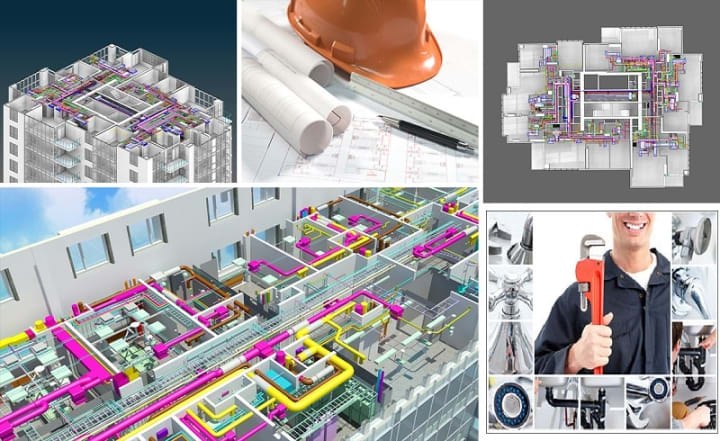
AI has taken customization to new heights. Building management systems with AI can learn from how people use the building, adapt to weather conditions, and figure out the best ways to save energy while keeping everyone comfortable. Every building gets exactly what it needs.
With AI, engineers can create systems that not only meet today's standards but are ready for whatever comes next. They're thinking ahead and designing buildings that can adapt to future challenges.
Here's what AI brings to the table:
• Systems that adjust in real-time based on how people use the building
• Smart ways to manage energy use
• Comfort controls that learn from experience
• Flexible solutions for different spaces
• Smarter ways to use resources
AI can even figure out the best places to put solar panels and adjust water systems to use less during busy times, helping buildings be more environmentally friendly while saving money.
Case Studies: AI's Transformative Impact on MEP Engineering Projects
Green Building Design: AI's Contributions to Sustainable Architecture
Let's look at the Salesforce Tower in San Francisco - it's a perfect example of AI making buildings smarter. This 1,070-foot giant uses AI to watch how people use the building and adjusts everything automatically. The result? It uses 30% less energy than similar-sized buildings that don't have these smart systems.
Over in Dubai, the Museum of the Future shows how AI can handle extreme weather conditions. The building's smart climate control system deals with the desert heat like a pro. It keeps track of weather changes, sun patterns, and how many people are in the building to save energy while keeping everyone comfortable.
The Edge in Amsterdam is another amazing example. This building earned the highest-ever BREEAM sustainability score, thanks to AI. Its smart systems manage everything from where people work to how bright the lights should be. With 28,000 sensors feeding data to the AI, it uses 70% less electricity than your typical office building.
Innovative Solutions for Complex MEP Challenges: A Global Perspective
Beijing Daxing International Airport shows how AI can handle massive-scale operations. The airport's heating and cooling systems use AI to coordinate thousands of sensors, adapting to changing passenger numbers and weather conditions. This smart approach has cut energy use by 20% while keeping the massive space comfortable.
Singapore's Marina Bay district is using AI to revolutionize district cooling. Their smart system predicts when buildings will need cooling and adjusts accordingly. Even in Singapore's tropical heat, they've managed to cut energy costs by 40%.
Up in Norway, the Powerhouse Brattørkaia in Trondheim is doing something really special. This building actually produces more power than it uses, thanks to AI managing its energy systems. The AI figures out how to make the most of Norway's dramatic seasonal light changes - it's like having a super-smart energy manager working 24/7.
Here's what these projects have achieved:
• Cutting equipment downtime in half through predictive maintenance
• Reducing water use by 30-40% with smart management
• Catching problems before they become serious
• Distributing power more efficiently in real-time
The Shanghai Tower shows how AI can juggle multiple systems in a super-tall building. Its smart management system coordinates 104 elevators, controls the climate across 128 floors, and manages complex water systems. The result? A 21% drop in energy use compared to traditional designs, while keeping everyone comfortable.
These real-world examples show that AI isn't just theoretical - it's delivering real results in all kinds of buildings, from desert museums to arctic offices. Each project proves that AI can help buildings work better, use less energy, and stay comfortable, no matter where they are or what challenges they face.
The Future of MEP Engineering with AI
Emerging Technologies and Their Potential Impact on MEP Services
The next wave of building technology is going to be exciting. Digital twins - virtual copies of real buildings - are becoming more common. These AI-powered models let engineers monitor and adjust building systems in real-time, with incredible precision.
Edge computing paired with AI is speeding things up too. By processing data right where it's collected, buildings can respond faster to changes. This is especially important for places like hospitals and data centers, where every second counts.
Quantum computing is the next frontier. When combined with AI, these super-powerful computers will be able to solve complex problems about air flow, heat transfer, and power distribution faster than we ever thought possible.
The Role of AI in Advancing Environmental Sustainability in Construction
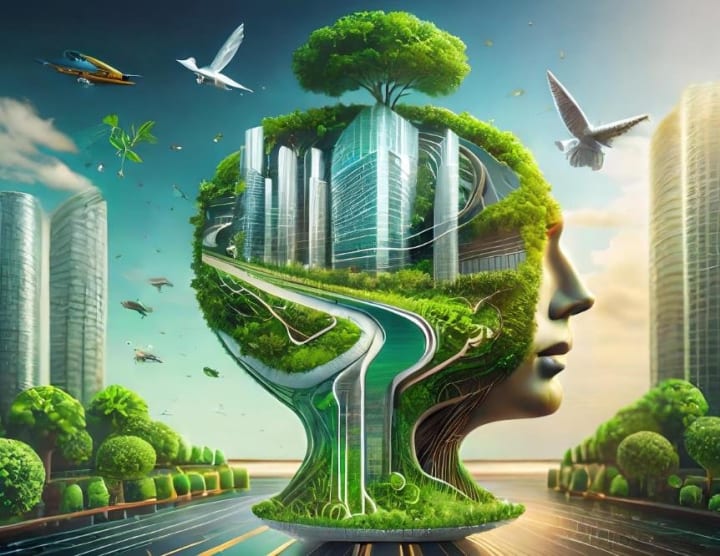
AI is becoming a crucial tool in making buildings more environmentally friendly. Smart building systems can predict when and where energy will be needed, cutting waste and improving efficiency. The best part? These systems keep learning and getting better over time.
We're seeing impressive results in construction waste reduction too. AI helps calculate exactly how much material is needed and where it should go, cutting waste by up to 25% on big projects.
Here's what AI is doing for the environment:
• Automatically finding ways to save energy
• Managing water use more efficiently
• Reducing waste during construction
• Tracking and reducing carbon footprints
• Making renewable energy work better
• Measuring environmental impact in real-time
Preparing for the Next Wave: Skills Engineers Need in the AI Era
Today's MEP engineers need new skills to keep up with AI. They need to understand data science, machine learning, and programming languages like Python and R. It's about combining traditional engineering knowledge with digital know-how.
Project management is changing too. Engineers need to know how to run AI-driven projects, understand complex data, and make decisions based on what AI tells them. Being able to bridge the gap between old-school engineering and new technology is becoming really valuable.
Teamwork is more important than ever. MEP engineers now work closely with data scientists and software developers. Being able to explain technical ideas to different types of experts is a must-have skill.
Here's what engineers should focus on learning:
• How to work with and understand data
• The basics of machine learning
• How to integrate AI into building systems
• Digital twin technology
• Cybersecurity basics
• Sustainable design principles
The key to success is keeping up with new developments. Engineers who embrace AI and keep learning will be the ones leading the way forward.
Concluding Insights: The Symbiotic Relationship Between AI and MEP Engineering
Key Takeaways for Professionals and Stakeholders in the Construction Industry
The marriage of AI and MEP engineering isn't just about new technology - it's changing the whole game. As AI gets smarter, it works hand in hand with human expertise to push the boundaries of what's possible in construction.
Engineers who've embraced AI are seeing great results. Projects are getting done up to 40% faster, and the quality is better than ever. This means firms can take on more work while delivering better results for their clients.
Here's what stakeholders are getting from AI:
• Lower project risks through better prediction
• Better control over costs and resources
• More accurate project timelines
• Easier compliance with green building standards
• Better return on investment through efficiency
• Future-ready buildings that can adapt to change
One thing's clear - AI isn't replacing engineers; it's making them better. By combining human creativity with AI's processing power, engineers are solving problems in ways we never thought possible.
Looking ahead, the construction industry is set for some exciting changes. AI-powered MEP systems are getting smarter all the time, offering unprecedented control, efficiency, and sustainability. For anyone in the industry, the message is clear: embracing AI isn't just about staying competitive - it's about helping shape a better, more sustainable future for construction.
The transformation we're seeing in MEP engineering shows how technology can enhance human expertise rather than replace it. The most successful professionals will be those who see AI as a powerful tool that amplifies their capabilities while maintaining the creative thinking that only humans can provide.
Further Reading
About the Creator
Matt Sharon
A professional content writer. Having years of experience in Technology, health, finance, and construction and real estate field. Writing is my passion and I love to play with words Confidently.
Keep reading
More stories from Matt Sharon and writers in Education and other communities.
How 3D Building Scanning is Transforming the Real Estate Industry?
In recent years, 3D building scanning has emerged as a groundbreaking technology in the real estate industry. By leveraging advanced laser scanning and imaging techniques, stakeholders such as property developers, architects, and real estate agents are redefining how properties are designed, marketed, and sold.
By Matt Sharonabout a year ago in Education
The Communication Core: How Strong Team Dialogue Creates Exceptional Results
Excellent communication is one of the most potent drivers of team success. When people know how to express ideas clearly, listen actively, and collaborate openly, work becomes more efficient and enjoyable. Communication influences how teams solve problems, make decisions, overcome challenges, and build trust. Without strong communication, even the most skilled teams struggle to reach their goals. But with it, teams become more united, productive, and resilient—capable of achieving far more together than they could individually.
By Jordan A. Mitchell7 days ago in Education
What Are Snapchat Planets and How Do They Work
Introduction to Snapchat Planets Snapchat planets are a visual feature that helps users understand how interaction works inside the Snapchat app. Many users notice planets next to friend profiles and feel curious about their meaning. Snapchat planets are designed to represent digital interaction levels in a simple and visual way rather than using numbers or charts.
By AWAIS TARIQ5 days ago in Education




Comments (2)
good Insights
Keep up the good work.