
Daily Wealth: The Power of Reading Finance Books Every Day
How a Simple Daily Habit Can Transform Your Financial Future

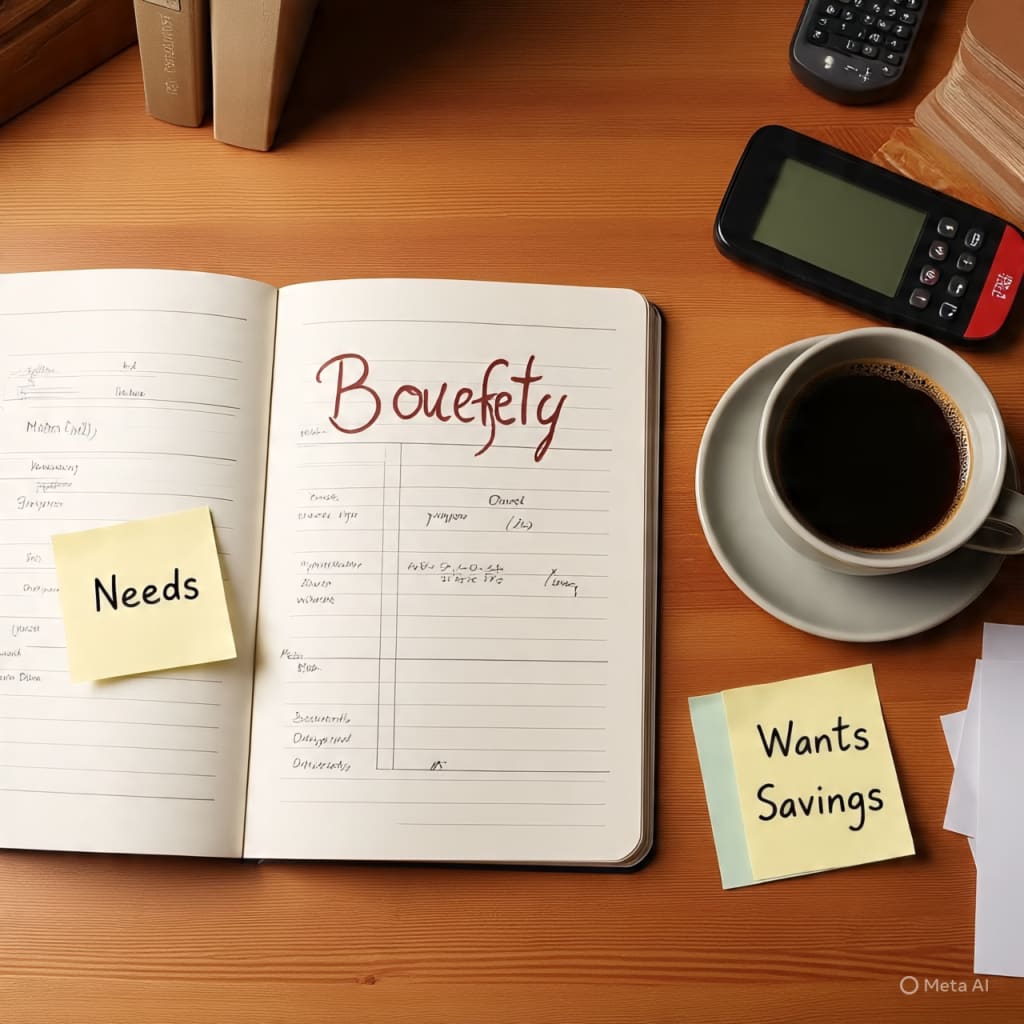
Why We Should Read Finance Books Every Day
In an age where financial literacy is more important than ever, developing a strong understanding of how money works is not just a luxury—it's a necessity. Finance books offer an incredible source of knowledge, tools, and strategies to help individuals make better decisions regarding spending, saving, investing, and planning for the future. While many people seek financial advice through short articles or videos, consistently reading finance books every day offers a deeper and more structured education that can profoundly impact one's financial well-being.
Building a Foundation of Financial Literacy
One of the most important reasons to read finance books daily is to build and reinforce a solid foundation of financial literacy. Topics such as budgeting, credit management, investing, and tax planning can seem overwhelming, especially when encountered all at once. Books allow readers to go at their own pace, making it easier to digest and apply complex concepts. Authors like Robert Kiyosaki, Dave Ramsey, and Morgan Housel have written accessible yet powerful books that guide readers through essential money principles.
By reading daily, concepts that may have once seemed foreign—such as compound interest, inflation, or diversification—become part of your regular vocabulary. This daily practice reinforces learning and gradually builds a strong mental model of how personal and global finance systems operate.
Developing Better Financial Habits
Reading finance books consistently helps instill positive financial habits. Much like exercise trains the body, reading about finance trains the mind to make smarter choices. Books often include real-life stories, case studies, and step-by-step plans that readers can emulate. For instance, many books focus on creating budgets, cutting unnecessary expenses, or setting up emergency funds. By reading daily, these ideas are reinforced, which increases the likelihood that you’ll integrate them into your life.
Repetition plays a key role in habit formation. When you expose yourself daily to good financial practices, your mindset begins to shift. You start questioning your purchases, understanding the importance of delayed gratification, and setting long-term financial goals. These mindset changes don't happen overnight, but with regular exposure through reading, they become deeply rooted.
Staying Informed in a Changing World
The financial world is constantly evolving. New investment options emerge, regulations change, and global markets shift. While finance books may not offer real-time updates like news outlets, they do provide comprehensive context and timeless strategies that help readers adapt to changing conditions. Moreover, many books discuss long-term patterns and cycles in economics and investing, giving readers a better understanding of how to position themselves during downturns or booms.
Reading every day also creates a habit of curiosity and critical thinking. Instead of reacting to financial news with panic or confusion, daily readers are better equipped to understand the underlying trends. They know how to ask the right questions, do their own research, and make informed decisions rather than relying solely on headlines or social media influencers.
Gaining Confidence and Reducing Stress
Money is a major source of stress for many people. Not understanding how to manage finances can lead to anxiety, poor decisions, and long-term consequences such as debt or inadequate retirement savings. Reading finance books daily can significantly reduce this stress by empowering individuals with knowledge and confidence.
Knowing how to create a realistic financial plan or invest wisely leads to a sense of control. Instead of feeling overwhelmed, daily readers feel prepared. They become proactive instead of reactive. This confidence has ripple effects, improving not just financial outcomes but overall mental and emotional well-being.
Enhancing Career and Business Success
Whether you’re an employee, freelancer, or business owner, understanding finance is crucial. Reading books on personal finance, investing, or corporate finance helps readers grasp how money flows through different systems. Entrepreneurs, for example, benefit immensely from books that teach cash flow management, business valuation, or funding strategies. Employees gain an edge by understanding benefits packages, salary negotiation, and retirement planning.
Reading daily keeps your mind sharp and your decision-making informed. It sets you apart in the workplace and makes you more competent in both personal and professional arenas.
Conclusion
Reading finance books every day is one of the most valuable habits you can develop. It helps build essential knowledge, reinforce good habits, reduce financial stress, and enhance long-term decision-making. While it may seem like a small commitment—just 15 to 30 minutes a day—it adds up to a wealth of insight over time. In a world where financial mistakes can be costly, and smart decisions can lead to freedom and opportunity, making daily reading a priority is both wise and empowering. So pick up a finance book today—your future self will thank you.
About the Creator
Keep reading
More stories from MoneyOrbit and writers in Education and other communities.
Mastering Your Money: A Finance Guide Everyone Should Read
In an era where financial stability is more important than ever, mastering the basics of personal finance is not just smart—it’s essential. Whether you're a student, a working professional, or approaching retirement, understanding how to manage your money can mean the difference between long-term success and constant financial stress.
By MoneyOrbit6 months ago in Education
Avoiding Common Counterfeit U.S. Coins: Expert Tips from Laura Bennett
Expert Guide to Spotting Fake U.S. Coins I’ve handled tens of thousands of coins in my career, and that moment of doubt—the gut feeling something isn’t right—is something every collector experiences. That feeling isn't a weakness; it's your best line of defense. This guide is your toolkit to turn that doubt into decisive action. I’ll share the same systematic approach I use to separate the real treasures from the clever fakes, so you can build your collection with confidence.
By Laura Bennett6 days ago in Education


Comments
There are no comments for this story
Be the first to respond and start the conversation.