
Circular Economy in Furniture Manufacturing: From Design to Disposal
Transforming the Furniture Industry: Embracing Sustainability through Circular Economy Practices
Introduction
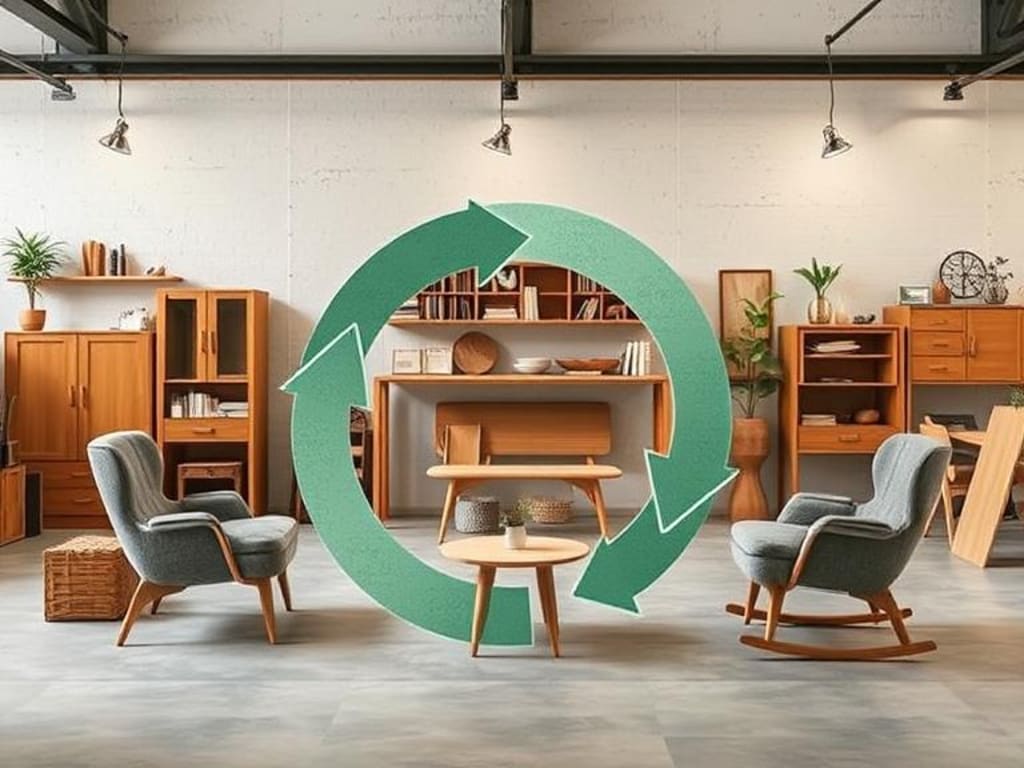
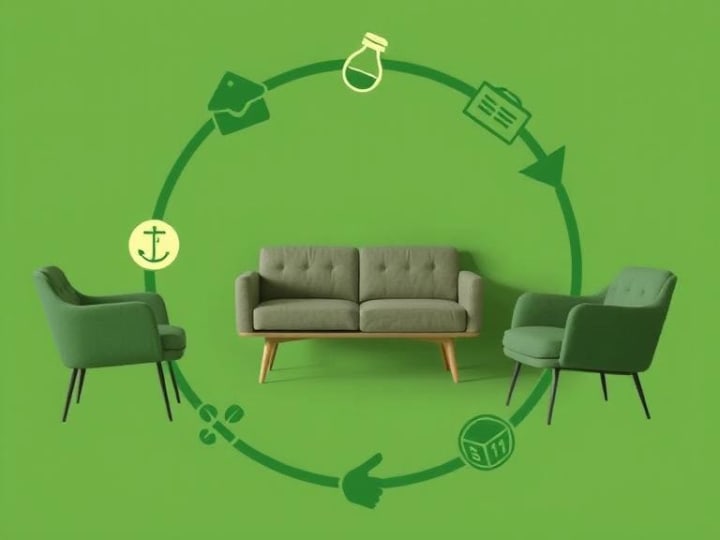
The concept of a circular economy in furniture manufacturing is an innovative approach that aims to minimize waste while maximizing the lifespan of products. In contrast to the traditional linear model of "take, make, dispose," which leads to the depletion of resources and increased waste, the circular economy promotes a closed-loop system where products and materials are reused, repaired, refurbished, and recycled. This model not only reduces the environmental footprint but also fosters sustainability by encouraging more efficient use of resources.
The goal is to transform the furniture industry into one that minimizes the need for raw materials, reduces waste, and promotes the reuse of materials throughout the product lifecycle. This shift is achieved through strategic decisions made at each stage of the product’s life, from design and manufacturing to use and disposal.
Design for Longevity
The foundation of the circular economy begins in the **design phase**. Sustainable furniture design focuses on creating long-lasting, durable products that are easy to repair, upgrade, and eventually recycle. By designing for longevity, manufacturers can ensure that furniture items have a longer lifespan, reducing the need for frequent replacements and reducing waste.
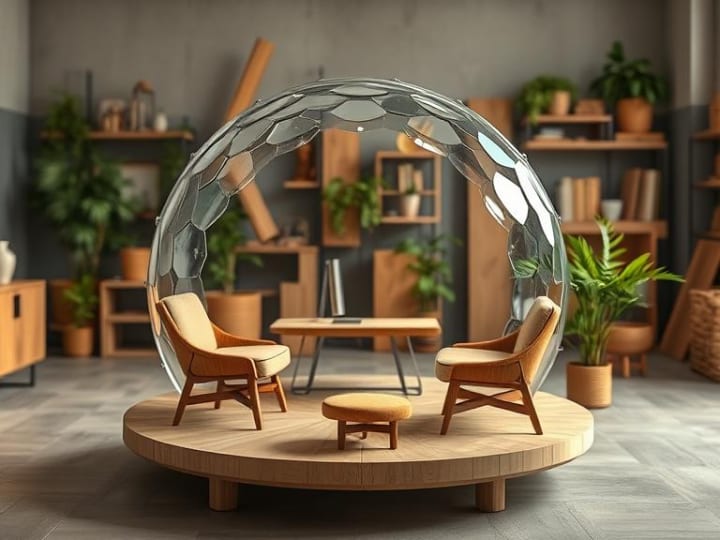
A key aspect of sustainable design is **modular design**, where furniture is made up of interchangeable parts. This allows products to be easily repaired, modified, or upgraded instead of being discarded when a single component fails. For instance, instead of replacing an entire chair due to a broken leg, a consumer can simply replace the damaged part.
Efficient Manufacturing
Once furniture is designed for longevity and sustainability, the manufacturing process must follow suit to minimize environmental impact. The production process in the circular economy focuses on waste reduction, energy efficiency, and the use of sustainable materials.
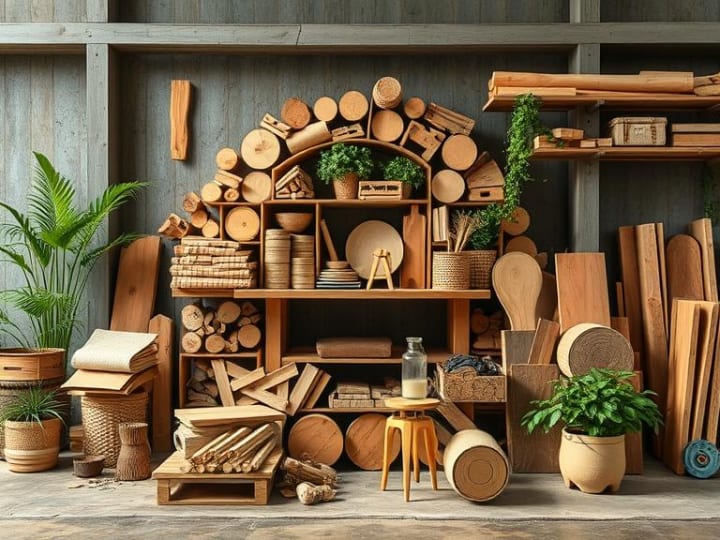
Waste reduction is achieved through improved material efficiency. Digital cutting technology, for example, allows manufacturers to cut materials with precision, minimizing scrap and off-cuts. Lean manufacturing techniques also help reduce waste by optimizing production processes and minimizing unnecessary resource use.
Another key aspect of sustainable manufacturing is energy efficiency. As part of the circular economy, many furniture manufacturers are investing in renewable energy sources like wind and solar power to reduce their reliance on fossil fuels. This shift helps lower the carbon footprint of furniture production and contributes to a more sustainable industry. Additionally, eco-friendly packaging is becoming increasingly common, with many companies opting for packaging made from recycled or biodegradable materials. This helps reduce the environmental impact associated with traditional packaging, which often ends up in landfills.
Sustainable Use
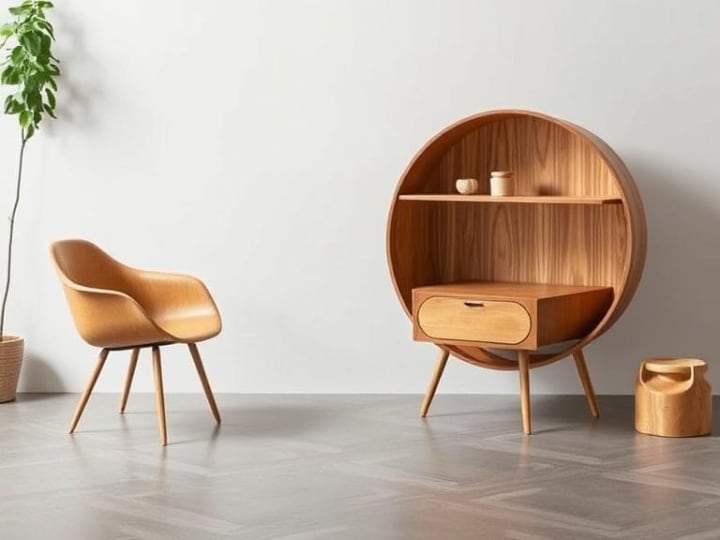
During the use phase, the circular economy encourages consumers to use products for as long as possible by promoting practices that extend the life of the furniture. One of the primary ways to achieve this is through durable construction. Furniture made with high-quality materials and craftsmanship is designed to withstand wear and tear, making it less likely to need replacement over time. This reduces the overall demand for raw materials and decreases the volume of waste generated by discarded furniture.
Repair and maintenance services also play a crucial role in promoting longevity. Many manufacturers are now offering repair services, warranties, and spare parts for their furniture. This helps extend the product’s useful life and encourages consumers to fix rather than discard their furniture. Additionally, offering **modular updates** allows consumers to refresh or update their furniture without needing to purchase entirely new items.
**Upcycling and refurbishing** are additional practices promoted in the circular economy. Some furniture companies even offer **take-back programs** where consumers can return their old furniture for refurbishment or upcycling. These initiatives not only help reduce waste but also give consumers the opportunity to purchase refurbished pieces at a lower price, contributing to a more circular model.
Conclusion
The integration of circular economy principles into furniture manufacturing is a powerful way to create a more sustainable and eco-friendly industry. By prioritizing **design for longevity**, **efficient manufacturing**, and **end-of-life recycling**, furniture manufacturers can reduce waste, conserve resources, and minimize their carbon footprint. As consumer demand for sustainable products continues to grow, the industry is poised to adopt circular economy practices more widely, contributing to a greener future. By focusing on reducing waste at every stage of the product lifecycle, from design to disposal, the circular economy offers a transformative approach that benefits both the environment and the economy.
About the Creator
Keep reading
More stories from OPAA LIVING and writers in Education and other communities.
Furniture Alchemy: Crafting Extraordinary Homes from Everyday Spaces
Furniture alchemy is the delicate art of transforming ordinary spaces into extraordinary homes. It’s not just about filling rooms with furniture; it’s about creating an environment that reflects your personal style, enhances comfort, and inspires creativity. This process is a fusion of design principles, functionality, and emotional resonance, designed to turn mundane, empty spaces into dynamic areas that are full of character and life. Furniture alchemy allows us to do more than just decorate a space; it helps us shape a home that tells a story, offering both beauty and purpose.
By OPAA LIVING11 months ago in Education
Why Remote Freelance Projects Fail More Often Than People Expect
Hiring a remote freelancer usually feels like a practical decision. You avoid long term payroll, move faster, and keep overhead low. For many teams, it feels like the smartest option available.
By Armi Ponsicaabout 15 hours ago in Education


Comments
There are no comments for this story
Be the first to respond and start the conversation.