
AI-Powered Telemedicine: Bridging Healthcare Gaps
Delivering Care with Intelligent Solutions

Introduction
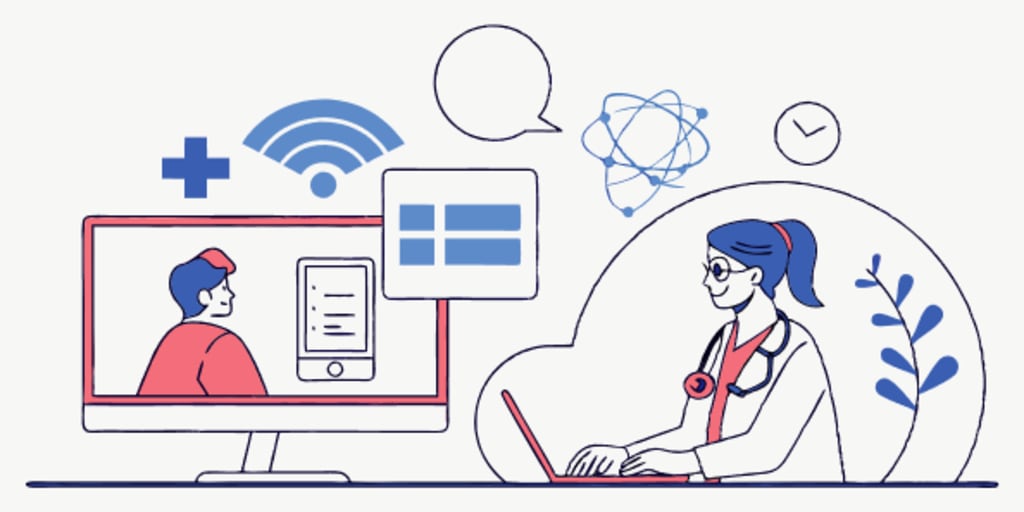
The integration of artificial intelligence (AI) into telemedicine is revolutionizing healthcare delivery by enhancing accessibility, efficiency, and personalization. This innovative approach is particularly beneficial in addressing healthcare disparities in remote or underserved areas, where access to medical services has traditionally been limited. By leveraging advanced algorithms and machine learning, AI is transforming how patients interact with healthcare providers, enabling faster diagnoses, continuous monitoring, and proactive care management. This shift not only improves patient outcomes but also reduces healthcare costs and creates opportunities for more equitable healthcare access globally.
AI-Driven Virtual Consultations
AI-powered telemedicine platforms are transforming patient interactions with healthcare providers. Advanced chatbots and virtual assistants, such as Ada Health and OneRemission, offer immediate medical advice and support. These systems use natural language processing (NLP) to understand patient symptoms and provide preliminary diagnoses, guiding users on whether to seek further medical attention. For instance, Ada Health can analyze symptoms in real-time and suggest appropriate next steps, whether it's self-care, over-the-counter medications, or urgent medical consultation. This reduces unnecessary visits to clinics and emergency rooms, saving time and resources for both patients and healthcare systems.
Remote Patient Monitoring
AI algorithms analyze real-time data from wearable devices and sensors, enabling continuous remote monitoring of patients' vital signs and health conditions. This technology is especially valuable for managing chronic diseases, such as diabetes, hypertension, and heart failure, as it allows for early detection of potential health issues and timely intervention. Devices like Apple Watch and Fitbit can monitor heart rate, blood pressure, and activity levels, transmitting this data to healthcare providers for analysis. AI-powered systems can flag abnormalities and alert providers to potential health risks before they escalate, preventing hospitalizations and improving patient outcomes.
Predictive Analytics for Proactive Care
AI's predictive analytics capabilities allow healthcare providers to anticipate patient needs and potential health risks. By analyzing historical data, AI models can identify patients at risk of developing certain conditions and recommend preventive measures, reducing hospitalization rates and improving overall health outcomes. For example, AI models can predict which patients are at higher risk of readmission within 30 days of discharge, enabling healthcare providers to implement preventive care plans. This proactive approach not only enhances patient care but also reduces healthcare costs by minimizing unnecessary hospital visits.
Bridging Healthcare Deserts
AI is playing a crucial role in addressing the challenges of "medical deserts," areas with limited healthcare services. AI-driven telehealth platforms overcome language and cultural barriers, increasing accessibility to medical expertise. These platforms can provide diagnostic assistance where specialist shortages exist, supplementing medical expertise and improving healthcare outcomes. For instance, in rural areas with limited access to specialists, AI-powered telehealth platforms can connect patients with experts in urban centers, ensuring they receive high-quality care regardless of their location. This democratization of healthcare access is particularly critical in developing countries where healthcare infrastructure is often underdeveloped.
Enhancing Medical Education and Training
AI also supports the professional development of healthcare workers in underserved regions by offering educational resources and training tools. Virtual reality (VR) and augmented reality (AR) technologies, combined with AI, can simulate complex medical scenarios for training purposes. Medical students and practitioners can practice surgeries, diagnose diseases, and manage emergencies in a safe, controlled environment. Additionally, AI-powered platforms can analyze medical records and provide feedback to healthcare workers, helping them improve diagnostic accuracy and treatment plans. This continuous learning and development ensure that healthcare providers in remote areas remain up-to-date with the latest medical advancements.
Conclusion
AI-powered telemedicine represents a significant advancement in healthcare delivery, making medical services more accessible, efficient, and personalized. By bridging geographical and resource gaps, AI technologies are transforming how healthcare is provided, particularly benefiting those in remote or underserved areas. As these technologies continue to evolve, they hold the promise of creating a more equitable and effective healthcare system globally. The future of telemedicine lies in the seamless integration of AI with human expertise, ensuring that patients receive the right care at the right time, regardless of their location or socioeconomic status.
Recommended books
Genesis: Artificial Intelligence, Hope, and the Human Spirit
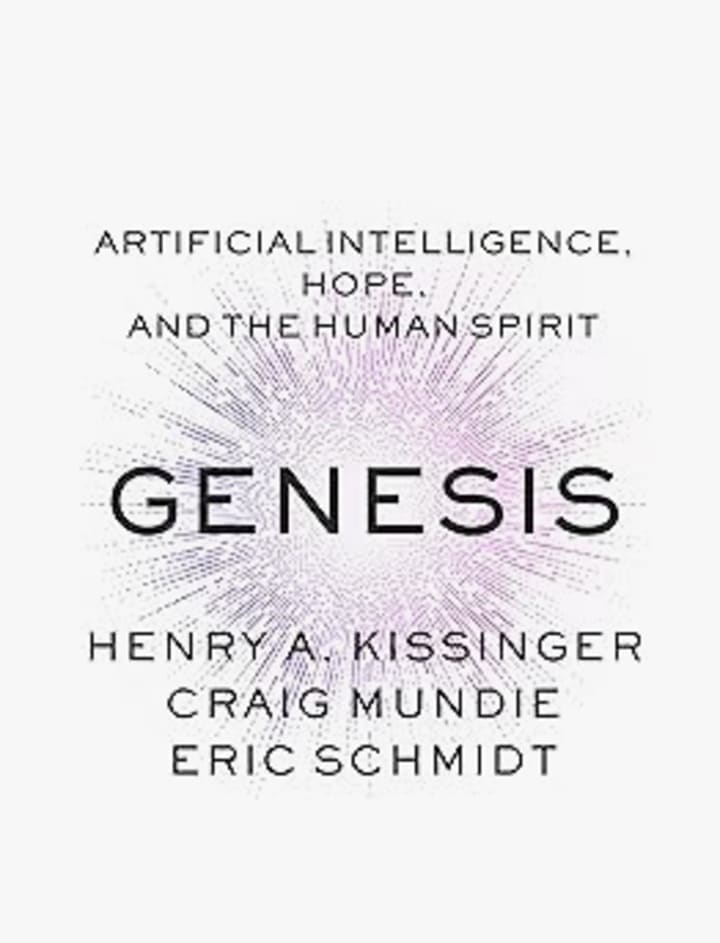
As Artificial Intelligence (AI) becomes more dynamic and ubiquitous, it is dramatically empowering people in all walks of life while also giving rise to urgent questions about the future of humanity—a historic challenge whose contours and consequences are revealed by three eminent thinkers in Genesis.
About the Author: With over a decade of experience as an internet product architect, I’ve spent my career crafting innovative application solutions that bridge technology and real-world needs. Now, as a passionate advocate for artificial intelligence, I focus on exploring its transformative applications. I’m committed to pushing the boundaries of AI to empower lives and shape a smarter future. Join me on this exciting journey as we uncover the endless possibilities of intelligent technology.
About the Creator
roc chiang
I'm a tech enthusiast and entrepreneur based in Vancouver. I share original articles on technology, business and other related topics on social media to showcase my passion and insights.
Editor-in-Chief:fengtou.ca
Keep reading
More stories from roc chiang and writers in Education and other communities.
AI in Cancer Detection: A New Era
Introduction Cancer remains a leading cause of death worldwide, but early detection offers the best hope for improving outcomes. Recent advances in artificial intelligence (AI) are transforming cancer diagnosis, enabling earlier and more accurate detection than ever before. This shift is particularly significant because early-stage cancers are often more treatable, and timely intervention can drastically improve patient survival rates and quality of life.
By roc chiang10 months ago in Education
Python vs Rust Performance: Speed, Memory Usage, and Scalability Explained
When developers compare programming languages, performance is often one of the most debated factors. Two languages that frequently come up in these discussions are Python and Rust. While both are powerful in their own ways, they approach performance, memory management, and scalability very differently. This makes the Python vs Rust comparison especially relevant for teams choosing the right technology for their next project.
By Lennox Gray5 days ago in Education
💦The Water Cycle💦
Water is one of the most essential substances on Earth. It covers over 70% of our planet’s surface and is crucial for all forms of life. But have you ever wondered how water moves continuously around the Earth? How rivers, oceans, clouds, and rain are all connected in a constant cycle? This amazing natural process is called the water cycle, and it ensures that life never runs dry.
By Talha khan4 days ago in Education
Smart phones, Humans and Aliens.
WARNING. I will be tapping into one of your favorite creative tensions: The absurdity of humans worshipping their glowing rectangles as if they were tiny oracles. There’s something deliciously poetic about that contradiction, and it lends itself beautifully to an instructive proviso.
By Novel Allen5 days ago in Poets


Comments
There are no comments for this story
Be the first to respond and start the conversation.