
AI in Drug Discovery: Speed vs. Safety
Are We Rushing Innovation at Patients’ Expense

Introduction
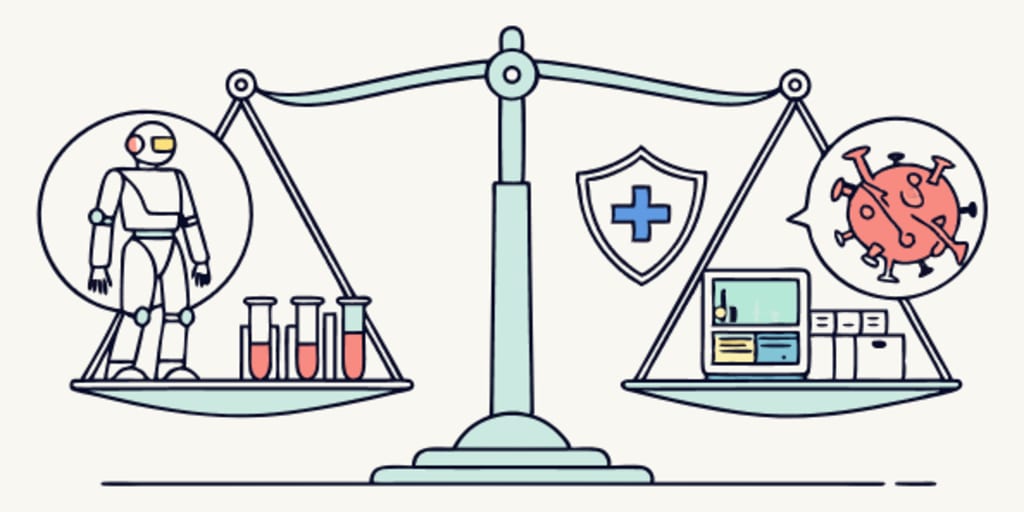
The integration of artificial intelligence (AI) into drug discovery has transformed the pharmaceutical landscape, promising faster and more efficient development of life-saving medications. However, this acceleration raises critical questions about whether the pursuit of speed might come at the expense of patient safety. While AI offers unprecedented opportunities to streamline processes and reduce costs, its limitations and risks must be carefully evaluated to ensure innovation does not compromise the well-being of patients.
AI's Benefits in Drug Discovery
Accelerated Development
AI significantly reduces the time and cost of drug discovery by analyzing vast datasets to identify potential drug candidates and predict their interactions. Traditional methods can take 10 to 15 years and cost billions of dollars, whereas AI-driven approaches streamline target identification, compound screening, and clinical trial design, bringing new drugs to market faster.
Improved Safety Predictions
AI's predictive analytics capabilities allow researchers to identify potential safety risks early in the development process. By analyzing biological data, AI can predict adverse effects, enabling adjustments before drugs reach clinical trials. This not only enhances patient safety but also reduces the likelihood of costly failures later in development.
Drug Repurposing and Personalized Medicine
AI accelerates drug repurposing by identifying new therapeutic uses for existing medications, which can bring treatments to market more quickly. Additionally, AI enhances personalized medicine by analyzing patient data such as genomics and clinical records, tailoring treatments to individual needs and minimizing adverse effects.
Ethical and Safety Concerns
Data Quality and Algorithmic Bias
AI systems rely on large datasets, and if these datasets are incomplete, biased, or poorly structured, the accuracy of AI predictions can be compromised. Biased algorithms may lead to skewed results, disadvantaging certain populations and potentially causing harm. Ensuring diverse and high-quality datasets is crucial to mitigate these risks.
Regulatory Hurdles
Current regulatory frameworks are often ill-equipped to address the unique challenges posed by AI technologies. Real-time learning, validation procedures, and the integration of AI into clinical practice require updated guidelines to ensure patient safety while enabling innovation.
Data Privacy and Security
AI-driven drug discovery involves the use of sensitive patient data, raising concerns about privacy and security. Breaches of patient information can have severe consequences, including identity theft and discrimination. Implementing robust data protection measures is essential to maintain patient trust.
Black Box Problem
Many AI models operate as "black boxes," making it difficult to understand their decision-making processes. This lack of transparency can erode trust in AI-driven decisions and hinder regulatory approval. Developing explainable AI tools is critical to building confidence in these systems.
Balancing Speed and Safety
Collaboration Between AI and Experts
AI should complement, not replace, the expertise of researchers and clinicians. Close collaboration ensures that AI-generated results are relevant, meaningful, and actionable within the context of drug discovery. Human oversight remains essential to address complex ethical questions and ensure patient well-being.
Transparent and Explainable AI
Developing AI systems with transparency and interpretability is crucial for building trust and ensuring reliable outcomes. Tools that make AI decision-making processes understandable can help regulators and researchers validate AI-driven decisions.
Updated Regulatory Frameworks
Regulatory bodies must adapt to the unique characteristics of AI technologies. This includes creating guidelines for real-time learning, validation, and integration into clinical practice to ensure safety and innovation coexist.
Conclusion
AI has the potential to revolutionize drug discovery by accelerating development and improving patient outcomes. However, the pursuit of speed must not come at the expense of patient safety. By addressing data quality, algorithmic bias, regulatory challenges, and transparency, the pharmaceutical industry can harness AI's benefits while minimizing risks. The future of drug discovery lies in a balanced approach where technology and human expertise work together to advance healthcare responsibly.
Recommended books
Genesis: Artificial Intelligence, Hope, and the Human Spirit
As Artificial Intelligence (AI) becomes more dynamic and ubiquitous, it is dramatically empowering people in all walks of life while also giving rise to urgent questions about the future of humanity—a historic challenge whose contours and consequences are revealed by three eminent thinkers in Genesis.
About the Author: With over a decade of experience as an internet product architect, I’ve spent my career crafting innovative application solutions that bridge technology and real-world needs. Now, as a passionate advocate for artificial intelligence, I focus on exploring its transformative applications. I’m committed to pushing the boundaries of AI to empower lives and shape a smarter future. Join me on this exciting journey as we uncover the endless possibilities of intelligent technology.
About the Creator
roc chiang
I'm a tech enthusiast and entrepreneur based in Vancouver. I share original articles on technology, business and other related topics on social media to showcase my passion and insights.
Editor-in-Chief:fengtou.ca
Keep reading
More stories from roc chiang and writers in Education and other communities.
AI in Mental Health: Help or Harm?
Introduction The integration of artificial intelligence (AI) into mental health care has sparked intense debate about its potential benefits and ethical challenges. While AI offers unprecedented opportunities for early intervention, personalized support, and increased accessibility, it also raises critical questions about its ability to truly understand human emotions and the ethical implications of its use. This article explores the role of AI in mental health, examining its promises, limitations, and the ethical considerations that must be addressed.
By roc chiang9 months ago in Education
How Social Media Helps Small Businesses Grow Faster
Small businesses need smart ways to grow without large budgets. Social media offers one of the fastest and most affordable paths. When used well, it helps small brands reach new customers, build trust, and drive steady sales. Growth that once took years can now happen in months.
By Michael Kazma5 days ago in Education
Prevention First: How Proactive Medical Care Builds Stronger Communities
Preventive medical care plays a critical role in shaping healthier communities. When people receive care before illness develops, they avoid many severe conditions. This approach improves quality of life and reduces strain on healthcare systems. Moreover, prevention supports long-term wellness rather than short-term treatment. Communities that prioritize preventive care experience lower rates of chronic disease. As a result, individuals remain active and productive. Preventive care, therefore, serves as the foundation for sustainable public health.
By St. John's Community Healtha day ago in Education




Comments
There are no comments for this story
Be the first to respond and start the conversation.