
AI in 2025: The Year of Ethical Reckoning?
How Global Events Shape Smart Tech Rules

Introduction
As we step into 2025, the rapid evolution of artificial intelligence (AI) is prompting a global reckoning on its ethical implications. The year is marked by intensified regulatory efforts and ethical considerations as governments and organizations grapple with the dual challenges of fostering innovation and ensuring responsible AI use。
The Regulatory Landscape in 2025
European Union Leads the Way
The European Union (EU) continues to assert its position as a global leader in AI regulation. The EU AI Act, set to take effect in August 2025, imposes strict requirements on high-risk AI systems, including transparency, bias detection, and human oversight。This legislation aims to protect fundamental rights and safety while fostering an environment that accelerates ethical innovation。
United States: A Patchwork of Regulations
In the United States, the regulatory landscape is more fragmented. Several states have implemented new privacy laws effective January 1, 2025, with New Jersey following suit on January 15。The absence of unified federal action has led to a patchwork of regulations, creating challenges for businesses operating across multiple jurisdictions。
Asia-Pacific: Balancing Innovation and Regulation
In the Asia-Pacific region, countries are navigating a delicate balance between promoting AI innovation and ensuring robust governance. India's Digital Personal Data Protection Act (DPDPA) imposes strict consent requirements and significant penalties for non-compliance。China's PIPL enforces data localization and mandates transparency in algorithmic decision-making。Meanwhile, Singapore's updated Model AI Governance Framework focuses on ethical AI practices, offering guidance on achieving transparency and fairness。
Ethical Considerations and Corporate Responsibility
The Rise of AI Ethics Boards
In response to regulatory pressures and public scrutiny, many companies are establishing AI Ethics Boards or appointing Chief AI Officers (CAIOs) to coordinate AI strategy with ethical considerations。These bodies ensure that AI development aligns with societal values and addresses potential risks such as bias, privacy, and accountability。
Responsible AI as a Competitive Advantage
Embracing ethical AI practices is not just a compliance requirement but a strategic imperative. Companies known for responsible AI use build deeper trust with customers, face fewer PR disasters, and attract top talent。Investors are increasingly favoring businesses that demonstrate ethical AI use, making it a key differentiator in the market。
Future Outlook
The Need for Global Alignment
As AI technologies continue to evolve, the need for global alignment on ethical standards becomes more pressing. The UN has called for "pockets of collaboration" to preserve diplomacy amid fierce technological competition。International consensus is essential to ensure that rapid advancements in AI do not outpace the safeguards necessary for ethical and equitable technology development。
Ethical AI in Emerging Technologies
New technologies like quantum computing and neuromorphic chips are pushing the boundaries of AI. These advancements will require novel ethical frameworks to address issues like computational bias and decision-making accountability。
Conclusion
2025 marks a pivotal year in the evolution of AI governance. As innovation accelerates, so must our efforts to ensure that AI is used ethically, transparently, and for the greater good。By prioritizing ethical AI practices and fostering international collaboration, we can harness the full potential of AI while safeguarding against its risks. The future of AI depends on our ability to balance technological advancement with ethical responsibility。
Recommended books
Genesis: Artificial Intelligence, Hope, and the Human Spirit
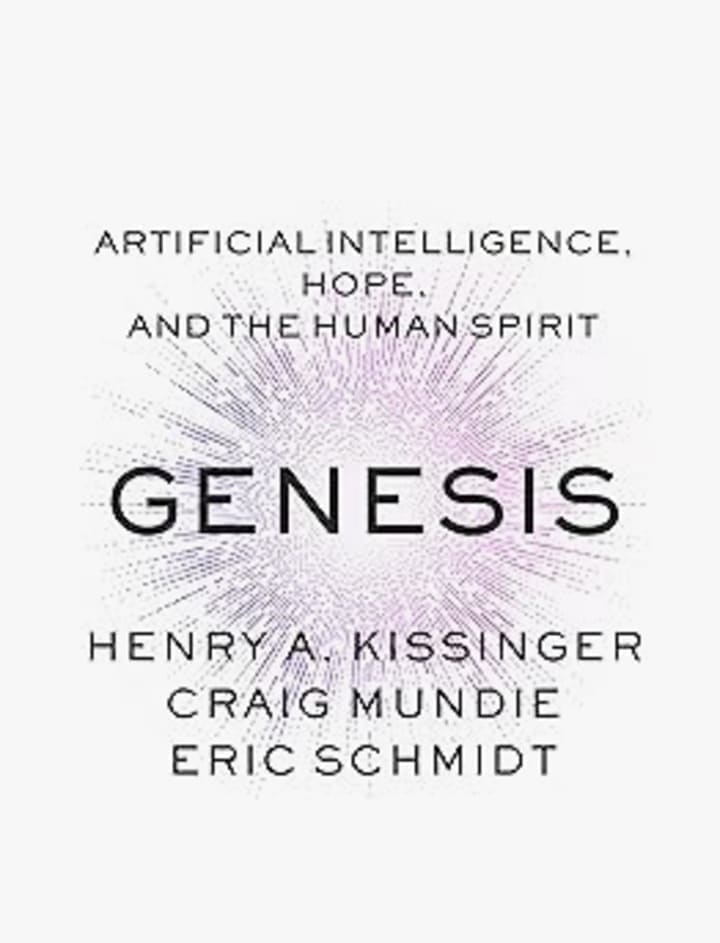
As Artificial Intelligence (AI) becomes more dynamic and ubiquitous, it is dramatically empowering people in all walks of life while also giving rise to urgent questions about the future of humanity—a historic challenge whose contours and consequences are revealed by three eminent thinkers in Genesis.
About the Author: With over a decade of experience as an internet product architect, I’ve spent my career crafting innovative application solutions that bridge technology and real-world needs. Now, as a passionate advocate for artificial intelligence, I focus on exploring its transformative applications. I’m committed to pushing the boundaries of AI to empower lives and shape a smarter future. Join me on this exciting journey as we uncover the endless possibilities of intelligent technology.
About the Creator
roc chiang
I'm a tech enthusiast and entrepreneur based in Vancouver. I share original articles on technology, business and other related topics on social media to showcase my passion and insights.
Editor-in-Chief:fengtou.ca
Keep reading
More stories from roc chiang and writers in Education and other communities.
AI-Powered Investing: Elite Tool or Public Access?
Introduction The world of investment has been transformed by the integration of artificial intelligence (AI). While AI-powered investing holds the promise of democratizing access to sophisticated financial tools, questions remain about whether these advanced technologies truly benefit the broader public or simply serve as elite tools for a select few. This article explores the current landscape of AI in investing, examining how these technologies are making financial markets more accessible while also considering the potential pitfalls and challenges.
By roc chiang8 months ago in Education
Smart Storage & Grading for U.S. Coin Collections: a Checklist
Phase 1: First Aid for Your Collection (The 24-Hour Triage) Before buying any special supplies, you need to perform some emergency triage. Think of this as stopping the bleeding. The goal here is to prevent any active damage right now.
By Laura Bennetta day ago in Education
How Neuroscience Is Changing the Way We Learn
In recent decades, advances in neuroscience have reshaped our understanding of human learning. Rather than viewing learning as merely memorizing facts, researchers now see it as a biological process that physically and functionally changes the brain. This shift in perspective — from teaching content to understanding how the brain learns — is transforming educational theory, classroom practice, and lifelong learning strategies across the globe.
By Games Mode On2 days ago in Education


Comments (1)
The EU leading AI regulation in 2025 is significant. It makes sense to set strict rules for high-risk systems. In the US, the fragmented approach is a headache for businesses. And in Asia-Pacific, countries are finding their own ways to balance innovation and governance. It makes me wonder how these different strategies will play out in the long run. Will they lead to a more harmonized global approach or keep things in a bit of a regulatory mess?