
AI and Social Media Misinformation: A Growing Crisis
How Algorithms Amplify False Cancer Claims

Introduction
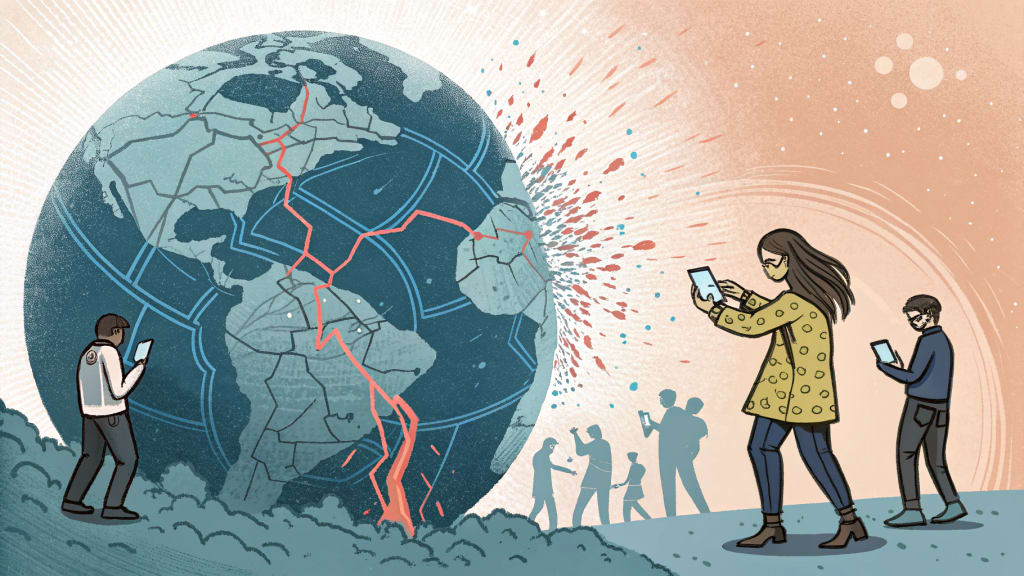
The proliferation of artificial intelligence (AI) in social media has significantly transformed how information is disseminated and consumed. However, this technological advancement has also led to a surge in misinformation, particularly in critical areas such as healthcare. The spread of false cancer claims on social media platforms is a pressing concern, as it can have severe consequences for public health and trust in medical institutions.
The Role of AI in Amplifying Misinformation
AI algorithms, designed to maximize user engagement, often prioritize sensational and emotionally charged content. This tendency inadvertently amplifies the spread of misinformation. For instance, AI-driven recommendation systems on platforms like YouTube and Facebook can promote content that generates high engagement, regardless of its factual accuracy. This algorithmic bias can lead to the widespread dissemination of false cancer claims, which can be particularly harmful to individuals seeking accurate health information.
The Impact of Misinformation on Public Health
False cancer claims can have dire consequences for individuals and public health. Research indicates that a significant number of people with cancer encounter medical misinformation promoting fake cures and treatments. These false claims can lead individuals to delay or forego evidence-based treatments, potentially worsening their health outcomes. For example, some individuals may be misled by false claims about alternative therapies, such as the use of Laetrile (also known as "Vitamin B17"), which has no medical evidence supporting its efficacy and can have serious side effects.
The Role of AI in Combating Misinformation
While AI contributes to the spread of misinformation, it can also be harnessed to combat it. Researchers are developing AI tools to detect and flag false claims in real-time. For instance, AI models can analyze patterns, language use, and context to aid in content moderation and fact-checking. These tools can help identify and mitigate the spread of misinformation, providing users with more reliable information.
The Need for Regulatory and Ethical Frameworks
Addressing the spread of misinformation requires a multifaceted approach. Tech companies must take responsibility for the content their algorithms promote, implementing stricter measures against the creation and distribution of false information. Additionally, governments and regulatory bodies should establish frameworks to hold platforms accountable for the content they host. This includes promoting transparency in algorithmic decision-making and ensuring that users have access to accurate and reliable information.
Conclusion
The integration of AI into social media has both amplified the spread of misinformation and provided tools to combat it. While AI-driven algorithms can inadvertently promote false cancer claims, they can also be used to detect and mitigate the spread of such content. Addressing this crisis requires collaboration between tech companies, governments, and civil society to develop regulatory frameworks and ethical guidelines that prioritize truth and public health. By fostering a digital ecosystem grounded in accuracy and transparency, we can harness the benefits of AI while minimizing its darker implications.
Recommended books
Genesis: Artificial Intelligence, Hope, and the Human Spirit
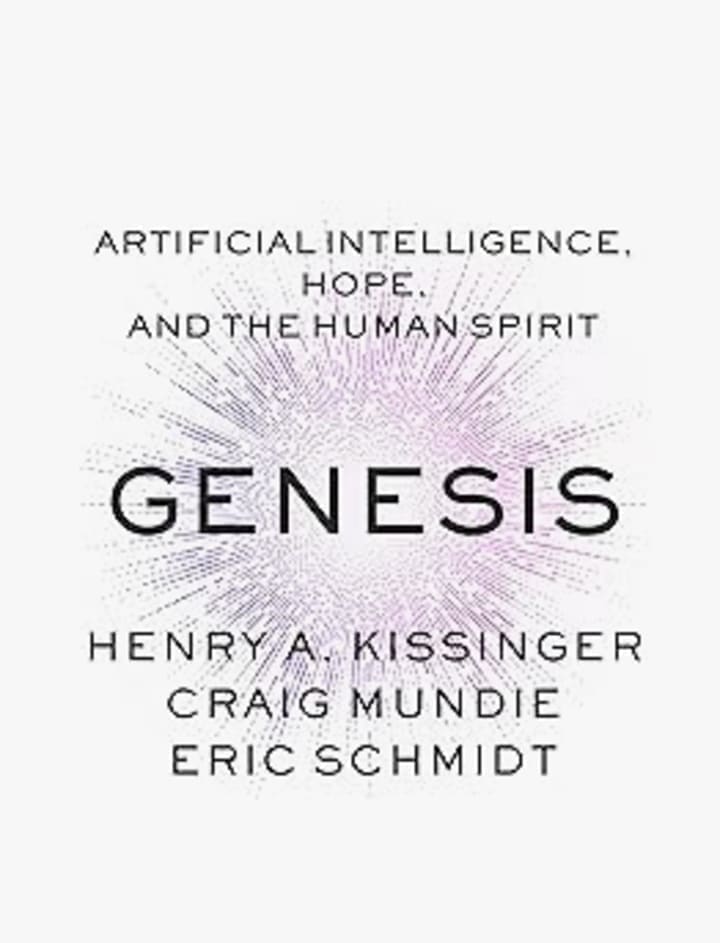
As Artificial Intelligence (AI) becomes more dynamic and ubiquitous, it is dramatically empowering people in all walks of life while also giving rise to urgent questions about the future of humanity—a historic challenge whose contours and consequences are revealed by three eminent thinkers in Genesis.
About the Author: With over a decade of experience as an internet product architect, I’ve spent my career crafting innovative application solutions that bridge technology and real-world needs. Now, as a passionate advocate for artificial intelligence, I focus on exploring its transformative applications. I’m committed to pushing the boundaries of AI to empower lives and shape a smarter future. Join me on this exciting journey as we uncover the endless possibilities of intelligent technology.
About the Creator
roc chiang
I'm a tech enthusiast and entrepreneur based in Vancouver. I share original articles on technology, business and other related topics on social media to showcase my passion and insights.
Editor-in-Chief:fengtou.ca
Keep reading
More stories from roc chiang and writers in Education and other communities.
Can You Trust AI with Your Financial Future?
Introduction The integration of artificial intelligence (AI) into financial advisory services has transformed how investors manage their wealth. Robo-advisors, powered by advanced algorithms, promise efficiency, accessibility, and cost-effectiveness. However, their reliability and suitability for complex financial decisions remain under scrutiny. This article explores the risks and benefits of relying on AI for financial planning, particularly during market volatility.
By roc chiang9 months ago in Education
Rarely Seen: Experimental & Pattern U.S. Coins That Spark the Hobby
So, What Exactly Are These Coins? Let’s clear up the biggest confusion first. "Pattern" and "experimental" are related, but they’re not the same thing. Knowing the difference is your first step from curious collector to informed enthusiast.
By Laura Bennettabout 7 hours ago in Education
How to Make Money Online
A few years ago, earning money meant waking up early, traveling long distances, and working long hours for someone else’s dream. Today, the internet has changed everything. Content creation has opened a new digital path to freedom, allowing people to earn money online by sharing their ideas, skills, and creativity with the world.
By Bilal Mohammadi3 days ago in Education


Comments
There are no comments for this story
Be the first to respond and start the conversation.