
AI and Empathy: Can AI PCs or Laptops Feel Your Pain?
Exploring How Smart Devices and AI Respond to Emotions Without Truly Feeling Them

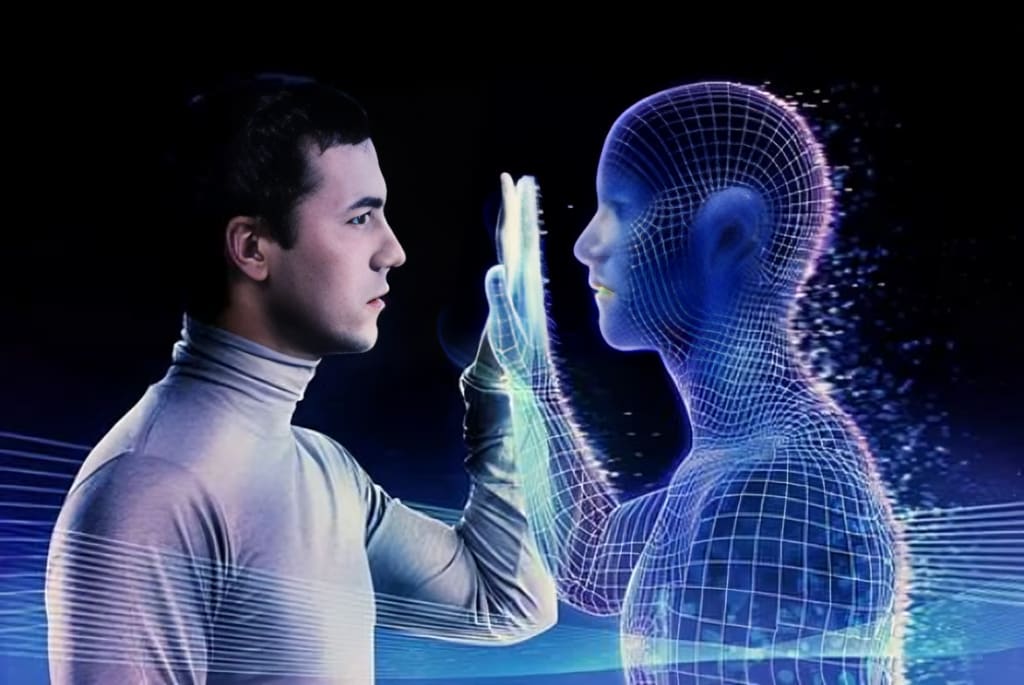
Can AI-powered laptops and CPs truly understand your pain? It’s a question many tech enthusiasts are asking as AI advances. While these devices are becoming more capable of recognizing your emotional state, such as stress or frustration, they can’t feel what you feel.
Instead, they rely on data processing and algorithms to adjust their responses to match your mood. Nevertheless, this ability to adapt can create a more human-like interaction, enhancing your overall experience, even though the underlying technology doesn’t possess empathy.
According to a 2022 PwC survey, 70% of consumers believe that AI systems should be able to recognize and respond to emotions, reflecting a growing expectation for AI to mimic empathy in personal interactions.
Read on to understand how AI works, what empathy is, and whether it’s possible for AI-powered devices like laptops to feel or understand human emotions.
Can AI Understand Emotions?
AI is designed to analyze large amounts of data, identify patterns, and make decisions based on that information. In recent years, AI has been trained to recognize certain emotional cues, such as the tone of voice, facial expressions, or text-based sentiment.
For example, an AI chatbot can analyze a person’s words and recognize if they are expressing sadness, frustration, or happiness.
There are even AI programs that can read human emotions through text or voice analysis, offering responses that seem to acknowledge the emotional state of a person. However, these responses are not based on true emotional understanding but are simply the result of patterns in data.
In the context of laptops or personal computers (CPs) with AI capabilities, these devices, such as the Smart AI laptop, can use data to create a response that seems empathetic.
For instance, if you are struggling with technical issues and reach out to an AI-driven support system, the AI might offer reassuring or understanding responses.
The Role of AI in Laptops and Devices
AI in laptops, particularly with Intel processors or advanced chips, has transformed how we interact with technology. These devices can predict your needs, offer suggestions, and even recognize voice commands or facial expressions. Laptops with AI-powered features can understand what you are doing, adjust settings automatically, or even offer you suggestions based on your habits.
For example, AI systems in laptops can adjust screen brightness based on the lighting in the room or suggest apps you might find helpful based on your recent activities.
While these features may make your experience more personalized, it doesn’t mean the laptop is empathetic. The device is simply processing data to improve its functionality and enhance the user experience.
Intel-powered laptops, for instance, may have integrated AI features that offer things like improved battery performance or smarter data management. These technologies make the device seem more "alive" or responsive to your needs, but at the core, they are still functioning based on algorithms and programming.
The Limitations of AI in Experiencing Pain
Pain is a deeply personal and subjective experience. It involves physical, emotional, and psychological elements that are hard to replicate, even for the most advanced machines. While AI can recognize words related to pain, such as "headache," "hurt," or "sore," it does not "feel" the sensation in any way.
An AI-powered laptop might have a feature that detects when you're typing too much or using the laptop for extended hours, prompting you to take a break. This is done to ensure that the device performs well and that your health is taken into consideration.
AI’s role in understanding pain is more about collecting data and responding based on programmed guidelines than truly "feeling" pain itself. While AI can simulate reactions to human emotions, it cannot experience them, which limits its capacity for true empathy.
Can AI Offer Comfort or Support?
Though AI may not have the ability to feel empathy, it can still provide some comfort or support, mainly through its ability to offer helpful information and perform tasks that alleviate stress or difficulty.
For example, AI in customer support systems can guide you through troubleshooting steps when your device is malfunctioning, or it can suggest ways to improve your laptop’s performance when you’re experiencing problems.
In these scenarios, the AI is not offering emotional support but is performing a functional role that can help reduce frustration. The fact that AI can mimic empathetic responses—such as using comforting language or offering a solution quickly—can create the illusion of empathy.
However, this empathy is not rooted in emotion or understanding but is instead a carefully crafted response based on algorithms and data.
The Future of AI and Emotional Intelligence

As AI technology continues to evolve, researchers are exploring ways to make AI systems like smart AI laptops or PCs more emotionally intelligent. These systems would be better at recognizing human emotions and responding in ways that feel more human.
For example, AI-driven virtual assistants could one day recognize when a user is upset and adjust their tone or provide comforting words.
However, even with these advancements, it’s important to note that AI will always be limited in its capacity to truly understand or feel emotions. Emotional intelligence in AI is about making responses appear more human-like rather than the machine experiencing the same emotions as humans do.
Conclusion: Can AI Feel Your Pain?
While AI systems, such as those in laptops or personal computers, can mimic empathy by responding in ways that appear to acknowledge your emotional state, they do not "feel" your pain in the way humans do.
AI systems are designed to recognize patterns and respond based on those patterns, offering helpful advice or support, but they cannot experience emotions themselves.
In the end, while your laptop might be able to recognize that you’re frustrated with a slow internet connection, it will never feel your pain or share your experience. It can only simulate empathy, not truly understand or feel it.
About the Creator
Jessica Stephen
Hello! My name is Jessica Stephen. I'm highly passionate about advanced technologies like high-powered computing, chip design, new software upcoming and so on. I have almost 10 years of writing experience on these topics.
Keep reading
More stories from Jessica Stephen and writers in Education and other communities.
Avoiding Common Counterfeit U.S. Coins: Expert Tips from Laura Bennett
Expert Guide to Spotting Fake U.S. Coins I’ve handled tens of thousands of coins in my career, and that moment of doubt—the gut feeling something isn’t right—is something every collector experiences. That feeling isn't a weakness; it's your best line of defense. This guide is your toolkit to turn that doubt into decisive action. I’ll share the same systematic approach I use to separate the real treasures from the clever fakes, so you can build your collection with confidence.
By Laura Bennett5 days ago in Education


Comments
There are no comments for this story
Be the first to respond and start the conversation.