
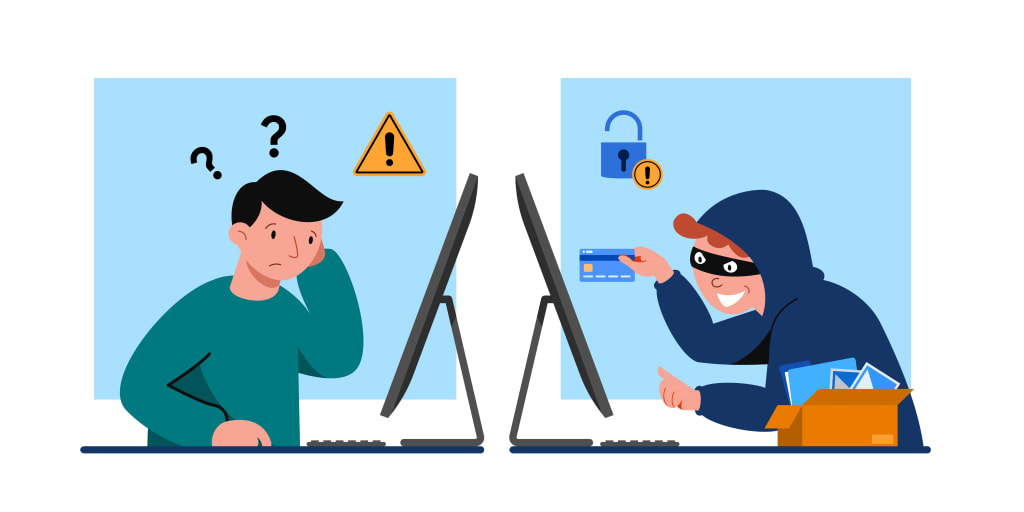
Cyber-Crime:
Cybercrime is a crime that requires a computer and a computer network. The computer has been used in doing a crime, or it may be aimed. It may damage someone's security and finances. It is an illegal activity that targets and uses computers and networked devices. Most cyber crimes are done by hackers or computer criminals who want to make money. However, sometimes computer criminal aims to damage computers or networks for reasons other than profit.
How Cyber-Crime Works?
Cybercrime starts whenever there is digital data and opportunity. Computer Criminals include everyone from the single user engaged in cyberbullying to Government Funded Agencies, Like American Intelligence Services.
Cyber-Crimes normally do not occur in the void. They are in many ways, issued in nature. That is computer Criminals generally rely on others to complete the crime. This is such as the creator of computer viruses using the dark web to the code of it. The dealers of illegal Medicine use cryptocurrency brokers to hold virtual currency.
Cybercriminals use different attack angles to carry out their cyberattacks and are always trying new methods and techniques for achieving their goals while avoiding noticing and arresting.
History of Cyber-Crime:
Cybercrime first started as hackers trying to enter different computer networks. Some did it just for the fun of accessing the high-level security network, but some other wants to gain the sensitive and important data of the organizations. Ultimately, computer criminals started to affect computer systems with computer viruses, which led to malfunctions on personal and business computers. Computer viruses are forms of code or malware programs that can copy themselves and destroy the data and systems available on the system.
Types of Cyber-Crime:
As mentioned above, there are many various types of computer crimes. Most computer crimes are done to gain financial benefits from the attackers. Some types of computer crimes are as follows:
1: Phishing Scams
2: Website Spoofing
3: Ransomware
4: Malware
5: IoT Hacking
6: Cyberextortion
7: Crypto-jacking
8: Identity theft
9: Credit Card Fraud
10: Software Piracy
Phishing Scams:
The most successful type of cyber-attack happens by creating interest in someone for which the user agrees to enter their data or clicks on the infected link. Phishing emails copy messages of the person or the brand or company you trust, they are designed in a way that people almost fall for it and end up giving up their personal information or clicking the malware link that contains a virus. Every day thousands of these attacks are done.
Website Spoofing:
The word spoof itself means to Trick. Website Spoofing is a technique of making a website in such a way that it looks like a real one and tricking us into believing it to be a reputed website. The purpose of doing this is to gain your trust, get access to your computer or device to take your data money or spread viruses in the system.
Ransomware:
This type of Cybercrime's purpose is to steal valuable data in exchange for some financial commodity. For more businesses, this involves the encoding of company data. When Ransomware enters a company computer the company will stop, and employees cannot be able to perform their jobs. Without the restorable data, the company is at the pity of the hacker.
Malware:
Malicious software the purpose of designing is to gain access to other computer systems. In the case of Ransomware, its purpose is to hold your data captive. But that is not the only kind of malware virus are several types of malware viruses with different objectives:
1: Virus That corrupts the files.
2: Trojans that silently make backdoor channels for other malware to enter the system.
3: Worms that harm all the devices connected to the same network.
4: Ransomware that holds your data captive.
IoT Hacking:
IoT stands for Internet of Things means the devices which are attached to the internet. IoT Attacks are cyber-attacks that take control of users and sensitive and personal data with the help of IoT devices. Hacker usually installs malware in the system to get further access to the data.
Cyberextortion:
Cyberextortion occurs when cyber attackers give a warning to damage the business of the targeted company or compromise its private data unless they receive payment against it. The two types of cyber extortion are:
1: Ransomware
2: DDoS (Distributed Denial of Services) Attacks
Crypto-jacking:
This type of cybercrime involves the unofficial use of people's devices by cybercriminals to mine cryptocurrency. Like other types of computer crime, the main purpose here also is to make a profit, unlike other viruses. It is designed to hide completely from the user of that device.
Identity Theft:
Identity Theft happens when someone uses another person’s data, or information, like their name, identifying number, or credit card number, without asking them, to commit fraud or different crimes.
Credit Card Fraud:
Credit Card Fraud is a comprehensive term for fraud done by using a payment card, such as a credit card or debit card. The objective may be to obtain goods or services or to make payment to another account, which is controlled by a criminal.
Software Piracy:
Software Piracy is the unlicensed copying, distributing, sharing, selling or use of software, whether willfully or not. Software piracy examples include activities such as a single-use license on multiple computers, a holidaymaker buying a pirated copy of a piece of software in the Far East, or the mass distribution of illegally acquired software.
About the Creator
Keep reading
More stories from Hassan Sohail and writers in Education and other communities.
A Complete guide on Content Marketing.
Content marketing is a type of marketing which includes creating and sharing online content. Such as Videos, Blogs, and Social Media posts. Its main intention is not about promoting its brand, but it focuses on developing an interest in people about its products and services.
By Hassan Sohail3 years ago in Education
Rarely Seen: Experimental & Pattern U.S. Coins That Spark the Hobby
So, What Exactly Are These Coins? Let’s clear up the biggest confusion first. "Pattern" and "experimental" are related, but they’re not the same thing. Knowing the difference is your first step from curious collector to informed enthusiast.
By Laura Bennettabout 5 hours ago in Education



Comments (1)
Amazing