
6 Foods That Contribute to Hair Loss
6 Foods that Cause Hair Loss You Should Avoid
6 Foods That Contribute to Hair Loss
Oct 8, 2025
Diet and Nutrition, hair loss, and vitamin deficiencies
diet, hair loss, healthy lifestyle, nutrition
6 Foods that Cause Hair Loss

Did you know that about 35 million men and 21 million women in the U.S. deal with hair loss? While genetics are a big factor, your diet also plays a huge role in hair health. Knowing which 6 foods cause hair loss can help keep your hair looking fuller and healthier.
Hair thinning due to diet is more common than you might think. What you eat affects your hair’s strength, growth, and health. Foods that can lead to baldness might be in your kitchen right now, quietly harming your hair’s health.
Your food choices can lead to hair loss by causing nutritional imbalances. Some foods can mess with hormone levels, block important nutrients, and trigger inflammation that harms hair follicles. Knowing these foods is the first step to protecting your hair’s health.
Key Takeaways
Diet plays a crucial role in hair health and hair loss prevention
Certain foods can directly impact hair follicle strength
Nutritional deficiencies contribute to hair thinning
Understanding dietary triggers can help prevent premature hair loss
Balanced nutrition supports optimal hair growth
Understanding the Connection Between Diet and Hair Loss
Your diet is key to keeping your hair healthy. Nutritional hair damage can quietly weaken your hair. Knowing how your diet affects your hair is crucial to stopping hair loss.
Eating the right foods is more than just a habit. It’s about giving your body nutrients that help your hair grow. Your hair shows how well you’re eating, like a health mirror.
How Nutrient Deficiencies Impact Hair Health
Some nutrients are vital for your hair. The most important ones are:
Protein: Essential for hair structure and strength
Iron: Supports oxygen transportation to hair follicles
Biotin: Crucial for hair growth and keratin production
Zinc: Helps repair and grow hair tissue
Vitamin C: Supports collagen production and iron absorption
The Role of Proper Nutrition in Hair Growth
Eating well can stop hair loss and make your hair grow strong. Think of your hair follicles as delicate plants that need specific nutrients to thrive. Without the right food, your hair becomes weak and falls out early.
Common Signs of Diet-Related Hair Loss
Look out for these signs of hair loss due to diet:
Increased hair shedding
Dull, brittle hair texture
Slow hair growth
Thin, weak hair strands
Scalp issues like dryness or inflammation
By understanding these links, you can help your hair stay healthy with the right food and diet.
6 Foods that Cause Hair Loss
Your diet is very important for healthy hair. Some foods can harm hair growth and lead to hair loss. Knowing how diet affects hair health helps prevent damage.
Experts have found foods that can harm hair follicles. A good diet to prevent hair loss means knowing these foods.
Processed Foods: Nutrient-poor options that disrupt hair health
High-Sugar Items: Potentially damaging to hair follicle structure
Refined Carbohydrates: Can impact metabolic processes affecting hair growth
High-Mercury Fish: Known to interfere with hair protein production
Excessive Dairy: May contribute to hormonal imbalances
Alcohol: Disrupts nutrient absorption critical for hair maintenance
What you eat affects hair growth more than just nutrition. Your body needs certain nutrients for strong hair follicles. Some foods can make it hard for your body to produce hair well.
Food Category Potential Hair Loss Impact Recommended Alternative
Processed Snacks Nutrient Depletion Whole Grain Options
High-Sugar Beverages Inflammation Water, Herbal Tea
Fried Foods Hormonal Disruption Grilled/Baked Proteins
Knowing about these foods helps you make better choices for your hair. By choosing the right foods, you can help your hair grow stronger and healthier.
Sugary Beverages and Processed Snacks: Hidden Hair Health Destroyers
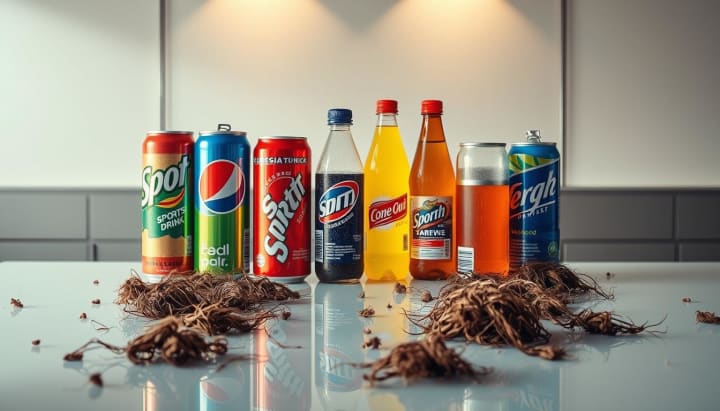
Your favorite sweet treats might be harming your hair more than you think. Consuming too much sugar can lead to unexpected hair loss. Processed snacks and sugary drinks quietly harm your hair’s health and growth.
Foods that may cause hair loss are often easy to miss. Sugary drinks and processed snacks are a bad mix for your hair follicles. High sugar intake puts your body under stress, affecting hair growth.
Impact of High Sugar Content on Hair Follicles
High sugar intake has several negative effects on your body, harming your hair:
Increases insulin levels, which disrupts hormone balance
Causes inflammation throughout the body
Reduces blood circulation to hair follicles
Depletes essential nutrients needed for hair growth
Why Artificial Sweeteners Affect Hair Growth
Artificial sweeteners are not a safe choice. They can mess with your body’s natural processes, causing nutritional deficiencies that harm hair strength and growth.
Protecting your hair starts with understanding the hidden dangers in your diet. By making mindful choices about sugary beverages and processed snacks, you can help maintain healthy, vibrant hair.
The Truth About Refined Carbohydrates and Hair Health
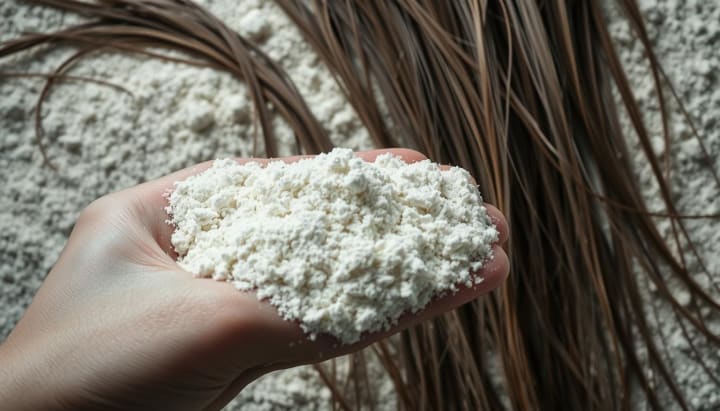
Your diet is key to keeping your hair healthy. Refined carbs, like white bread and pasta, can harm your hair. They might taste good, but they’re bad for your hair’s health.
Refined carbs cause your blood sugar to spike quickly. This messes with your hormone balance. It can weaken your hair and make it fall out more.
Biotin is essential for hair strength and growth
Not getting enough biotin in your diet can cause your hair to become brittle and fall out
Refined carbs can interfere with biotin absorption
Eating refined carbs makes it hard for your body to get the nutrients it needs. This can hurt your hair’s health. Complex carbohydrates and whole grains are better for your hair.
Carbohydrate Type Impact on Hair Health
Refined Carbohydrates Negative – Reduces nutrient absorption
Whole Grain Carbohydrates Positive – Supports hair growth
Complex Carbohydrates Positive – Provides sustained energy
To keep your hair healthy, eat more whole grains and quinoa. Brown rice is also good. These foods help your body absorb biotin and give your hair the nutrients it needs.
High-Mercury Fish and Their Effect on Hair Loss
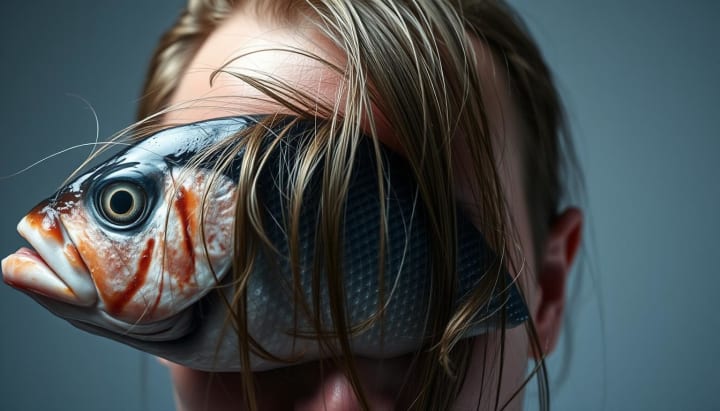
Your diet is key to healthy hair. Some fish can harm your hair’s growth and strength. Fish with mercury can affect your hair health in ways you might not know.
Fish with mercury can block iron absorption in your body. Not enough iron can hurt your hair follicles. This can stop hair growth and lead to hair loss. Knowing which fish have high mercury levels is important for your hair.
Understanding Mercury Levels in Fish
Not all fish have the same amount of mercury. Some fish have much more:
Swordfish
King Mackerel
Shark
Tilefish
Safe Fish Alternatives for Hair Health
Choose fish with less mercury to protect your hair. These fish are good for your hair and have important nutrients:
Salmon
Sardines
Anchovies
Trout
“Your hair’s health begins with what’s on your plate” – Nutritional Experts
By picking the right seafood, you help your hair grow. Moderation and variety are key to maintaining optimal hair health.
Excessive Dairy Consumption and Hair Thinning
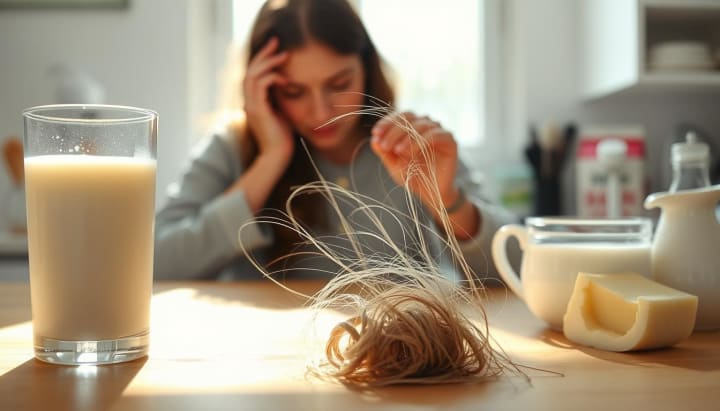
Your diet is key to hair health, and dairy might play a big role. While it’s good for calcium, too much could lead to thinner hair.
Dairy can mess with how your body absorbs nutrients, like vitamin C. Without enough vitamin C, your body can’t absorb iron well. Iron is crucial for hair to grow strong and healthy.
Excess dairy may block iron absorption
Reduced iron levels can lead to hair loss
Hormones in dairy might disrupt hair follicle health
Some dairy parts can cause inflammation, affecting hair follicles. Hormones in milk can also mess with your body’s hormones, changing how hair grows.
“Moderation is key when it comes to dairy consumption and maintaining healthy hair.” – Nutritional Experts
Dairy Product Potential Hair Impact Recommended Intake
Whole Milk High hormonal content Limited servings per week
Cheese Potential inflammation trigger Small portions
Yogurt Probiotic benefits Moderate consumption
To keep your hair healthy, balance dairy with other calcium sources. Try leafy greens, plant-based milk, and foods rich in vitamin C. These help your body absorb iron better.
Alcohol’s Impact on Hair Growth and Retention
Drinking alcohol can harm your hair in unexpected ways. Your favorite drinks might weaken your hair and slow its growth.
Alcohol makes it hard for your body to use zinc. Zinc is a mineral you need to eat because your body can’t make it. Without enough zinc, your hair might fall out, and your hair follicles could weaken.
The Nutritional Drain of Alcohol
Alcohol poses several hair health challenges:
Reduces zinc absorption
Dehydrates your body
Decreases protein synthesis
Disrupts hormone balance
Recommended Alcohol Limits for Hair Protection
To protect your hair, experts suggest:
Limit alcohol to 1-2 drinks per week
Stay hydrated between drinks
Eat foods rich in zinc
Take breaks from drinking
“Moderation is key to maintaining both your hair health and overall wellness.”
Knowing how alcohol affects hair and making smart choices can help keep your hair healthy. This way, you can avoid long-term damage.
Fried and Greasy Foods: The Hidden Hair Loss Connection
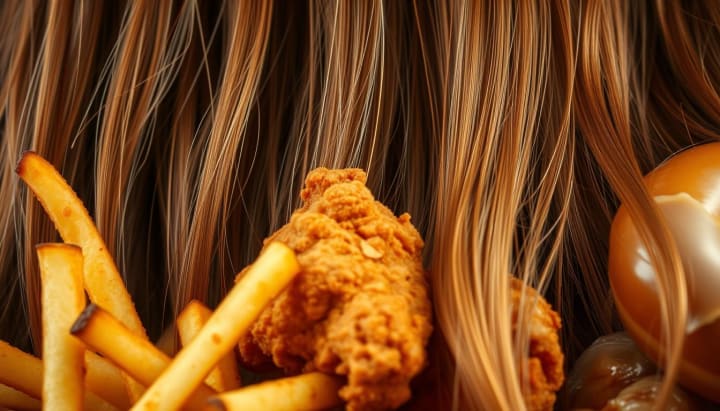
Your diet is key to keeping your hair healthy. Fried foods can quietly harm your hair. They can block nutrient absorption and make your body unhealthy.
Selenium is vital for hair health. If you don’t get enough, your hair follicles may suffer. Fried foods often lack selenium and cause inflammation and stress.
Reduces nutrient absorption
Increases inflammation in the body
Disrupts hormonal balance
Limits selenium intake
How you cook affects your hair. Deep-frying damages hair follicles and slows growth. Switch to nutrient-rich alternatives to keep your hair strong.
Cooking Method Hair Health Impact
Deep Frying Negative: Reduces nutrient absorption
Steaming Positive: Preserves nutrients
Grilling Moderate: Depends on preparation
Choose your food wisely to protect your hair. Use healthier cooking methods like steaming, baking, or grilling. This keeps your hair healthy and ensures you get enough selenium.
Nourish Your Roots: How Nutrition Affects Hair Loss (and What You Can Do About It)

Hair loss can feel deeply personal. You look in the mirror and see more scalp than you want. You run your fingers through your hair and watch strands tumble. Beyond the emotional toll, you wonder: What’s going wrong — and can I fix it?
While genetics, hormones, aging, and stress all play important roles, one often-overlooked factor is your nutrition — what you eat, absorb, and supply to your follicles every day. In this post, we’ll explore the science behind hair loss and diet, highlight key nutrients, and introduce a promising product, FoliPrime, that may help support healthier, stronger hair growth from the scalp outward.
DISCLAIMER: This post is not medical advice. Always consult your physician or dermatologist before starting any new supplement or making big changes to your diet, especially if you have underlying health conditions.
The Link Between Nutrition and Hair Health
Your hair is, in many ways, a biological “canary in the coal mine.” Because hair follicles are among the most nutritionally demanding cells in your body, changes or deficiencies in your diet often show up there first.
Here’s a quick run-through of how poor nutrition can contribute to hair loss:
Protein deficiency
Hair is mostly made of keratin, — a protein. If you’re not getting enough protein (or your body is breaking down more than you’re consuming), your body may conserve resources by minimizing hair growth.
Micronutrient deficiencies
Vitamins and minerals like iron, zinc, vitamin D, B-complex (especially biotin, B12, folate), selenium, and copper are all intimately involved in the hair growth cycle. Low levels can lead to weaker strands, slower regrowth, or even shedding.
Poor absorption or digestive issues
You may eat the right nutrients, but if your gut doesn’t absorb them (due to conditions like celiac disease, Crohn’s, leaky gut, or low stomach acid), your hair still won’t get what it needs.
Oxidative stress & inflammation
Diets high in processed foods, sugars, and trans fats can fuel inflammation and oxidative damage, which can injure hair follicles over time.
Hormonal interplay
Poor nutrition can exacerbate hormonal imbalances (e.g. thyroid dysfunction, insulin resistance), which in turn worsen hair loss.
Because of all this, many hair-loss strategies focus not just on external products (e.g., shampoos, serums) but on internal nutrition and detoxification.
Nutrients That Matter Most for Hair (and Food Sources)
Here’s a shortlist of top micronutrients to focus on, with examples of foods you can include:
Nutrient Role in Hair Health Food Sources
Protein / Amino acids Builds hair shaft, supports hair cycle Lean meat, poultry, fish, eggs, dairy, legumes, tofu, tempeh
Iron Transports oxygen to follicles; deficiency = common cause of shedding Red meat, poultry, fish, lentils, spinach, fortified cereals
Zinc Cell division, DNA repair, immune support in follicles Oysters, beef, pumpkin seeds, nuts, legumes
Biotin (Vitamin B7) Supports keratin production Eggs, nuts, seeds, sweet potato, cauliflower
Vitamin D May aid in hair follicle cycling Fatty fish, fortified dairy, sun exposure
Vitamin B12 / Folate Support cell division, red blood cells Meat, fish, dairy, leafy greens, legumes
Selenium / Copper / Magnesium Antioxidants, enzyme cofactors in hair regeneration Brazil nuts, shellfish, cocoa, whole grains, shellfish, nuts
Tip: If you suspect you’re low in a certain nutrient, consult your provider for blood tests (e.g. ferritin, vitamin D, B12). A balanced, whole-foods diet is your first defense.
Why Detoxification & Scalp Health Matter Too
Even if your diet is solid, your scalp can be working against you — particularly if it accumulates heavy metals, chemical residues, or other “toxins” from water, pollution, hair products, or the environment. These pollutants can “suffocate” follicles, block nutrient flow, and interfere with microcirculation.
That’s where targeted formulations come in. A detox-supportive, scalp-nourishing product can help clear the path for nutrients to reach active follicles and reestablish healthier hair cycling. One such product that’s drawing interest is FoliPrime.
Spotlight on FoliPrime: What It Is & How It Helps
FoliPrime is a natural, plant- and mineral-based balm or topical formula designed to detoxify your scalp and support hair health. It aims to help “keep your scalp free of heavy metals, chemicals, and other toxins that suffocate your follicles.”
Here’s a breakdown of key features:
Natural, non-GMO formula — Designed without stimulants.
Ingredient blend including oils (argan, babassu, ricinus), botanical extracts (turmeric, vanilla fruit extract, ylang-ylang, capsicum, frankincense, myrrh), plus keratin, biotin, and hyaluronic acid.
Usage instructions: Massage a quarter-sized amount into thinning or bald areas twice daily (morning & evening).
Risk management: Backed by a 60-day money-back guarantee.
Free bonuses: The product comes with two bonus guides (e.g., “Common Mistakes That Make Your Hair Look Dull and Lifeless” and “Grow Your Hair 4X Faster”) when you purchase multi-bottle packs.
If you’re curious to try it, I strongly encourage you to visit the official FoliPrime page to check current offers and review detailed ingredient and safety information. Take action now while promotional pricing and bonuses are available.
How to Use FoliPrime Alongside Smart Nutrition
Here’s a sample routine combining diet and topical care:
Optimize your diet
Eat a protein-rich breakfast (e.g. eggs + Greek yogurt + nuts).
Include iron & zinc sources at lunch and dinner (lean meat, legumes, spinach).
Add antioxidant-rich produce (berries, greens, colorful veggies).
Drink enough water and limit refined sugars, processed foods, and excessive alcohol.
Address absorption
Support gut health with prebiotics (fiber) and probiotic foods.
If needed, supplement with digestive enzymes or vitamins (under medical supervision).
Topical application
After cleansing your scalp (gentle shampoo or sulfate-free wash), apply FoliPrime as directed — massage into thinning spots morning and night.
Use gentle strokes and circular massage to promote circulation.
Avoid overloading with heavy gels or silicones that may clog follicles.
Supportive habits
Get 7–8 hours of sleep each night (hair repair happens during rest).
Manage stress through exercise, meditation, or breathing.
Avoid overly tight hairstyles or harsh chemical treatments while restoring your scalp integrity.
Track progress
Take a before photo.
Monitor shedding, density, and hair texture monthly.
Be patient — hair growth cycles can take 3–6 months or more.
What to Watch Out For (and When to See a Professional)
Sudden or patchy hair loss — see a dermatologist or trichologist.
Scalp symptoms like itching, pain, flaking, or infections.
Underlying medical issues (thyroid disease, iron deficiency anemia, hormonal disorders).
Drug interactions or risks if pregnant, nursing, or on medications.
Supplements and topical aids like FoliPrime should complement, not replace, a thorough medical evaluation.
Final Thoughts
Hair loss is rarely caused by a single factor. But nutrition forms the foundation of healthy follicles, and a clean, detoxified scalp gives your follicles room to work without interference. Combine the two — internal nourishment with external support — and you give yourself a much better chance of regrowth and stronger, fuller hair.
If you’re ready to take an action step today, head over to the official FoliPrime page now to see the latest offers, ingredients list, and user reviews. Start with one bottle (or go for the value multipack with bonuses), and begin your journey toward revitalized hair. Don’t let thinning or hair loss hold you back any longer — claim your FoliPrime while supplies last and see if it can make a difference for you.
If you enjoyed this article, check out our website for more great health and fitness tips.
This article includes affiliate links. I may earn a small commission if you purchase through these links, at no extra cost to you.
Conclusion
Understanding how diet affects hair health is key to having strong, vibrant hair. Your hair needs balanced nutrition, with protein being especially important. Eating unhealthy foods can weaken your hair.
Your hair is made of protein, so not getting enough can lead to hair loss. But too much protein can also cause hair loss by upsetting your body’s balance. Finding the right balance is crucial for your hair’s growth.
We’ve talked about six foods that can harm your hair. Cutting down on sugary drinks, refined carbs, high-mercury fish, too much dairy, alcohol, and fried foods helps your hair grow stronger. Making small changes in your diet can greatly help prevent hair loss.
Your hair’s health shows how well you’re taking care of yourself. Choose healthy foods and keep your diet balanced. This will make your hair stronger, shinier, and more resilient. Start taking care of your hair from the inside out.
About the Creator
Keep reading
More stories from Charles Betts and writers in Education and other communities.
Is a Vegan Diet Really Healthy? Explore the Truth
Is a Vegan Diet Healthy? Could the secret to optimal health be hiding on your dinner plate? More people are asking if a vegan diet is healthy. Plant-based eating has become more popular, moving from a niche to a mainstream choice.
By Charles Betts4 months ago in Education
How to Implement Digital Signage in Your Pharmacy
I'll never forget the first time I walked into a pharmacy with digital signage displays showing real-time prescription wait times and health tips. As someone who'd spent years waiting in line wondering how much longer I'd be there, seeing that information displayed so clearly felt revolutionary. That experience stuck with me, and when I later helped my cousin implement digital signage in her independent pharmacy, I realized just how transformative this technology could be for both pharmacy owners and customers.
By Jerry Kane 2 days ago in Education
Prevention First: How Proactive Medical Care Builds Stronger Communities
Preventive medical care plays a critical role in shaping healthier communities. When people receive care before illness develops, they avoid many severe conditions. This approach improves quality of life and reduces strain on healthcare systems. Moreover, prevention supports long-term wellness rather than short-term treatment. Communities that prioritize preventive care experience lower rates of chronic disease. As a result, individuals remain active and productive. Preventive care, therefore, serves as the foundation for sustainable public health.
By St. John's Community Health5 days ago in Education
Five—One Grounding
Five—Locked in a perpetual battle against my failing senses and reason, I fight to survive, to get through; I am afraid of... nothingandeverythingallatonce—...—my mouth is dry, and my muscles seize up... what can I see? I can see the birdcage and birds; I can see the watercolour my beautiful wife painted many years ago and unlocked her journey into art; I can see the empty mug of tea as it sits perilously on the arm of the sofa; how many is that now? Three down, two to go; I can also see a jackdaw on the roof of our neighbour's house across the road and a bookcase of potential—Five things you can see.
By Paul Stewart6 days ago in Poets


Comments
There are no comments for this story
Be the first to respond and start the conversation.