
Is a Vegan Diet Really Healthy? Explore the Truth
Understanding Veganism: Beyond Just a Diet

Is a Vegan Diet Healthy?
Could the secret to optimal health be hiding on your dinner plate? More people are asking if a vegan diet is healthy. Plant-based eating has become more popular, moving from a niche to a mainstream choice.
Eating only plants can be good for you if you know what you’re doing. It’s about making smart choices and understanding nutrition.
The rise in vegan diets is more than a trend. It’s a choice made for health, the environment, and ethics. Millions of Americans see plant-based nutrition as a lifestyle. It affects their health and the planet.
This article will explore the science and benefits of vegan nutrition. You’ll learn how to make a plant-based diet work for you. It’s about getting all the nutrients you need while reaching your health goals.
Key Takeaways
Vegan diets can provide complete nutrition with proper planning
Plant-based eating offers potential health benefits
Nutrient diversity is crucial in a vegan diet
Individual nutritional needs vary
Consulting healthcare professionals is recommended
Understanding Veganism: Beyond Just a Diet
Veganism is more than just what you eat. It’s a way of life that focuses on animal welfare and caring for the planet. This lifestyle choice is different from vegetarianism in many ways.
Defining Vegan and Vegetarian Approaches
Vegetarians might not eat meat but still consume animal products like eggs and dairy. Vegans, on the other hand, avoid all animal products in their lives. This makes veganism a more complete choice when it comes to health.
Vegetarians consume plant-based foods and may eat dairy/eggs
Vegans exclude all animal products from their diet and daily life
Veganism involves ethical choices beyond nutrition
Core Principles of Vegan Living
Vegans don’t just avoid animal products in their food. They also choose cruelty-free clothes, cosmetics, and products. This helps reduce animal suffering and protects the environment.
Environmental and Ethical Considerations
Many choose veganism for its ethical and environmental benefits. By not eating animal products, they help lower their carbon footprint. This supports a more sustainable food system for our planet.
“Veganism is about compassion – for animals, the planet, and ourselves.” – Anonymous Vegan Advocate
The Science Behind Plant-Based Nutrition

Plant-Based Nutrition Science
To understand the health benefits of a plant-based diet, we must explore nutritional science. Modern studies show how vegan nutrition boosts overall wellness. Your body can flourish on well-planned plant-based meals, giving you the nutrients you need for optimal health.
Scientific studies have shown that a vegan diet can support many health aspects. They found that eating plants can offer great nutritional benefits:
More antioxidants
Better metabolic markers
Less inflammation
Stronger cellular protection
Nutrition experts now see how good a vegan diet can be when planned right. The secret is knowing about nutrient density and how well plants absorb nutrients.
Nutrient Category Plant-Based Sources Health Impact
Protein Legumes, Tofu, Tempeh Muscle maintenance
Minerals Leafy Greens, Seeds Bone strength
Antioxidants Berries, Nuts Cellular protection
New research keeps proving that plant-based diets are good for long-term health and preventing chronic diseases.
Essential Nutrients in a Vegan Diet

Vegan Protein Sources
Understanding the key nutrients your body needs is key to vegan nutrition. Whole foods are vital for health on a plant-based diet. By choosing the right vegan protein sources and nutrients, you can make a balanced diet.
Plant-Based Protein Sources
Protein is essential for a healthy vegan diet. Your body needs complete proteins with all essential amino acids. Luckily, many plant-based options can meet these needs:
Legumes: Lentils, chickpeas, and black beans
Quinoa: A complete protein grain
Tofu and tempeh
Seitan: A wheat-based protein
Nuts and seeds: Almonds, chia seeds, hemp seeds
Critical Vitamins and Minerals
Vegan diets need special care for certain nutrients. These nutrients are hard to get from plants alone. Key vitamins and minerals to focus on include:
Nutrient Recommended Sources Daily Requirement
Vitamin B12 Fortified nutritional yeast, supplements 2.4 mcg
Iron Spinach, lentils, fortified cereals 18 mg
Calcium Fortified plant milk, kale, tofu 1000 mg
Omega-3 and Other Fatty Acids
Essential fatty acids are crucial for health. Vegan protein sources can offer omega-3s through plant-based options:
Flaxseeds
Chia seeds
Walnuts
Algae-based supplements
The importance of whole foods cannot be overstated in maintaining a nutritionally complete vegan diet.
Is a Vegan Diet Healthy?

Vegan Nutrition Benefits
Figuring out if a vegan diet is healthy is complex. Nutrition experts say a well-planned vegan diet can be very beneficial. It’s all about making smart food choices.
For a healthy vegan diet, you need to plan your meals well. It’s not just about eating plants. You should aim for:
Diverse protein sources
Balanced micronutrient consumption
Thoughtful supplementation
Whole food selections
Research shows that a vegan diet’s healthiness depends on your nutritional needs. Not all vegan diets are the same. A diet full of processed foods won’t offer the same health benefits as one with lots of whole, nutrient-rich plants.
“Proper planning transforms a vegan diet from potentially deficient to nutritionally superior.” – Nutrition Research Institute
Your health goals, any health conditions, and how much you know about nutrition will affect your vegan diet. Talking to a registered dietitian can help. They can create a plan that makes sure you get all the nutrients you need while enjoying the health perks of plant-based eating.
In conclusion, a vegan diet can be very healthy if you’re well-informed, intentional, and pay attention to nutrition.
Health Benefits of Following a Vegan Diet

Vegan Diet Health Benefits
Looking into a plant-based diet shows many benefits for your health. A vegan diet does more than just feed you well. It can also help prevent chronic diseases and improve your physical health.
Weight Management Strategies
Starting a vegan diet for weight loss can be very effective. These diets are often lower in calories but higher in nutrients. Studies show people on vegan diets tend to:
Have a lower body mass index (BMI)
Have less belly fat
Work better at burning calories
Cardiovascular Protection
Choosing a plant-based diet is great for your heart. Vegan diets can lower your risk of heart disease by:
Lowering bad cholesterol
Keeping blood pressure in check
Reducing inflammation
Digestive Wellness Advantages
A vegan diet can make your digestive system work better. Foods like whole grains, legumes, fruits, and veggies are high in fiber. This helps your gut stay healthy and boosts your immune system.
Plant-based diets offer a holistic approach to nutrition that goes beyond simple eating – they represent a lifestyle committed to personal and environmental wellness.
Potential Challenges and Nutrient Deficiencies

Vegan Nutrition Challenges
Dealing with nutrient deficiencies in veganism needs careful planning. A plant-based diet is healthy, but can have gaps if not planned right.
Key nutrient gaps often involve vitamins and minerals found more in animal products. Managing these challenges is crucial for the long-term health effects of veganism.
Vitamin B12: Primarily found in animal products
Iron: Plant-based sources have lower absorption rates
Calcium: Requires strategic food combinations
Vitamin D: Limited natural plant sources
Zinc: Less bioavailable in plant foods
“A well-planned vegan diet can meet nutritional needs, but awareness is key.” – Registered Dietitian
Regular blood tests are key to checking nutrient levels. You might need supplements to avoid long-term health risks from chronic deficiencies.
Nutrient Vegan Sources Recommended Daily Intake
Vitamin B12 Fortified nutritional yeast 2.4 mcg
Iron Lentils, spinach, tofu 8-18 mg
Calcium Fortified plant milk, kale 1000-1200 mg
Strategic meal planning and professional nutritional guidance can help mitigate potential nutrient deficiencies in veganism.
Planning a Balanced Vegan Diet

Balanced Vegan Diet Nutrition
Eating a well-balanced diet is key, especially for vegans. It’s important to plan your plant-based diet carefully. This ensures you get all the nutrients your body needs.
Starting with vegan nutrition might seem hard. But with the right steps, you can create a diet that boosts your health and well-being.
Creating Nutritionally Complete Meals
To get all essential nutrients, choose a variety of foods:
Eat a rainbow of vegetables and fruits
Choose whole grains for lasting energy
Include protein-rich legumes and nuts
Opt for fortified plant-based foods
Smart Food Combinations
Pair foods to improve nutrient absorption:
Match iron-rich foods with vitamin C sources
Pair calcium-rich foods with vitamin D
Mix plant proteins for complete amino acids
“Variety is the key to a nutritionally complete vegan diet.” – Registered Dietitian
Supplementation Guidelines
Think about supplements to fill any gaps:
Vitamin B12: Important for brain health
Vitamin D: Good for bones and immunity
Omega-3: Found in algae-based sources
Talking to a healthcare professional can guide you. They can help tailor supplements to fit your needs.
Discover the Power of Plants: Why “The Complete Plant-Based Recipe Cookbook” Is the Ultimate Guide to Vibrant Vegan Living
In a world where health and sustainability are top of mind, more and more people are discovering the remarkable benefits of a plant-based lifestyle. Whether you’re taking your first steps toward veganism or you’ve been committed for years, the journey to nourishing your body with whole, natural foods can be both exciting and rewarding. And when it comes to making that journey easy—and delicious—The Complete Plant-Based Recipe Cookbook is the perfect companion.
The Benefits of a Vegan Diet
Adopting a vegan or plant-based diet isn’t just a trend—it’s a transformative lifestyle choice with proven health benefits. Research consistently shows that people who focus on whole, plant-based foods experience improved heart health, lower cholesterol, balanced blood sugar, and sustainable weight management.
But the perks go far beyond physical health. A vegan diet can boost your energy levels, sharpen mental clarity, and even enhance mood. You’re feeding your body nutrient-dense, fiber-rich ingredients that fuel your system with pure vitality—without the heavy toxins or inflammation caused by processed meats and dairy.
On top of that, a vegan lifestyle is a conscious step toward protecting the planet. By reducing your carbon footprint and minimizing animal agriculture’s environmental impact, you’re helping to create a cleaner, more sustainable world—one meal at a time.
A Cookbook That Makes Vegan Living Simple and Delicious
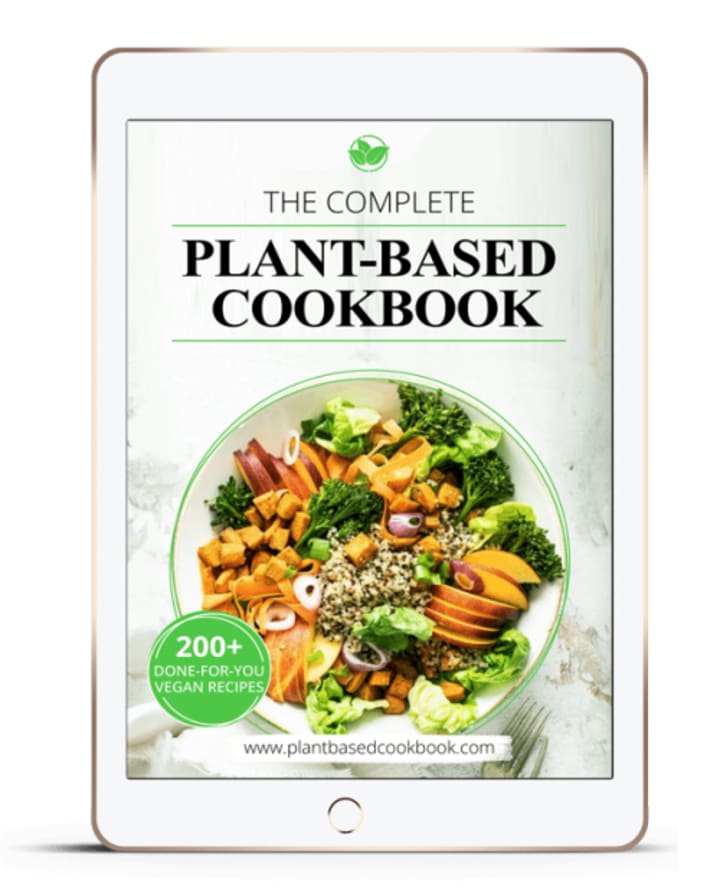
Here’s where The Complete Plant-Based Recipe Cookbook shines. With over 200 mouthwatering vegan recipes, this comprehensive guide transforms plant-based cooking from intimidating to inspiring.
Inside, you’ll find:
✅ Breakfasts that energize – Smoothies, oat bowls, and protein-packed pancakes to start your day strong.
✅ Hearty lunches and dinners – Flavor-rich curries, satisfying grain bowls, savory stews, and perfectly seasoned stir-fries.
✅ Wholesome desserts and snacks – Guilt-free sweets and treats that prove healthy eating doesn’t mean deprivation.
✅ Easy-to-follow instructions – No more guesswork in the kitchen. Every recipe includes clear steps, prep times, and ingredient lists designed for real life.
Whether you’re cooking for yourself, your family, or impressing guests, this cookbook helps you create vibrant, nourishing meals that even non-vegans will love.
What Readers Are Saying
“I’ve tried so many vegan cookbooks, but this one stands out! Every recipe I’ve made so far has been a hit with my whole family. It’s made plant-based eating so much easier—and fun!”
— Emily R., Verified Buyer
“I used to think vegan food was bland and complicated. This book changed everything. The recipes are flavorful, simple, and incredibly satisfying!”
— James K., Longtime Foodie
“As a beginner, I love how straightforward this cookbook is. The photos are gorgeous, and the dishes taste even better than they look!”
— Sophie L., New to Vegan Living
A Note from the Author
“When I first switched to a plant-based diet, I struggled to find recipes that were both nutritious and bursting with flavor. That’s why I created this cookbook—to show that vegan food can be vibrant, hearty, and absolutely delicious. These recipes were designed to nourish your body, excite your taste buds, and prove that eating plants is one of the most joyful choices you can make for your health and the planet.”
— Chef Alexandra M., Author of The Complete Plant-Based Recipe Cookbook
Fuel Your Life with Flavor and Purpose
A vegan diet isn’t about restriction—it’s about abundance. It’s about filling your plate with colorful, nutrient-rich foods that bring life to your body and joy to your table. With The Complete Plant-Based Recipe Cookbook, you’ll have everything you need to make that transformation simple, satisfying, and sustainable.
Why settle for feeling sluggish or uninspired when you can thrive on nature’s best ingredients? Take the first step toward a healthier, more energetic you.
Special Considerations for Different Life Stages

Vegan Diet Across Life Stages
Is going vegan safe for everyone — even kids? This question worries many parents and health enthusiasts. A well-planned vegan diet can be healthy for all ages, from kids to seniors.
Each age group has its own nutritional needs. Kids and teens need extra care to grow right.
Infants and Young Children: Need careful nutritional planning to support rapid growth
Adolescents: Need increased calorie and nutrient intake during growth spurts
Pregnant Women: Must focus on specific nutrients like iron, calcium, and B12
Older Adults: Should prioritize bone health and nutrient absorption
When considering a vegan diet, it’s important to talk to doctors and dietitians. Choose nutrient-rich plant-based foods. Sometimes, supplements are needed to avoid deficiencies.
A balanced vegan diet can meet nutritional needs at every life stage when thoughtfully planned.
It’s vital to watch how people grow and stay healthy. Regular blood tests can check nutrient levels. This ensures everyone gets the right nutrition, no matter their age or vegan choice.
Making the Transition to Vegan Eating
Vegan Diet Transition Guide
Switching to a vegan diet needs careful planning. Your move from eating meat to plant-based foods can be easy with the right mindset. Knowing the differences between vegan and omnivore health helps you make better food choices.
Choosing Your Transition Strategy
There are two main ways to start a vegan lifestyle:
Gradual Transition: Slowly cut out animal products
Immediate Switch: Change your diet completely
Avoiding Common Pitfalls
New vegans often face challenges that can stop their journey. Here are some common mistakes to avoid:
Not getting enough protein
Forgetting to take vitamin B12 supplements
Depend too much on processed vegan foods
Not planning meals well
Creating a Sustainable Routine
Creating a lasting vegan lifestyle needs smart planning. Here are tips for keeping a healthy balance:
Strategy Implementation
Meal Planning: Make weekly menus with a variety of nutrients
Supplementation: Get a personalized supplement plan from a nutritionist
Education: Keep learning about plant-based nutrition
Remember, becoming vegan is a personal journey. Listen to your body, be patient with yourself, and focus on progress, not perfection.
If you enjoyed this article, check out our website for more great health and fitness tips.
This article includes affiliate links. I may earn a small commission if you purchase through these links, at no extra cost to you.
Conclusion
Exploring vegan nutrition can seem tricky, but knowing the basics is key. A well-planned vegan diet is not only possible but also healthy. It requires understanding nutrition and how to prepare meals.
Deciding if a vegan diet is right for you is more than just avoiding animal products. You need to think about getting enough nutrients, planning meals, and possibly taking supplements. Your health goals, lifestyle, and nutritional needs are all important.
Studies show that a vegan diet can be good for your heart, help with weight, and lower disease risk. But, it’s crucial to eat a variety of foods and know about important vitamins and minerals found in animal products.
In the end, whether a vegan diet is healthy for you depends on how you approach it. Getting advice from nutrition experts, learning about plant-based nutrition, and listening to your body are essential. This way, you can enjoy a vegan lifestyle that supports your health and wellness.
About the Creator
Keep reading
More stories from Charles Betts and writers in Education and other communities.
Are Australian Homes Losing Solar Power at Night? The Real Role of Battery Energy Storage Systems
Australia is one of the world’s leaders in rooftop solar adoption, yet many households still face high electricity bills after sunset. Solar panels generate plenty of power during the day, but without storage, much of that energy is sent back to the grid for minimal returns. Later, homes buy electricity back at higher prices.
By bluematrix3 days ago in Education




Comments (1)
Love animals? Which ones? Must I only love the animals that eat plants?