
10 Tips for Successfully Starting a Drop shipping Business
Dropshipping
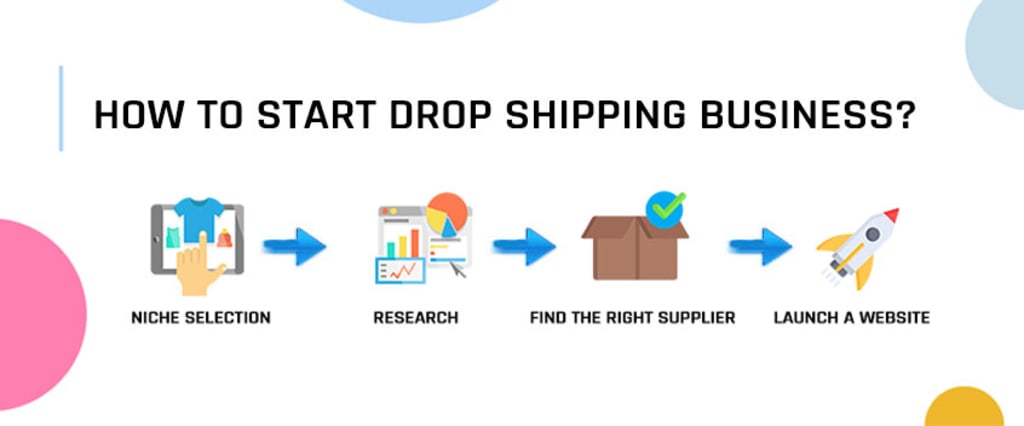
"10 Tips for Successfully Starting a Drop shipping Business"
I. Introduction
A. Definition and explanation of Drop shipping
B. Importance of having a successful Drop shipping business
II. Tip #1: Research and choose a niche
A. Importance of niche selection
Choosing a niche is important because it allows you to focus on a specific group of customers and meet their needs more effectively. By specializing in a particular area, you can become an expert in that field and offer unique, high-quality products that may not be easily found elsewhere.
B. Factors to consider when choosing a niche
Consider your interests and passions. What do you enjoy or know a lot about? This will make it easier for you to research and source products, and it will also make the process more enjoyable for you.
Research market demand. Is there a demand for the products you are considering selling? You can use tools like Google Trends or keyword research to see how much interest there is in your niche.
Consider the competition. While competition is not necessarily a bad thing, it's important to make sure there is enough demand to support multiple businesses in your chosen niche.
Evaluate the profit potential. Can you make a profit in this niche? Be sure to consider the cost of sourcing and selling the products, as well as any marketing and operational expenses.
C. Tips for finding a profitable niche
Look for niches that are not too broad or too narrow.
Consider selling unique or hard-to-find products.
Look for trends or emerging markets.
Research your competitors to see what gaps in the market they are not filling.
III. Tip #2: Find reliable suppliers
A. Importance of having reliable suppliers
Having reliable suppliers is crucial for the success of your drop shipping business. If your suppliers are unreliable, it can lead to delays in shipping, product shortages, and unhappy customers.
B. How to find reputable suppliers
Research the supplier's reputation online. Look for reviews and testimonials from other customers.
Check the supplier's website. Is it professional and well-maintained?
Contact the supplier directly. Ask about their product sourcing, shipping, and return policies.
Consider using a supplier directory or Drop shipping platform to find suppliers. These directories often have pre-vetted suppliers that you can choose from.
C. Tips for negotiating with suppliers
Have a clear idea of your needs and what you are looking for in a supplier.
Determine the terms of the relationship, including payment terms, shipping times, and return policies.
Negotiate the price of the products, as well as any bulk discounts or special deals.
Don't be afraid to negotiate or walk away if the terms are not favorable. It's important to have a mutually beneficial relationship with your suppliers.
IV. Tip #3: Set up your online store
A. Choosing an e-commerce platform
There are several options for setting up an online store, including using a dedicated e-commerce platform such as Shopify, WooCommerce, or BigCommerce, or using a marketplace like Amazon or eBay.
Consider factors such as ease of use, cost, available features, and integrations with other tools when choosing a platform.
B. Setting up payment options
Choose a payment processor such as PayPal or Stripe to handle transactions on your site.
Consider offering multiple payment options to make it easier for customers to complete their purchase.
C. Designing your store for maximum appeal
Use high-quality product images and detailed product descriptions.
Make the site user-friendly and easy to navigate.
Use a professional, cohesive design to establish trust with customers.
Consider using tools like product reviews and customer ratings to build credibility and provide social proof.
V. Tip #4: Create a marketing plan
A. Importance of marketing for a drop shipping business
Marketing is essential for attracting and retaining customers for your Drop shipping business. Without an effective marketing plan, it will be difficult to generate sales and grow your business.
B. Different marketing channels to consider
Social media marketing: Use platforms like Facebook, Instagram, and Pinterest to promote your products and engage with customers.
Email marketing: Build an email list and send regular newsletters or promotional emails to your subscribers.
Content marketing: Create valuable, informative content related to your products or niche and distribute it through a blog or other channels.
Influencer marketing: Partner with influencers in your niche to promote your products to their followers.
Paid advertising: Use paid advertising platforms like Google AdWords or social media ads to target specific customers.
C. Tips for creating an effective marketing plan
Set specific, measurable, achievable, relevant, and time-bound (SMART) goals for your marketing efforts.
Research your target audience and tailor your marketing efforts to their interests and needs.
Allocate a budget for marketing and track the return on investment (ROI) of your marketing efforts.
Experiment with different marketing channels and tactics to see what works best for your business.
Use data and analytics to continuously optimize and improve your marketing efforts.
VI. Tip #5: Use social media to your advantage
A. The role of social media in drop shipping
Social media is a powerful tool for promoting your drop shipping business and engaging with customers. It can help you reach a wider audience, drive traffic to your store, and build brand awareness.
B. Tips for using social media to promote your products
Post high-quality product images and descriptions to showcase your products.
Engage with your followers and respond to comments and messages promptly.
Utilize hashtags relevant to your niche to reach a wider audience.
Consider running social media ads to target specific customers.
C. Best practices for engaging with customers on social media
Be authentic and transparent in your interactions with customers.
Provide valuable information and resources related to your niche.
Respond to customer inquiries and complaints in a timely and professional manner.
Encourage customers to share their own experiences with your products.
Run social media promotions or contests to increase engagement and attract new followers.
VII. Tip #6: Implement upselling and cross-selling techniques
A. Definition and explanation of upselling and cross-selling
Upselling is the practice of encouraging customers to purchase a higher-priced or upgraded version of a product they are interested in.
Cross-selling is the practice of recommending related or complementary products to customers.
B. Tips for implementing these techniques in your drop shipping business
Offer personalized product recommendations based on the customer's previous purchases or browsing history.
Highlight the benefits of upgrading to a higher-priced product.
Use customer reviews and ratings to demonstrate the value of related or complementary products.
Use clear and prominent calls to action to encourage customers to make additional purchases.
Offer bundle deals or package discounts to incentivize customers to purchase multiple products.
VIII. Tip #7: Offer excellent customer service
A. The role of industry trends in a drop shipping business
Staying up-to-date on industry trends can help you stay competitive and attract customers to your Drop shipping business. Being aware of new products, technologies, and market changes can also help you identify new opportunities for your business.
B. Tips for staying up-to-date on industry trends
Follow industry publications and attend trade shows or conferences to learn about new developments in your niche.
Join relevant online communities or forums to stay connected with other professionals in your industry.
Keep an eye on your competitors and see what they are doing to stay current.
Utilize tools like Google Alerts to stay informed about industry news and trends.
IX. Tip #8: Keep up with industry trends
A. The role of industry trends in a drop shipping business
Staying up-to-date on industry trends can help you stay competitive and attract customers to your Drop shipping business. Being aware of new products, technologies, and market changes can also help you identify new opportunities for your business.
B. Tips for staying up-to-date on industry trends
Follow industry publications and attend trade shows or conferences to learn about new developments in your niche.
Join relevant online communities or forums to stay connected with other professionals in your industry.
Keep an eye on your competitors and see what they are doing to stay current.
Utilize tools like Google Alerts to stay informed about industry news and trends.
X. Tip #9: Utilize automation tools
A. The benefits of automation for a drop shipping business
Automation tools can help you save time and streamline various tasks in your Drop shipping business, such as processing orders, tracking inventory, and communicating with customers. This can allow you to focus on other important aspects of your business and improve efficiency.
B. Types of automation tools available
Order processing automation: Tools that can automatically process orders and send them to suppliers.
Inventory management automation: Tools that can help you track and manage your inventory in real-time.
Customer communication automation: Tools that can send automated emails or messages to customers, such as order confirmations or shipping updates.
Marketing automation: Tools that can help you automate tasks such as email marketing or social media posting.
C. Tips for choosing the right automation tools
Identify the specific tasks you want to automate and choose tools that are designed to handle those tasks.
Consider the cost and features of different tools and choose the ones that best fit your needs and budget.
Make sure the tool integrates with your other systems and processes.
Test out the tool and make sure it is user-friendly before committing to it.
XI. Tip #10: Constantly evaluate and optimize your business
A. The importance of continuously improving your drop shipping business
In order to stay competitive and successful, it's important to regularly evaluate and optimize different aspects of your drop shipping business. This can help you identify areas of improvement and make necessary changes to keep your business running smoothly.
B. Tips for evaluating and optimizing different aspects of your business
Analyze your sales and revenue data to identify trends and areas for improvement.
Monitor your customer satisfaction and address any issues or concerns.
Evaluate the efficiency of your processes and look for ways to streamline or automate them.
Keep up with industry trends and adapt your business to changes in the market.
Monitor your competition and see what they are doing differently or better than you.
C. Conclusion: The key to success in drop shipping is staying proactive and adaptable
Staying proactive and adaptable is crucial for the success of your Drop shipping business. By continuously evaluating and improving your business, you can stay ahead of the competition and meet the changing needs of your customers.
About the Creator
Reader insights
Nice work
Very well written. Keep up the good work!
Top insight
Heartfelt and relatable
The story invoked strong personal emotions
Keep reading
More stories from writers in Education and other communities.
The Editorial Stack: Building Content Teams for the Multi-Platform Era
In an age where content travels across screens, feeds, formats, and audiences in real time, the old newsroom model no longer fits the demands of digital publishing. Today's media landscape requires more than great writers and sharp editors—it demands a multi-disciplinary, agile, and strategically aligned editorial stack. From video producers to data analysts, newsletter editors to TikTok creators, modern content teams must be designed with versatility and collaboration at their core.
By James Kaminskyabout an hour ago in Education
Hosting a Book Fair
How many of you remember the “best week ever!” from when you were a child? Book fairs were the staple of many of our childhoods with Scholastic leading the way. While there are many choices for book fairs today and I absolutely want to talk about them, that’s going to be a later article.
By Reb Kreyling6 days ago in Education




Comments
There are no comments for this story
Be the first to respond and start the conversation.