
Yellow and White Calla Lily Bulbs: A Complete Guide for Your Garden
Calla lilies (Zantedeschia spp.) are among the most elegant flowers you can introduce into your garden or home.

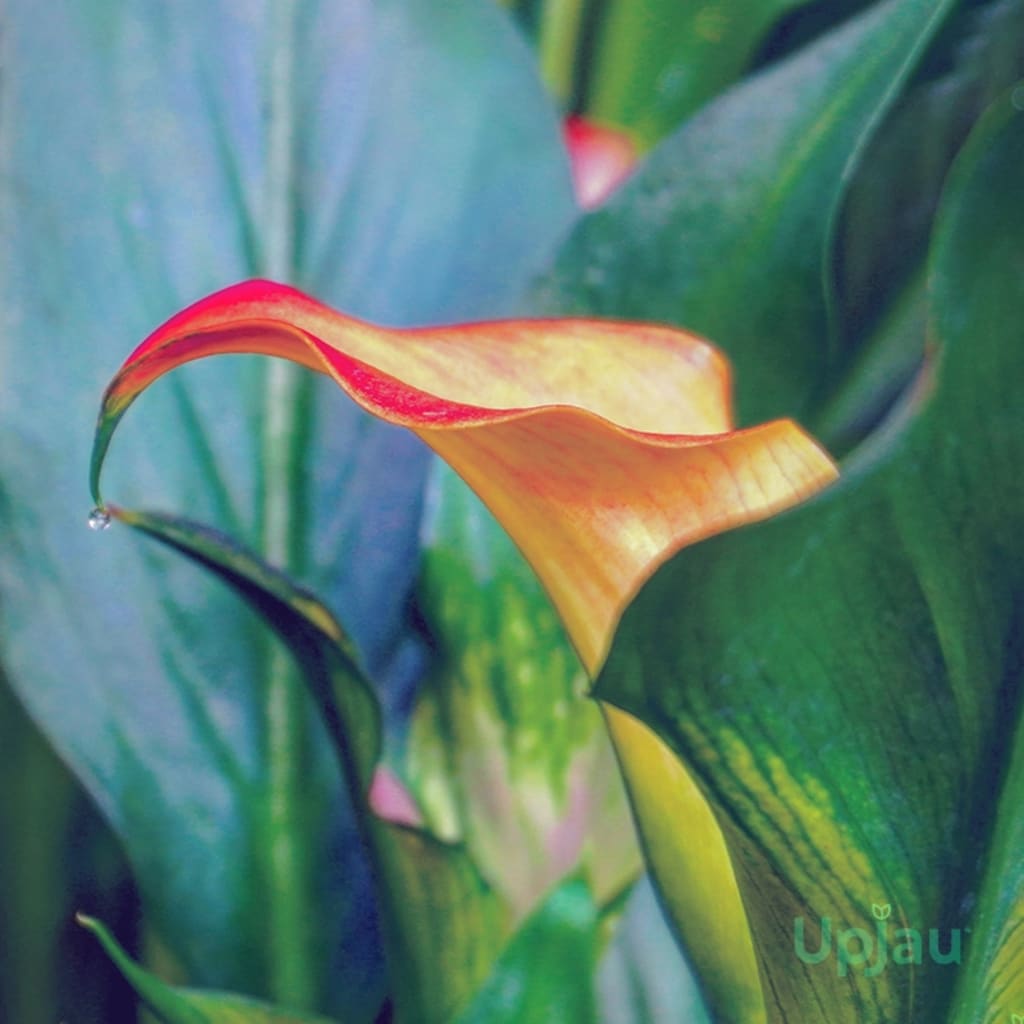
Known for their striking, trumpet-shaped blooms and sleek green foliage, these plants are a favorite for gardeners who appreciate beauty, simplicity, and minimal maintenance. The white and yellow varieties of calla lilies, in particular, are not only visually stunning but carry symbolic meanings that make them a beloved choice in both landscaping and floral design. While white calla lilies represent purity and innocence, yellow calla lilies are symbols of joy, happiness, and friendship.
In this guide, we'll explore how to grow and care for yellow calla lily and white calla lily bulbs, offer design tips, and delve into their symbolism to help you fully appreciate these exquisite plants.
What are Calla Lily Bulbs?
Calla lilies grow from tuberous rhizomes, commonly referred to as "bulbs" in gardening terms. These rhizomes store nutrients that help the plant produce beautiful blooms every year. The white and yellow varieties of calla lilies are particularly popular for their versatility in both gardens and cut flower arrangements. The smooth, glossy leaves of the plant act as a perfect backdrop to the brightly colored blooms that rise above.
Calla lilies are perennial in USDA hardiness zones 8 to 10. However, in cooler climates, they are often treated as annuals, or the bulbs are dug up and stored during winter.
Key Features:
Height: 1 to 3 feet tall.
Blooming Period: Late spring to mid-summer.
Colors: Apart from white and yellow, calla lilies also come in pink, purple, orange, and even black.
Preferred Growing Zones: USDA Zones 8-10.
Planting Yellow and White Calla Lily Bulbs
1. Choosing the Perfect Location
Calla lilies prefer partial sun to full sun and can tolerate some shade in hotter climates. Finding the right balance of sunlight and shade is key to producing healthy blooms. They do well in garden beds and containers and can even thrive near water sources like ponds or along pathways.
Sunlight: Aim for at least 6 hours of sunlight daily, but offer afternoon shade in areas with extreme heat.
Soil: Calla lilies prefer well-drained, slightly acidic to neutral soil. The soil should be rich in organic matter and consistently moist, but not waterlogged.
2. Planting the Bulbs
Before planting, ensure your soil is well-prepared with organic compost or manure. Enriching the soil ensures better nutrient uptake and healthier growth.
Depth: Plant the bulbs about 3-4 inches deep, with the pointy side facing up.
Spacing: Give each bulb about 12 to 18 inches of space to allow for ample airflow and prevent overcrowding.
Timing: Spring is the best time to plant calla lilies after the last frost has passed and the soil has warmed up to around 60°F (15°C).
3. Watering
Calla lilies are moisture-loving plants and require consistent watering, especially during their growing season. Ensure that the soil remains damp but not soggy. Overwatering can lead to root rot, a common issue for many bulbous plants.
4. Mulching
Once the bulbs are planted, add a 2-3 inch layer of organic mulch (e.g., straw or wood chips). Mulching helps retain soil moisture, regulate temperature, and keep weeds at bay.
Caring for Your Yellow and White Calla Lilies
1. Watering
Maintain consistent moisture throughout the growing season. Calla lilies require more water than other bulbs because they are native to swampy environments. In especially dry conditions, consider watering more frequently.
2. Fertilizing
Calla lilies benefit from regular feeding. A balanced, slow-release fertilizer applied every month during the growing season will keep your lilies thriving. Look for a fertilizer with equal parts nitrogen, phosphorus, and potassium (e.g., a 10-10-10 mix) for healthy roots and blooms.
3. Pest and Disease Management
Calla lilies are relatively pest-resistant but can be affected by common garden pests like aphids, slugs, and spider mites. If you notice an infestation, treat the plants with insecticidal soap or neem oil. Proper watering and spacing can also reduce the risk of fungal infections like powdery mildew or root rot, which can occur in overly wet conditions.
4. Deadheading
Deadheading (removing spent blooms) encourages the plant to produce more flowers and redirects energy into new growth. Remove any faded blooms by cutting the flower stalk near the base.
Growing Calla Lilies in Containers
Calla lilies are excellent choices for container gardening, especially for those with limited outdoor space or urban gardens. Both yellow and white varieties can add a pop of color to patios, balconies, or indoor spaces. Here’s how to grow them in containers:
Container Size: Choose a pot that is at least 12 inches wide and deep to accommodate the roots and allow room for growth.
Potting Mix: Use a well-draining potting mix with added compost or organic matter. Ensure that the pot has drainage holes to prevent waterlogging.
Watering: Container plants dry out more quickly, so check the soil regularly to ensure it remains consistently moist.
Fertilizing: Container-grown calla lilies may require more frequent feeding than those in the ground. Apply a water-soluble fertilizer every 2-3 weeks during the blooming period.
Winter Care and Overwintering Calla Lilies
In colder regions (below USDA Zone 8), calla lilies need special care to survive winter. After the first frost in fall, follow these steps to ensure your bulbs are ready for next season.
1. Digging Up the Bulbs
Once the foliage has died back, carefully dig up the bulbs. Brush off any excess soil and trim the dead leaves. Allow the bulbs to dry for a few days in a cool, shaded area.
2. Storing the Bulbs
Store the dried bulbs in a cool, dry, and well-ventilated area over the winter. Place them in a breathable container filled with peat moss, vermiculite, or sawdust. The ideal storage temperature is around 50°F (10°C).
3. Replanting in Spring
Once the last frost has passed, you can replant the bulbs outdoors or in containers. With proper care, your yellow and white calla lilies will bloom again the following year.
Using Yellow and White Calla Lilies in Garden Design
Yellow and white calla lilies can be used to great effect in a variety of garden designs. Their tall, stately blooms provide an excellent focal point and can be combined with other plants to create stunning visual contrasts.
1. Border Planting
Calla lilies work well along garden borders, pathways, and fences. The bright yellow blooms can add warmth and vibrancy, while the white lilies offer a sense of calm and purity. Plant them alongside other perennials, such as ferns or hostas, to create a lush, textured backdrop.
2. Water Features
Since calla lilies thrive in moist soil, they are an excellent choice for planting near water features like ponds, streams, or rain gardens. Their vibrant flowers can add an exotic touch to these areas.
3. Mixed Containers
Yellow and white calla lilies look spectacular in large mixed containers, where they can be paired with trailing plants like ivy or creeping jenny for a cascading effect. Use contrasting colors, such as deep blues or purples, for additional visual interest.
4. Cut Flowers
Calla lilies are a favorite for cut flower arrangements. Their long, sturdy stems and striking blooms make them ideal for bouquets, centerpieces, and wedding arrangements. Yellow calla lilies add a burst of cheer, while white lilies are often used for formal occasions due to their symbolism of purity.
The Symbolism of Yellow and White Calla Lilies
Throughout history, calla lilies have held a special place in various cultures and religions. The pure white calla lily is often associated with faith, innocence, and rebirth, which is why it is commonly used in wedding bouquets and religious ceremonies. On the other hand, yellow calla lilies are seen as symbols of joy, friendship, and gratitude, making them a popular choice for celebratory occasions like birthdays or anniversaries.
Calla Lilies in Art and Mythology
The calla lily has been admired for centuries for its beauty and simplicity. It has appeared in countless works of art, including paintings by Georgia O’Keeffe, who famously captured the flower’s grace and elegance. In Greek mythology, the calla lily was associated with the goddess Hera, representing beauty and magnificence.
Yellow and white calla lilies are a versatile and stunning addition to any garden. Whether you're planting them in your flower beds, containers, or along the edges of water features, these elegant blooms will bring beauty and symbolism to your outdoor spaces. With proper planting, care, and maintenance, your calla lilies will flourish year after year, providing you with vibrant flowers and lush foliage that captivate all who see them. Enjoy the timeless allure of these magnificent flowers in your garden, and let their beauty inspire you season after season.
This content is written with the help of CHATGPT Ai
About the Creator
Upjau
Upjau stands out as the best online plant nursery in India, offering a diverse selection of plants, seeds, and bulbs delivered conveniently to your doorstep.
China banned all fishing to save the Yangtze River
When a river that has sustained life for thousands of years begins to collapse, drastic action becomes inevitable. That was the reality facing Yangtze River, Asia’s longest river and one of the most biologically diverse freshwater systems on Earth.
By Sajida Sikandarabout 19 hours ago in Earth
Heat with No End: Climate Model Sets Out an Unbearable Future for Parts of Africa
The future of Africa, as outlined by emerging climate models, is growing hotter—and far more dangerous—than previously imagined. Scientists now warn that parts of the continent could soon experience levels of heat and humidity so extreme that human survival outdoors may become nearly impossible. This is not a distant science-fiction scenario. It is a forecast grounded in real data, unfolding within the lifetimes of millions alive today.
By Sajida Sikandar5 days ago in Earth
Super Bowl LX Recap: A Team Called Hawks
Sixty. The Super Bowl turned 60! Still amazes me that this was the sixtieth Super Bowl played in NFL history. It seems like yesterday that I watched Super Bowl XXVII, the first SB I ever watched. The QB who won Super Bowl XXVII has since called a few SBs, and will call next year's game, but that's another story. Super Bowl LX took place at Levi's Stadium in Santa Clara, California, the home stadium of the San Francisco 49ers. However, it was one of their division foes who represented the NFC, as the Seattle Seahawks faced off against the New England Patriots.
By Clyde E. Dawkins5 days ago in Unbalanced



Comments