
China banned all fishing to save the Yangtze River
This “nuclear” option appears to be working

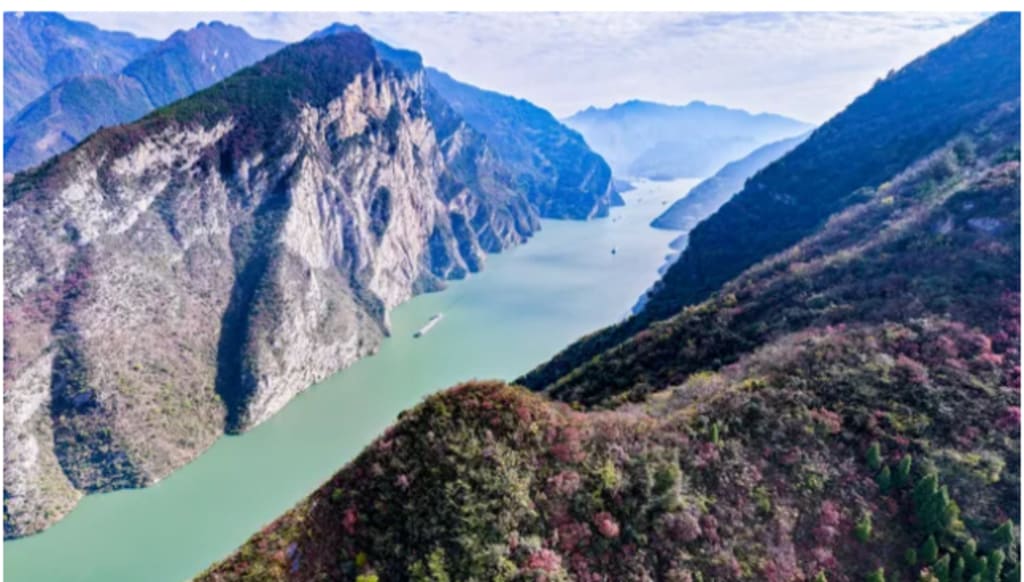
When a river that has sustained life for thousands of years begins to collapse, drastic action becomes inevitable. That was the reality facing Yangtze River, Asia’s longest river and one of the most biologically diverse freshwater systems on Earth.
For decades, the Yangtze had been pushed to the brink by pollution, overfishing, dam construction, and unchecked industrial growth. Fish populations plummeted. Iconic species vanished. Entire ecosystems teetered on collapse.
So in 2021, China made an unprecedented decision: it banned all fishing across most of the Yangtze River Basin for ten years.
It was a bold, controversial move—often described as a “nuclear option” for conservation. And now, several years later, evidence suggests that this gamble is beginning to pay off.
A river in crisis
The Yangtze River basin once supported more than 200 native fish species and provided livelihoods for hundreds of thousands of fishing families. But as economic development accelerated, the river paid the price.
Illegal fishing methods such as electric shocks and fine-mesh nets destroyed juvenile fish populations. Industrial runoff poisoned water systems. Hydropower dams fragmented habitats and blocked migration routes. Over time, the damage became undeniable.
One of the most sobering signs of decline was the extinction of the Chinese paddlefish, a giant freshwater species that had survived for millions of years but could not survive modern human pressure. Other species, including freshwater dolphins and sturgeon, declined to critically low numbers.
Scientists warned that if nothing changed, the Yangtze’s aquatic ecosystem could collapse entirely.
The “nuclear” option: banning all fishing
Rather than introduce small restrictions or seasonal limits, China chose a sweeping solution: a 10-year total fishing ban across the Yangtze’s main stem and its major tributaries, including connected lakes.
This meant:
No commercial fishing
No small-scale traditional fishing
No nets, traps, or harvest of aquatic life
To make this possible, the government dismantled tens of thousands of fishing boats and compensated nearly 200,000 fishermen. Many were retrained for new jobs in conservation, river patrol, tourism, or agriculture.
It was not just an environmental policy—it was a social transformation.
Communities that had relied on fishing for generations had to reinvent their way of life. The scale of the change made global headlines and sparked debate about whether such an extreme measure could succeed.
Early signs of recovery
Several years into the ban, scientists and environmental agencies are reporting encouraging results.
1. Fish populations are rebounding
Surveys show an increase in fish biomass and species diversity in multiple sections of the river. Areas that were once nearly empty are beginning to show signs of life again, especially in protected spawning zones.
2. Endangered species are stabilizing
Rare freshwater animals, including the Yangtze finless porpoise, are showing modest population increases after decades of decline. This is a critical indicator of ecosystem health because top species depend on strong food chains beneath them.
3. Spawning success is improving
With fishing pressure removed, fish are reproducing more successfully. Combined with restocking programs and habitat protection, the river’s breeding cycles are starting to recover.
4. Water ecosystems look healthier
While pollution remains an issue, reduced human disturbance has allowed vegetation and aquatic life to return to some riverbanks and wetlands.
Scientists caution that recovery is uneven—industrial regions still struggle—but the overall trend is positive.
Human costs and new beginnings
The fishing ban did not come without hardship. For families who had worked the river for generations, the policy was emotionally and economically disruptive.
However, large-scale support programs helped soften the blow:
Monthly subsidies and insurance
Job training programs
Employment in environmental protection and patrol units
Development of eco-tourism and sustainable farming
Many former fishers now work as river guardians, monitoring illegal fishing and helping protect the very ecosystem they once depended on for survival.
This shift represents a new relationship between people and nature—one that values long-term health over short-term gain.
Challenges that remain
Despite the success stories, the Yangtze’s recovery is far from guaranteed.
Illegal fishing still occurs in remote areas. Pollution from factories and cities continues to threaten water quality. Dams still block natural migration routes for some species.
Enforcement across such a massive river system is difficult, and long-term success depends on maintaining political will and public support for the full ten-year ban.
Conservationists stress that fishing bans alone are not enough. Habitat restoration, pollution control, and sustainable water management must work alongside the moratorium.
A model for the world?
The Yangtze experiment has caught the attention of environmental policymakers worldwide. Rivers such as the Mekong, Amazon, and Mississippi face similar pressures from overfishing and development.
While not every country can impose such sweeping bans, the lesson is clear: bold action can produce real results when ecosystems are near collapse.
China’s strategy shows that nature can recover if given space and time—sometimes faster than expected.
A quiet but powerful transformation
Today, the Yangtze looks calmer. Fewer boats cross its waters. Nets no longer stretch across its surface. In some places, fish can once again be seen near the shore.
The river’s revival is not dramatic or instant. It is slow, patient, and fragile. But it is real.
In a world often filled with stories of environmental loss, the Yangtze River offers something rare: cautious optimism. The decision to halt fishing—once viewed as extreme—may become one of the most important freshwater conservation experiments of the 21st century.
If this “nuclear” option continues to work, the Yangtze could stand as proof that even deeply damaged ecosystems can heal when humanity finally chooses restraint over exploitation.
About the Creator
Sajida Sikandar
Hi, I’m Sajida Sikandar, a passionate blogger with 3 years of experience in crafting engaging and insightful content. Join me as I share my thoughts, stories, and ideas on a variety of topics that matter to you.
Keep reading
More stories from Sajida Sikandar and writers in Earth and other communities.
China Has Planted So Many Trees Around the Taklamakan Desert That It’s Turned This ‘Biological Void’ Into a Carbon Sink
For generations, the Taklamakan Desert in northwestern China was considered one of the most lifeless places on Earth. Stretching across more than 330,000 square kilometers, this vast sea of sand earned the nickname “biological void” because almost nothing could survive its blistering heat, shifting dunes, and extreme lack of rainfall.
By Sajida Sikandara day ago in Earth
When True Love Never Questions Your Soul
“And she’s going to learn that this life will hit you, hard, in the face, wait for you to get back up, just so it can kick you in the stomach but getting the wind knocked out of you is the only way to remind your lungs how much they like the taste of air.” — Sarah Kay’s Poem — If I Should Have a Daughter
By Chantal Christie Weiss5 days ago in Humans


Comments
There are no comments for this story
Be the first to respond and start the conversation.