
Guide to Calla Lily and Kashmiri Rose: Plant Care, Features, and Growth Tips
The world of flowers offers a captivating array of plants that not only beautify gardens but also carry deep cultural and aesthetic value.

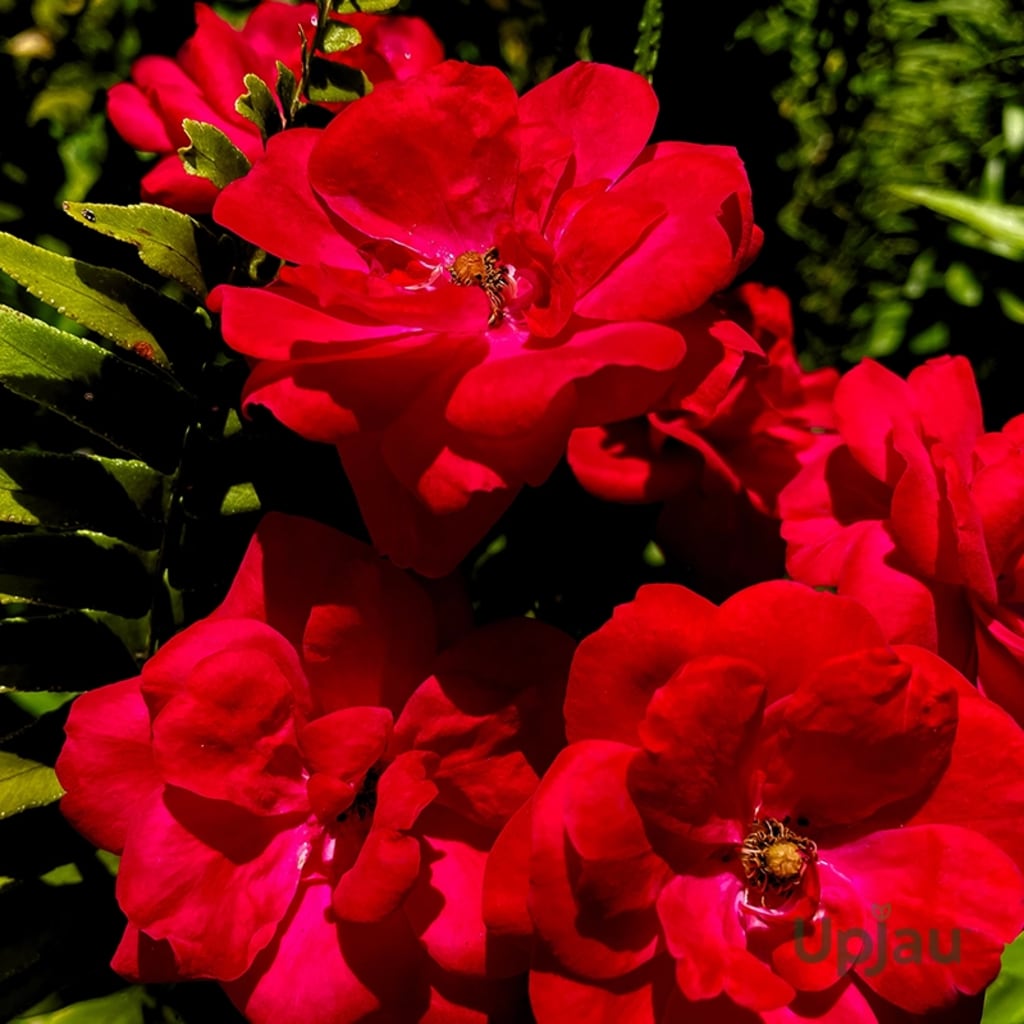
Among these are the Calla lily bulbs and Kashmiri rose plants. Both of these plants are popular in horticulture due to their remarkable beauty and symbolism, and they continue to grace gardens, homes, and ceremonial settings worldwide. This article explores the growth, care, and significance of Calla lilies and Kashmiri roses, detailing their origins, characteristics, and how to nurture them for optimal growth.
Calla Lily Bulbs: An Elegant Garden Addition
Origins and Symbolism
Calla lilies, scientifically known as Zantedeschia, originate from southern Africa. These stunning plants, known for their sleek, trumpet-like shape, are often associated with purity, beauty, and elegance. Historically, they have been used in various ceremonial contexts, from weddings to funerals, symbolizing both life and rebirth.
Physical Characteristics
The Calla lily is distinct in its appearance. It features a spathe, which is a large petal-like structure, and a central spike known as the spadix. The colors of Calla lilies can vary from classic white to shades of pink, yellow, and even purple, making them versatile for decorative purposes. The plant's leaves are lush and green, often with attractive white spots.
Growing Calla Lilies from Bulbs
Growing Calla lilies begins with planting their bulbs, or more precisely, their rhizomes. The process is straightforward, making them an excellent choice for gardeners of all levels.
Planting Time: The ideal time to plant Calla lily bulbs is in the spring, once the risk of frost has passed. In colder climates, gardeners should wait until temperatures consistently stay above 50°F (10°C).
Location: Calla lilies thrive in warm, sunny spots but can tolerate partial shade. The location should receive at least 6 hours of sunlight per day to encourage healthy blooming.
Soil Requirements: These flowers prefer moist, well-draining soil with a slightly acidic to neutral pH level. Adding organic matter like compost or well-rotted manure enhances soil fertility and helps retain moisture, which is crucial for Calla lilies' growth.
Watering: Calla lilies enjoy consistently moist soil, especially during their growing season. Regular watering is essential, but overwatering can lead to root rot, so ensuring proper drainage is key.
Fertilization: To encourage strong and vibrant blooms, Calla lilies benefit from regular feeding. A balanced, water-soluble fertilizer applied every two weeks during the growing season helps maintain their health and encourages abundant flowering.
Care and Maintenance
Calla lilies are relatively low-maintenance once established. They can tolerate a range of conditions but perform best in humid environments with ample water. As the plant matures, removing any spent blooms can promote continuous flowering. In colder climates, Calla lily bulbs can be lifted and stored indoors during the winter months to protect them from freezing temperatures. Store the bulbs in a cool, dry place and replant them the following spring.
Kashmiri Rose Plants: A Fragrant and Exquisite Beauty
Origins and Cultural Significance
The Kashmiri rose, a variety of the traditional rose, is native to the Kashmir Valley in India. Renowned for its intense fragrance and deep red color, the Kashmiri rose holds a special place in South Asian culture, where it is often used in religious ceremonies, weddings, and in the production of perfumes and essential oils. In Kashmir, the cultivation of roses has been part of the local floriculture industry for centuries, contributing to the region’s identity as a paradise of flowers.
Physical Characteristics
The Kashmiri rose is prized for its large, full blooms and strong fragrance. The flowers are usually a deep red, though they can also appear in pink or white varieties. The plant itself is a robust, bushy shrub with thorny stems and dark green leaves.
Growing and Caring for Kashmiri Roses
Planting: To successfully grow Kashmiri roses, selecting a location with full sun exposure is crucial. Roses require at least 6-8 hours of sunlight each day to flourish. However, in extremely hot climates, some afternoon shade can be beneficial to prevent the flowers from scorching.
Soil Requirements: Like Calla lilies, Kashmiri roses prefer well-draining soil enriched with organic matter. Loamy soil with good aeration is ideal for their roots. A slightly acidic pH (around 6.5) is optimal for roses, as it encourages better nutrient absorption.
Watering: Roses need regular watering, especially during dry spells. Deep watering encourages roots to grow downwards, making the plant more drought-resistant in the long run. However, overwatering or waterlogged soil can lead to fungal diseases and root rot, so it’s important to maintain a balance.
Pruning: Regular pruning is an essential aspect of rose care. Removing dead or diseased stems and spent blooms encourages the plant to direct its energy towards producing new flowers. In early spring, a more substantial pruning can help shape the plant and remove any old wood.
Fertilization: Kashmiri roses benefit from regular feeding throughout their growing season. Fertilizers rich in potassium and phosphorus promote healthy flowering, while nitrogen ensures lush foliage growth. Organic fertilizers such as bone meal or compost can be added to the soil for a more natural approach to feeding.
Pest and Disease Management
Roses, including the Kashmiri variety, are susceptible to pests like aphids, spider mites, and diseases such as powdery mildew and black spot. Regular monitoring, good air circulation, and maintaining proper hygiene in the garden can help prevent these problems. Organic solutions such as neem oil sprays or insecticidal soaps can effectively manage pest issues without harming beneficial insects.
Uses and Benefits of Calla Lilies and Kashmiri Roses
Calla Lilies in Decoration and Symbolism
Calla lilies are widely used in floral arrangements, particularly in weddings and formal events, due to their clean, elegant shape. White Calla lilies symbolize purity and innocence, while the more colorful varieties convey different meanings, such as passion or gratitude. Their long stems and striking appearance make them a favorite for bouquets, centerpieces, and even in religious and funerary arrangements.
Kashmiri Roses in Perfumery and Cosmetics
Kashmiri roses are renowned for their strong fragrance, which makes them highly sought after in the perfume industry. Rose oil, extracted from the petals, is a key ingredient in many luxury perfumes. Additionally, rose water, a byproduct of rose oil distillation, is commonly used in skincare products for its soothing and hydrating properties.
In Kashmir, rose cultivation is an integral part of the local economy, with roses being used to produce essential oils, attars (traditional perfumes), and even in culinary applications like rose petal jam (gulkand).
Both Calla lily bulbs and Kashmiri rose plants offer beauty and grace to any garden or indoor setting. While Calla lilies impress with their minimalist elegance and ease of care, Kashmiri roses captivate with their rich color and heady fragrance. Whether grown for their aesthetic appeal or their practical uses in perfumery and skincare, these plants continue to enchant gardeners and flower enthusiasts around the world. With the right care and conditions, they can flourish in a variety of climates, bringing a touch of sophistication and natural beauty to any space.
The above content is written with the help of CHATGPT AI
About the Creator
Upjau
Upjau stands out as the best online plant nursery in India, offering a diverse selection of plants, seeds, and bulbs delivered conveniently to your doorstep.
The Day the Sky Turned Violet
It began quietly, almost imperceptibly. Early one morning, townspeople noticed the sky had taken on a strange shade—soft at first, a pale lavender that glimmered at sunrise. By midday, it deepened into a surreal violet, casting everything in unnatural light. Birds flew erratically, as if confused by the altered hue, and even the wind seemed hesitant, brushing through streets without its usual rhythm. People stepped outside, phones in hand, snapping pictures and sharing posts online. At first, scientists dismissed it as a rare atmospheric anomaly. But the unusual sky was only the beginning.
By Sudais Zakwanabout an hour ago in Earth
The Right Plant, Right Place: The First Rule of a Thriving Garden
This principle is the cornerstone of sustainable, low-maintenance, and thriving gardens. It means choosing plants that are naturally adapted to the specific conditions of your garden, rather than constantly battling to change your garden to suit the plants. When you follow this rule, you work with nature, not against it, leading to a healthier ecosystem and more time enjoying your garden rather than nursing it.
By Emma Wallace2 days ago in Earth


Comments