
Will Water Become a Trade Commodity in the Future?
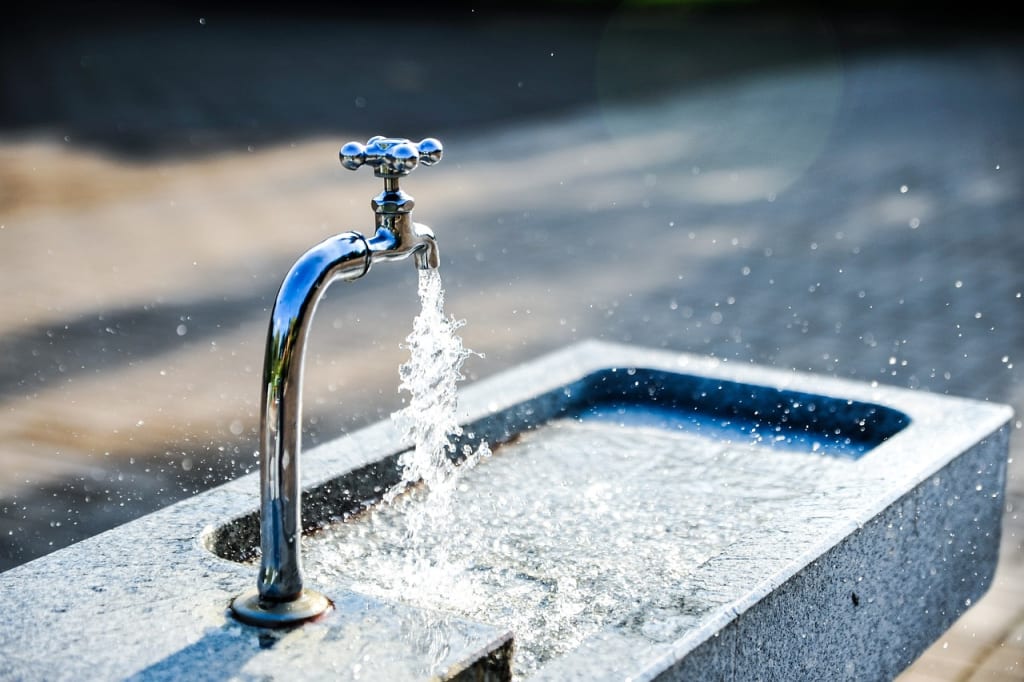
In a world where climate change threatens to reshape our relationship with natural resources, one question looms large: Will water, the very essence of life, become a tradable commodity like oil and metals?
The answer may surprise you, and its implications could reshape economies, policies, and our daily lives in ways we've only begun to imagine.
The Growing Water Crisis
As we stand on the precipice of a global water crisis, the reality of water scarcity is becoming increasingly apparent:
• Over 2 billion people lack access to safely managed drinking water services
• By 2025, half of the world's population will be living in water-stressed areas
• Agriculture consumes 70% of the world's freshwater supply
These stark facts paint a picture of a resource under immense pressure, one that may soon transition from a public utility to a prized commodity.
The Commodification of Water: A Controversial Shift
Water as a Human Right vs. Economic Good
The debate over water's status as a basic human right or an economic good has raged for decades.
On one side, advocates argue that access to clean water is a fundamental human right.
On the other, economists and some policymakers contend that treating water as a commodity could lead to more efficient allocation and conservation.
This tension sets the stage for a potential future where water is traded on global markets, much like oil or precious metals.
The Role of Water Companies and Utilities
As the landscape shifts, traditional water utilities and emerging water companies find themselves at a crossroads:
• Public water departments face increasing pressure to modernize infrastructure and ensure supply
• Private water companies see opportunities in water-stressed regions, offering solutions like desalination and advanced filtration
• Innovative startups are developing technologies to extract water from unlikely sources, such as air moisture
The interplay between these entities will shape the future of water distribution and potentially its status as a tradable commodity.
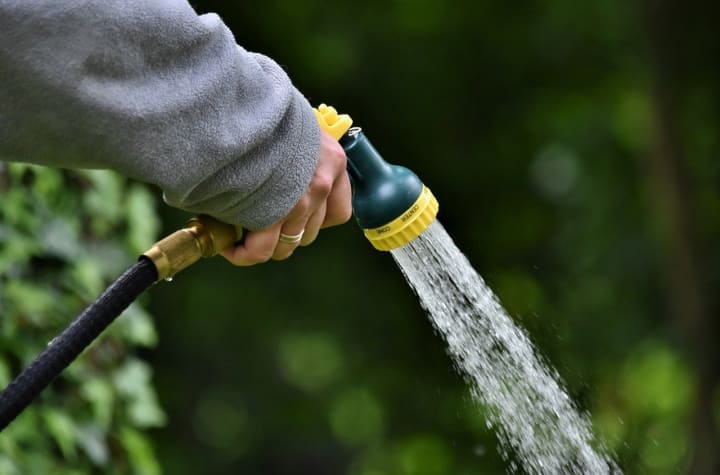
The Water Service Industry: Adapting to a New Reality
As water scarcity becomes more prevalent, the water service industry is evolving to meet new challenges:
1. Advanced Treatment Technologies
◦ Desalination plants are becoming more efficient and cost-effective
◦ Nanotechnology is revolutionizing water purification processes
2. Smart Water Management
◦ IoT sensors and AI are optimizing water distribution networks
◦ Predictive maintenance reduces water loss from aging infrastructure
3. Decentralized Solutions
◦ Point-of-use filtration systems are gaining popularity in urban areas
◦ Rainwater harvesting and greywater recycling are becoming mainstream
These advancements are not only addressing scarcity but also potentially paving the way for water to be treated as a valuable, tradable resource
The Well Drilling Boom: Tapping into Hidden Reserves
As surface water sources become strained, well drilling has seen a resurgence:
• Groundwater extraction is increasing in water-stressed regions
• Advanced drilling techniques allow access to deeper aquifers
• Concerns over aquifer depletion are driving conversations about sustainable management
The race to tap into underground water reserves mirrors the early days of oil exploration, hinting at water's potential future as a traded commodity.
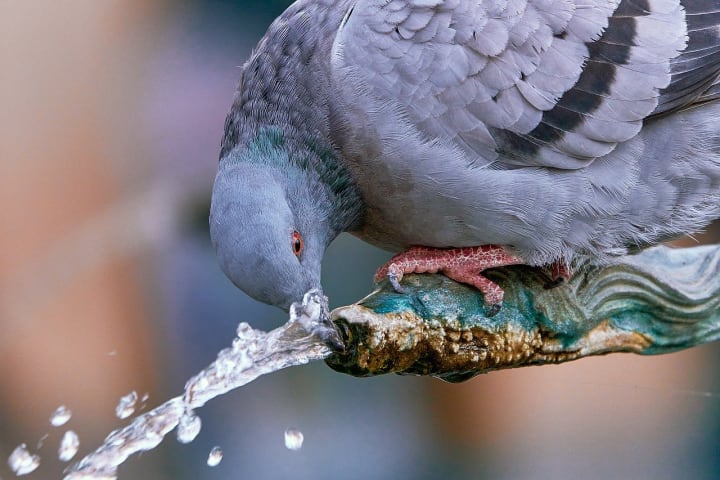
Hard Water: A Challenge and Opportunity
The prevalence of hard water in many regions presents both challenges and opportunities:
• Hard water can damage pipes and appliances, increasing maintenance costs
• Water softening technologies are in high demand, creating new market opportunities
• The minerals in hard water, once removed, could become valuable byproducts in a water-as-commodity future
Aqua Water: From Luxury to Necessity?
The bottled water industry, once seen as a luxury, is now a global phenomenon:
• Bottled water sales continue to rise, even in regions with safe tap water
• Premium "aqua" brands command high prices, suggesting consumers already view water as a valuable commodity
• Critics argue that the bottled water industry contributes to plastic pollution and exacerbates water scarcity
The success of bottled water may be a harbinger of water's future as a traded commodity on a much larger scale.
The Future of Water Trading
As we look to the future, several factors could contribute to water becoming a globally traded commodity:
1. Climate Change Impact
◦ Increasing droughts and changing precipitation patterns will create water "haves" and "have-nots"
◦ Cross-border water transfers may become necessary, facilitated by a global water market
2. Technological Advancements
◦ Improved water transportation methods could make long-distance water transfers feasible
◦ Blockchain technology could enable transparent and efficient water rights trading
3. Economic Pressures
◦ Water-intensive industries may drive demand for water trading to secure their supply chains
◦ Countries with abundant water resources may see economic opportunities in water exports
4. Policy Shifts
◦ International agreements on water rights and trading could lay the groundwork for a global water market
◦ Carbon trading markets could serve as a model for water credit systems
WATCH VIDEO
Key Takeaways
• Water scarcity is driving innovation in the water service industry and well drilling sector
• The commodification of water is a contentious issue with far-reaching implications
• Technological advancements are reshaping our relationship with water resources
• Hard water challenges are creating new market opportunities
• The bottled water industry may be a precursor to larger-scale water trading
This Report about Water Sends Shockwaves Through The World Population ..

The Human Element: A Personal Observation
As someone who has studied water resources for years, I can't help but feel a mix of concern and cautious optimism about water's potential future as a traded commodity. While market forces could drive innovation and efficiency, we must never lose sight of water's fundamental role in sustaining life and ecosystems.
The path forward will require a delicate balance between economic realities and ethical considerations. As we navigate this complex issue, one thing is clear: our relationship with water is changing, and we must be prepared to adapt.
Will water become a trade commodity like oil and metals? The answer remains uncertain, but the question itself is reshaping our world. As we face this watery future, our decisions today will ripple through generations to come.



Comments
There are no comments for this story
Be the first to respond and start the conversation.