
Innovation in Aquaculture: Navigating the Future of the Tilapia Industry
Sustainable Solutions, Smart Technologies, and Market Trends Shaping the Next Generation of Tilapia Farming

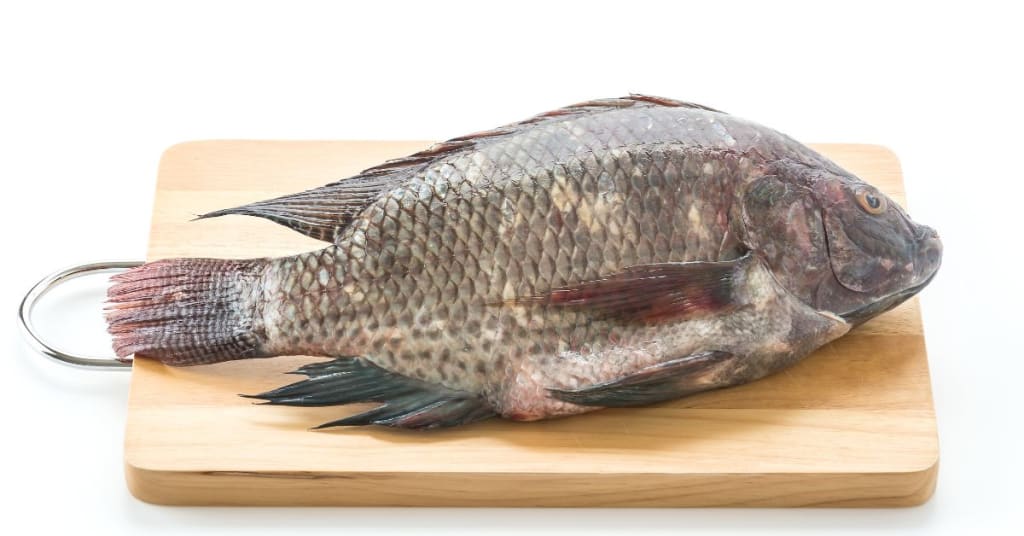
The 2026 Global Protein Challenge reflects on this, as conventional livestock producers already approach resource limits, and the aquaculture industry is well positioned for the filling of the gap for sustainable protein. Tilapia anchors the "Blue Revolution". This unique species is highly adaptable and productive and provides a key contribution to global food security.
Facilities ranging from high-tech hatcheries in Vietnam to new genetic research and breeding centers in Brazil are key players in a technology revolution in aquaculture to produce ever more with ever less and make high quality protein available to a growing global population while preserving fragile ecosystems in freshwater and marine environments around the world. This article examines innovation, partnerships and sustainability efforts in the search to protect this globally important aquatic resource.
The Genetic Frontier: Building a More Resilient Species
An overarching theme of early 2026 is "Precision Genetics". For much of the sport's early evolution, breeding was trial and error, which took years. Today, a single generation is leapfrogging over decades of breeding by making use of genomic technology.
Brazil’s National Germplasm Bank
On 19 January 2026, Brazil opened its first full Nile Tilapia germplasm bank. The fisheries institute IP-Apta created the "living archive" to conserve the genetic material for Nile Tilapia populations from Brazil's various production locations.
Climate Adaptation: Researchers are currently working upon breeding lines that better tolerate the colder winters of Southern Brazil and the salinity of the Northeast.
Increased Yield: Molecular markers are also in use to improve a fish's fillet-to-bone ratio which results in direct economic gains for local producers..
Disease Resistance: The germplasm bank naturally resists pathogens, such as Streptococcus, through capture and helps reduce the need for antibiotics in the ponds.
The Rise of Gene Editing
In addition to conventional breeding, companies in South America have developed the world's first gene-edited Tilapia, with faster-growing fish showing unprecedented efficiencies of conversion of feed to protein by targeting specific genes responsible for the growth of muscle in the fish. The grow-out time can be shorter by about 20%, so more harvest cycles are possible in a year, and farming operations become more productive.
Strategic International Partnerships: The Vietnam-US Initiative
Geopolitical influences and supply chain logistics will affect the development of the industry. In January 2026, the United States and Vietnam forged a historic partnership on the importance of secure and transparent supply chains.
The US-Vietnam Aquaculture Value Chain Partnership
As part of the US Food for Progress Program, Vietnam is undergoing a US$15.2 million Food Production Capacity Enhancement project with four components.
Ambitious Production Targets: The initiative aims to push Vietnam’s output to 1.21 million tonnes over the next five years, solidifying its place as a top-tier global supplier.
Sustainable Feed Integration: A major component is the integration of high-quality, sustainable US soybean meal into Vietnamese aquaculture feeds. This move replaces less efficient or environmentally damaging wild-catch fishmeal.
Blockchain Traceability: The project implements digital tracking, ensuring that every fillet exported to North America can be traced back to its specific hatchery. This transparency is vital for maintaining consumer trust in international trade.
The Tech Revolution: AI, IoT, and Biofloc Systems
To meet rising global fish consumption without depleting freshwater, the sphere is turning to intensive "smart" farming systems that preserve good environmental conditions for fish even at high stocking densities.
Biofloc Technology (BFT)
Biofloc has emerged as an innovative method for sustainably strengthening aquaculture. The biomass from helpful microbial communities recycles waste products into high-protein feed for fish and crustaceans.
Water Conservation: BFT systems can reduce water exchange by up to 90%, making Tilapia farming viable in inland or arid regions where water is a scarce commodity.
Growth Acceleration: Recent data from early 2026 shows that fish raised in Biofloc environments exhibit significantly faster growth rates due to the constant availability of supplemental microbial protein.
Waste Management: The system naturally processes nitrogenous waste, turning a potential pollutant into a nutritional asset for the farm.
The Integration of AI and IoT
At India's Matsya Prani Samavesh (fish farmers meet) in January 2026, it was reported that even small farmers are adopting IoT sensors to measure DO, pH and ammonia levels, with real-time data transfer.
These systems are based on artificial intelligence which automatically adjusts the aeration or feeding when parameters move outside acceptable ranges. These "Smart Farming" systems minimize human error and mass-mortality events. Such incidents have historically been a meaningful problem for the global industry.
Evolving Farming Infrastructure: Traditional vs. Modern RAS
Fish farming infrastructure is now in transition from open ponds to Recirculating Aquaculture Systems (RAS), though the market remains dominated by open pond systems.
Water Management: Traditional ponds require continuous water exchange, which can strain local resources. Modern RAS facilities recycle up to 95% of their water, filtering out impurities and maintaining a closed-loop system.
Biosecurity Levels: Open ponds are vulnerable to runoff, wild birds, and external pathogens. In contrast, RAS offers a highly controlled environment where biosecurity is strictly managed, almost eliminating the risk of outside infection.
Space Efficiency: Traditional farming requires extensive land area. Modern facilities are compact and "urban-ready," allowing production to happen closer to major cities, which reduces transportation costs and carbon footprints.
Predictability: Because every environmental factor—from temperature to light cycles—is controlled in a modern facility, producers can predict their harvest dates with incredible accuracy, ensuring a steady supply for the sector.
Consumer Trends: Value-Added Products and Sustainability
As a result, the health and environmental consideration of the 2026 consumer has already changed how Tilapia is harvested and traded worldwide.
The Shift to Processed Goods
While whole fish remain popular in domestic Asian and African settings, the international trade is now dominated by "value-added" products.
Premium Fillets: Skinless, boneless frozen fillets have seen a massive surge in popularity in western retail stores.
Ready-to-Eat Options: Pre-seasoned, vacuum-packed, and microwave-ready portions are catering to the time-pressed modern shopper.
By-Product Innovation: Processors are now utilizing fish scales and skin to produce high-quality collagen for the beauty industry, creating a zero-waste "circular" business model that increases the overall value of each harvest.
Certifications as a Standard
Sustainability is no longer a marketing gimmick, but has become a license to operate. European and UK retailers have almost entirely moved to sourcing from farms with ASC or BAP certification. The standards guarantee no preventative antibiotics were used and the farm abides by fair labor practices.
The Regional Outlook: Africa and India’s Rise
While China and Indonesia remain production giants, the most exciting growth in 2026 is occurring in emerging regions that are just beginning to tap into their potential.
Sub-Saharan Africa: Nations like Uganda and Rwanda are establishing "Aquaculture Parks." By utilizing cage culture on Lake Victoria, they are empowering local communities and creating thousands of jobs in the rural segment.
India’s Saline Revolution: The Indian sector is currently utilizing inland saline water—land that was previously unfit for traditional agriculture—to create productive fish ponds. This has turned "waste land" into a high-revenue resource for farmers in regions like Haryana and Punjab.
Conclusion: A Resilient Future
With genetic innovation, cross-border collaboration, and the internalization of new production technologies, the Tilapia industry is leading the way to show it is possible to feed growing populations with minimum environmental impact.
With these doors opening thanks to the combination of smart technology and sustainable biological systems, the future for the species over the rest of 2026 will be one of the leading options for global protein production. The future is looking up for producers, exporters and consumers alike.
About the Creator
Rahul Pal
Market research professional with expertise in analyzing trends, consumer behavior, and market dynamics. Skilled in delivering actionable insights to support strategic decision-making and drive business growth across diverse industries.
Global Polyethylene Market Size and Forecast 2025–2033: Growth Driven by Packaging, Infrastructure, and Sustainable Innovation
Introduction Polyethylene, the world’s most widely produced plastic polymer, continues to play a crucial role in modern industrial and consumer economies. From food packaging and construction materials to agricultural films and automotive components, polyethylene is deeply embedded in everyday life. Its lightweight nature, durability, versatility, and cost-effectiveness make it indispensable across numerous industries.
By Marthan Sir2 days ago in Earth
Why Greenland Matters for a Warming World
Greenland, the world’s largest island, often conjures images of endless ice, rugged landscapes, and isolation. Yet in the era of climate change, Greenland has become far more than a frozen wilderness—it is a critical player in understanding global warming, rising seas, and even geopolitical strategy. As scientists, policymakers, and nations increasingly focus on Greenland, the island offers a stark lesson: what happens in the Arctic does not stay in the Arctic. Its ice sheets, ecosystems, and resources affect the planet in ways that are profound, urgent, and far-reaching. Greenland’s Ice Sheets and Global Sea Levels The most visible and alarming aspect of Greenland’s global impact is its melting ice sheets. Greenland contains roughly 8% of the world’s fresh water, stored in massive ice sheets covering more than 1.7 million square kilometers. Over the past two decades, studies have shown that Greenland is losing ice at accelerating rates. According to NASA and the European Space Agency, Greenland’s ice loss contributes about 0.7 millimeters per year to global sea level rise. That might seem small, but every millimeter counts. If Greenland’s ice sheets were to melt completely—a scenario scientists consider extreme but possible under prolonged warming—sea levels could rise by over 20 feet, inundating coastal cities and displacing hundreds of millions of people worldwide. The ice melt also affects ocean currents and weather patterns. Freshwater from Greenland flows into the North Atlantic, disrupting the Atlantic Meridional Overturning Circulation (AMOC), a crucial component of the global climate system. Changes here could mean more severe storms in Europe, shifting monsoons in Asia, and hotter summers in North America. A Rapidly Warming Arctic Greenland is warming twice as fast as the global average. Scientists attribute this to Arctic amplification, where ice and snow loss reduce the Earth’s reflectivity (albedo), causing more heat absorption. The resulting feedback loop accelerates melting and affects local wildlife, indigenous communities, and global climate systems. Polar bears, Arctic foxes, seals, and migratory birds all face habitat changes, while Greenlandic communities see challenges in fishing, hunting, and infrastructure. Roads, airstrips, and settlements are increasingly vulnerable to permafrost thaw, floods, and landslides. For climate scientists, Greenland acts as a bellwether of global change, providing early warnings of trends that could eventually affect all continents. Greenland’s Geopolitical Significance Beyond climate, Greenland is gaining strategic attention from nations worldwide. Its location between North America and Europe, combined with its ice-free ports emerging in summer, makes it a hub for shipping, scientific research, and military strategy. The United States has historically maintained a military presence at Thule Air Base and monitors Greenland’s importance in Arctic defense. China has expressed interest in Arctic shipping lanes and mining opportunities, signaling potential economic and strategic competition. Denmark and Greenlandic authorities are navigating autonomy, resource development, and environmental protection, balancing sovereignty with global pressures. The melting ice, paradoxically, opens opportunities for mineral exploration, shipping, and scientific access, even as it poses serious environmental risks. Greenland has large deposits of rare earth minerals, uranium, and iron, all increasingly valuable in the global transition to clean energy and technology. Local Communities and Indigenous Voices The Greenlandic Inuit and other local communities are directly experiencing climate change. Traditional hunting and fishing practices are affected by shifting ice patterns, changing animal migration, and unpredictable weather. While global attention often focuses on ice melt and global impact, local voices emphasize sustainability, cultural preservation, and adaptive strategies. Many communities are exploring renewable energy, eco-tourism, and sustainable fisheries as ways to protect livelihoods while mitigating climate risks. Greenland and Global Climate Policy Greenland’s situation highlights the urgency of global action on climate change. The island illustrates several key lessons: Mitigation Matters: Reducing greenhouse gas emissions is critical to slowing ice loss and protecting sea levels. Adaptation Is Essential: Coastal cities worldwide must prepare for rising waters and changing weather patterns driven by Arctic changes. Scientific Research Is Vital: Greenland serves as a natural laboratory for studying climate, ice dynamics, and ocean circulation. Understanding its trends allows for more accurate modeling and forecasting worldwide. International collaboration, including research partnerships and climate agreements, is essential to ensure that Greenland’s ice sheets do not become a catastrophic tipping point. The Global Ripple Effect It’s easy to think of Greenland as distant, but its fate touches everyone: Rising seas threaten cities from New York to Tokyo. Ocean currents shifting from ice melt influence global climate patterns. Economic implications arise from shipping routes, resource access, and disaster mitigation costs. Greenland is not just an Arctic concern—it’s a global responsibility. How countries respond to its changes will influence the world for decades to come. Conclusion: Why the World Should Watch Greenland Greenland matters because it is a microcosm of our planet’s challenges. Its melting ice sheets remind us that climate change is already here. Its mineral wealth and strategic position show that human interests will increasingly collide with environmental imperatives. Its communities illustrate the human cost of warming and the resilience needed to adapt. For a warming world, Greenland is both a warning and a guidepost. Protecting its environment, respecting its people, and monitoring its ice are not just Arctic issues—they are global imperatives. The world cannot afford to ignore Greenland. Its future is inextricably linked to the health of our planet and the security, prosperity, and safety of populations everywhere.
By Muhammad Hassan6 days ago in Earth


Comments
There are no comments for this story
Be the first to respond and start the conversation.