
Is Climate Change a Real Threat, or Is It Overhyped?
A Deep Dive Into the Science, Impact, and Future of Our Changing Climate
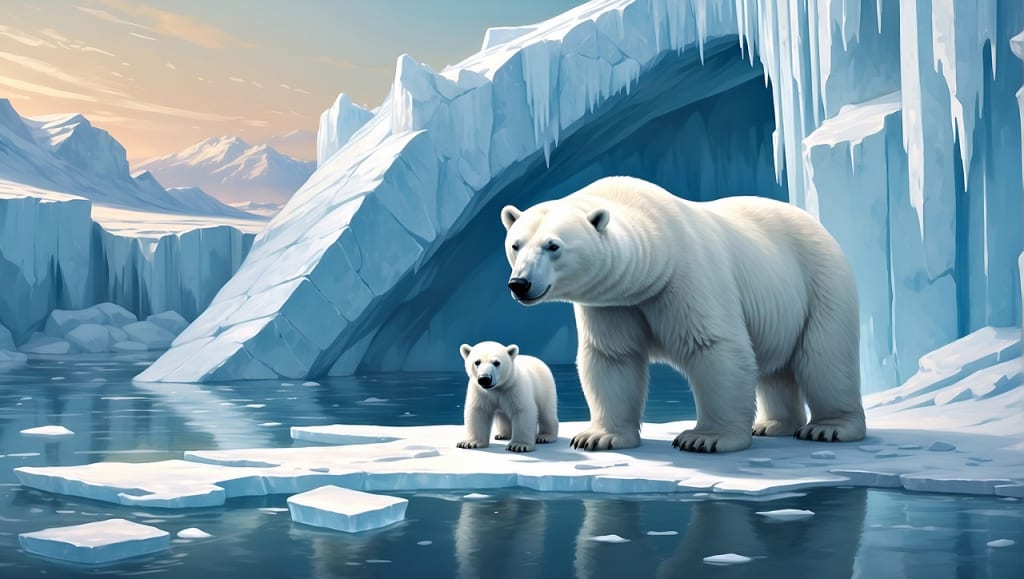
Imagine witnessing the last male northern white rhinoceros taking its final breath, not from poaching, but because its habitat became uninhabitable due to climate change. This isn't a hypothetical scenario – it's the kind of reality our planet faces as global temperatures continue to rise. The debate over whether climate change poses a real threat or is merely overhyped has evolved from scientific discussions to one of the most pressing issues of our time.
The Science Behind Climate Change: Understanding the Basics
The Greenhouse Effect and Global Warming
At its core, climate change stems from a simple but powerful mechanism. When sunlight reaches Earth, some energy reflects into space, while some remains trapped by greenhouse gases, warming our planet. This natural process has kept Earth habitable for millions of years. However, human activities since the Industrial Revolution have dramatically increased greenhouse gas concentrations, intensifying this effect.
Key Statistics That Define Our Climate Crisis
Recent climate change reports reveal alarming trends:
• Carbon dioxide levels have increased by 48% since pre-industrial times
• The planet has warmed by approximately 1.1°C in the same period
• 2023 was the hottest year on record
• Ocean temperatures have reached unprecedented highs
• Arctic sea ice is declining at a rate of 13% per decade
10 Effects of Global Warming: A Deeper Look
1. Rising Seas and Coastal Flooding
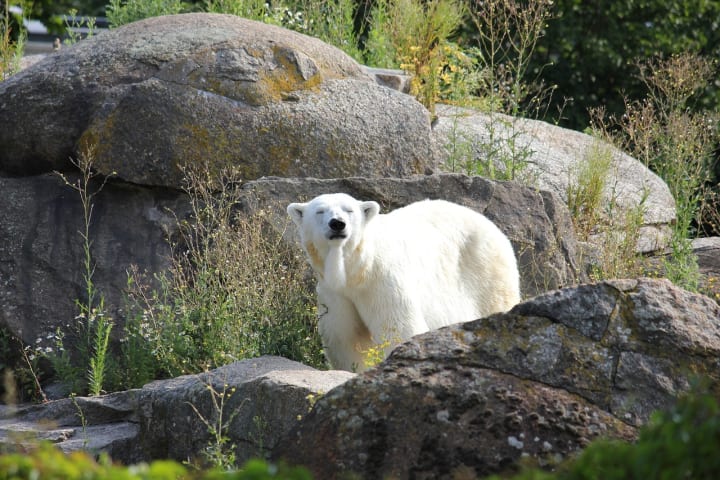
The threat of sea level rise isn't a future concern – it's happening now. By 2100, global sea levels could rise by up to one meter, threatening:
• 800 million people living in coastal areas
• Major metropolitan cities like New York, Shanghai, and London
• Island nations facing complete submersion
• Critical infrastructure worth trillions of dollars
2. Extreme Weather Events
Climate change acts as a "threat multiplier," making weather events more severe:
• Hurricanes draw more energy from warmer oceans
• Heat waves last longer and occur more frequently
• Rainfall patterns become more erratic
• Drought conditions intensify in vulnerable regions
3. Biodiversity Loss
The climate crisis is accelerating what scientists call the "sixth mass extinction":
• One million species face extinction risk
• Ecosystems are transforming faster than species can adapt
• Coral reefs could disappear by 2050
• Arctic species lose vital sea ice habitat
4. Agricultural Disruption
Global food security faces unprecedented challenges:
• Crop yields could decrease by up to 25% by 2050
• Traditional growing regions become unsuitable for certain crops
• New pests and diseases emerge in previously unaffected areas
• Soil degradation accelerates due to extreme weather
5. Water Crisis
Climate change severely impacts global water resources:
• Two-thirds of the world's glaciers could disappear by 2100
• Water scarcity could affect 5 billion people by 2050
• Groundwater depletion accelerates in drought-prone regions
• Water conflicts become more likely between nations
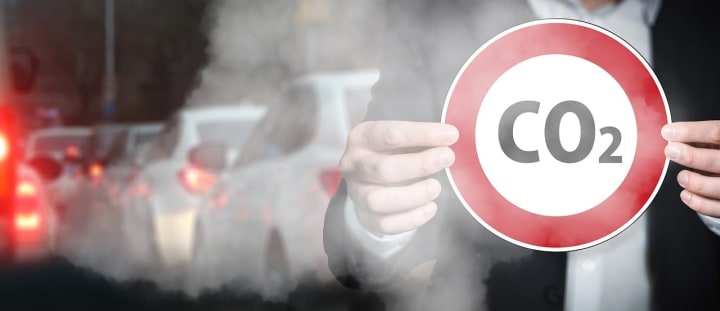
6. Health Implications
The effects of global warming on human health are extensive:
• Heat-related deaths increase globally
• Vector-borne diseases spread to new regions
• Air quality deteriorates in urban areas
• Mental health impacts from climate anxiety and displacement
7. Economic Impact
The financial consequences of climate change are staggering:
• Global GDP could decrease by 10% by 2050
• Insurance losses from natural disasters break records annually
• Climate refugees could number 1 billion by 2050
• Infrastructure damage costs trillions in repairs
8. Arctic Transformation
The Arctic region serves as an early warning system:
• Permafrost thaw releases additional greenhouse gases
• Indigenous communities lose traditional ways of life
• New shipping routes open, creating geopolitical tensions
• Ecosystem collapse threatens global weather patterns
9. Ocean Systems Disruption
Our oceans face multiple challenges:
• Acidification threatens marine food webs
• Fish populations migrate to cooler waters
• Coral bleaching events become more frequent
• Ocean currents show signs of destabilization
10. Social and Political Consequences
Climate change amplifies existing social issues:
• Resource conflicts increase
• Climate refugees strain international relations
• Environmental justice concerns grow
• Political polarization over climate action intensifies
The Role of Climate Change Organizations
International Bodies
Major organizations leading the fight against climate change:
1. United Nations Framework Convention on Climate Change (UNFCCC)
◦ Coordinates international climate action
◦ Organizes annual COP meetings
◦ Monitors national commitments
2. Intergovernmental Panel on Climate Change (IPCC)
◦ Provides scientific assessments
◦ Informs policy decisions
◦ Projects future scenarios
3. Green Climate Fund
◦ Finances adaptation projects
◦ Supports developing nations
◦ Promotes technology transfer
Non-Governmental Organizations
NGOs play crucial roles in:
• Public awareness campaigns
• Local project implementation
• Policy advocacy
• Scientific research
• Community engagement

Addressing Climate Change Skepticism
Common Myths Debunked
1. "It's just natural variation"
◦ Current changes exceed natural cycles
◦ Rate of warming is unprecedented
◦ Natural factors alone cannot explain observed changes
2. "Scientists disagree"
◦ 97% consensus among climate scientists
◦ Major scientific organizations worldwide confirm human-caused climate change
◦ Disagreements mainly about specific impacts and timelines
3. "It's too expensive to fix"
◦ Cost of inaction exceeds prevention
◦ Green technologies become increasingly affordable
◦ Climate action creates economic opportunities
Solutions and Path Forward
Individual Actions
Everyone can contribute through:
1. Sustainable Lifestyle Choices
◦ Renewable energy adoption
◦ Reduced meat consumption
◦ Efficient transportation
◦ Waste reduction
2. Consumer Decisions
◦ Support eco-friendly businesses
◦ Choose sustainable products
◦ Reduce single-use plastics
◦ Invest responsibly
Collective Actions
Broader initiatives include:
1. Policy Changes
◦ Carbon pricing
◦ Renewable energy incentives
◦ Building efficiency standards
◦ Transportation electrification
2. Business Transformation
◦ Corporate sustainability goals
◦ Clean energy transition
◦ Circular economy adoption
◦ Supply chain optimization
The Future Outlook
Best-Case Scenario
If we act decisively:
• Limited warming to 1.5°C
• Successful adaptation strategies
• Technological breakthroughs
• Strengthened international cooperation
Worst-Case Scenario
Without significant action:
• Catastrophic warming beyond 3°C
• Irreversible tipping points
• Mass displacement
• Ecosystem collapse
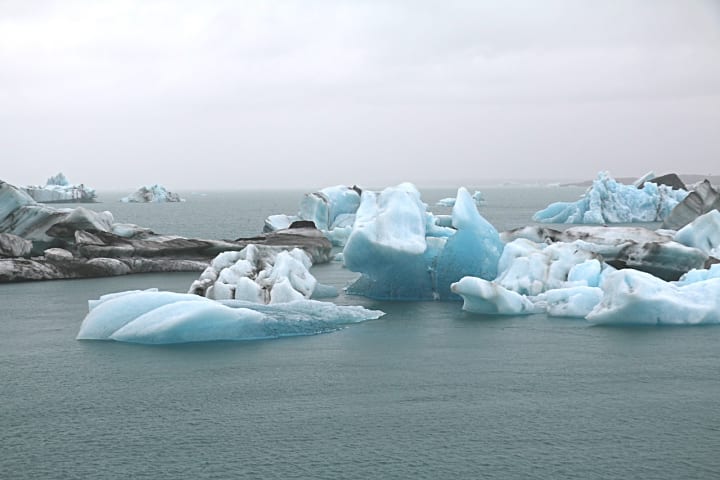
Conclusion
The evidence overwhelmingly shows that climate change is not only real but represents one of the most significant threats to human civilization. The question isn't whether it's overhyped, but rather how quickly we can mobilize to address it. While the challenges are immense, solutions exist and are becoming more viable each year. Our actions today will determine the world our children inherit tomorrow.
126 Forgotten Survival Foods That You Should Add to Your Stockpile --> https://bit.ly/forgotten-survival-foods
Write your opinion about this question in the comments section!
Resources and References for Climate Change Article
Scientific Organizations and Research Institutions
Primary Data Sources
1. Intergovernmental Panel on Climate Change (IPCC)
◦ Sixth Assessment Report (AR6, 2021-2022)
◦ Special Report on Global Warming of 1.5°C Website: www.ipcc.ch
2. NASA Global Climate Change
◦ Vital Signs of the Planet
◦ Climate Time Machine
◦ Global Temperature Data Website: climate.nasa.gov
3. National Oceanic and Atmospheric Administration (NOAA)
◦ Climate.gov
◦ Global Climate Report
◦ State of the Climate Website: www.climate.gov
4. World Meteorological Organization (WMO)
◦ State of the Global Climate Reports
◦ Greenhouse Gas Bulletin Website: public.wmo.int
Academic Institutions
5. MIT Climate Portal
◦ Climate Science
◦ Energy Systems
◦ Solution Briefs Website: climate.mit.edu
6. Berkeley Earth
◦ Temperature Data
◦ Climate Analysis Website: berkeleyearth.org
Environmental Organizations
7. Environmental Defense Fund
◦ Climate Innovation
◦ Solutions Analysis Website: www.edf.org
8. World Resources Institute
◦ Climate Watch Platform
◦ Global Forest Watch Website: www.wri.org
9. Climate Action Tracker
◦ Country Assessments
◦ Global Progress Reports Website: climateactiontracker.org
The Edison Generator!
Meet the Innovative Device Inspired by a Legendary Inventor's Vision
International Bodies and Reports
10. United Nations Environment Programme (UNEP)
◦ Emissions Gap Report
◦ Adaptation Gap Report Website: www.unep.org
11. International Energy Agency (IEA)
◦ World Energy Outlook
◦ Net Zero by 2050 Report Website: www.iea.org
Key Scientific Papers
12. Peer-Reviewed Research
◦ "Attribution of extreme weather events in the context of climate change" - National Academy of Sciences
◦ "Climate change and the global pattern of moraine-dammed glacial lake outburst floods" - The Cryosphere
◦ "Trajectories of the Earth System in the Anthropocene" - Proceedings of the National Academy of Sciences
Economic Analysis
13. World Bank Climate Change Knowledge Portal
◦ Climate Data
◦ Economic Impact Analysis Website: climateknowledgeportal.worldbank.org
14. International Monetary Fund
◦ Climate Change Reports
◦ Economic Implications Studies Website: www.imf.org/climate
Statistical Data Sources
15. Global Carbon Project
◦ Carbon Budget
◦ Emissions Data Website: www.globalcarbonproject.org
16. Climate Central
◦ Sea Level Rise Data
◦ Temperature Analysis Website: www.climatecentral.org
Additional Resources
Books
17. Key Publications
◦ "The Physics of Climate Change" by Lawrence M. Krauss
◦ "All We Can Save" edited by Ayana Elizabeth Johnson and Katharine K. Wilkinson
◦ "How to Avoid a Climate Disaster" by Bill Gates
Multimedia Resources
18. Documentaries and Visual Resources
◦ "Chasing Coral" (Netflix)
◦ "Before the Flood" (National Geographic)
◦ "Breaking Boundaries: The Science of Our Planet" (Netflix)
Educational Resources
19. Climate Literacy Materials
◦ NASA Climate Kids
◦ CLEAN Network (Climate Literacy and Energy Awareness Network)
◦ National Geographic Education
Tools and Interactive Resources
20. Climate Visualization Tools
◦ Climate Interactive Simulators
◦ En-ROADS Climate Solutions Simulator
◦ NASA's Eyes on the Earth
Note on Citations
All statistics and data points used in the article are derived from these authoritative sources. For the most current information, readers should consult these primary sources directly, as climate science and data are continuously updated.
Don't miss it: 126 Forgotten Survival Foods, That You Should Add to Your Stockpile --> https://bit.ly/forgotten-survival-foods
About the Creator
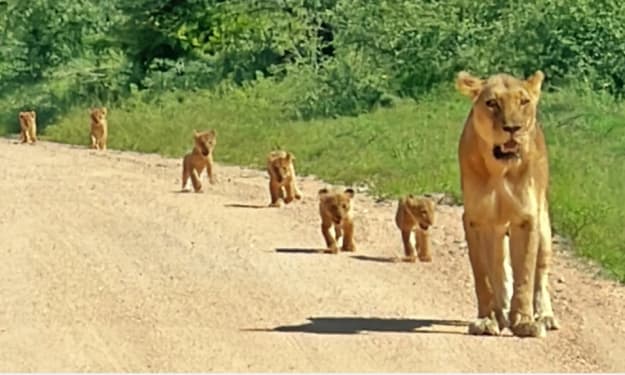
Tiny Lion Cubs Struggle To Keep Up With Mom
In the heart of the African savannah, life is a constant lesson for young animals. Few scenes are as endearing — or as heartwarming — as tiny lion cubs trying to keep pace with their mother. These little bundles of fur face a world full of challenges, from learning to hunt to avoiding dangers, all while depending on the guidance and protection of their experienced mom. Watching cubs wobble and tumble as they attempt to keep up with their mother reminds us that growing up, even in the wild, is a journey full of struggle, determination, and adorable missteps. The Early Days of Lion Cubs Lion cubs are born blind and helpless, usually in litters of two to six. For the first few weeks, they rely entirely on their mother for warmth, food, and safety. Even after opening their eyes and beginning to explore, the cubs are far from independent. The first months are crucial. Cubs learn social cues, hunting basics, and survival skills simply by watching their mother and the pride. But as anyone who has observed them knows, there’s often a huge gap between observation and action. Tiny cubs often struggle to match their mother’s pace, especially when she moves through long stretches of savannah or leads the family on patrols. A Mother’s Role in the Wild For a lioness, raising cubs is a full-time commitment. She hunts, defends her territory, and teaches her young, all while staying alert to predators such as hyenas, leopards, and even rival lions. The cubs, meanwhile, attempt to mimic her every move — often with clumsy yet charming results. A mother lion’s patience is remarkable; she frequently slows down, nudges them along, or stops to ensure no cub is left behind. These moments, while stressful for the tiny cubs, are vital learning opportunities. Struggling to Keep Up: Why It’s So Hard There are several reasons why tiny lion cubs have trouble keeping pace with their mother: Short Legs, Big Steps: Lion cubs’ legs are tiny and their coordination is limited, making it difficult to cover the same distance as an adult lioness. Curiosity: Cubs are naturally curious. A single butterfly or rustling bush can distract them, leaving mom to pause repeatedly. Energy Levels: Young lions tire quickly. Even with frequent naps, the cubs’ stamina is far lower than their mother’s. Learning Through Play: Play is not just fun; it teaches hunting, balance, and social skills. Running off to pounce on a sibling or chase an insect is all part of their education. Despite these challenges, the cubs’ determination to keep up demonstrates their resilience and growing understanding of the wild world. Lessons in Teamwork and Survival Every cub struggling to keep up is also learning crucial survival skills. The journey across the savannah is more than a test of speed — it’s a lesson in: Coordination: Cubs learn how to move efficiently across different terrains. Patience: They begin to understand the rhythms of adult life and the pace required for survival. Social Skills: Staying with the group teaches cubs how to interact with siblings and the pride, which is essential for their future roles. Observation: By following their mother, cubs study hunting techniques, territorial behavior, and predator awareness. Even the moments when cubs stumble or lag behind are essential for their development. These experiences prepare them for independence, which comes sooner than many might expect. The Cutest Moments in the Wild Anyone who has watched tiny lion cubs knows that their struggles are often irresistibly cute. Video clips from wildlife reserves frequently show cubs toddling along, tumbling over each other, or getting distracted mid-step. Observers often comment that these little stumbles reveal personality, determination, and playfulness, making them one of nature’s most heartwarming spectacles. While their mother is serious and focused, the cubs inject a sense of humor and lightness into life on the savannah. Why This Matters The struggles of lion cubs aren’t just adorable — they’re vital for understanding wildlife behavior. Conservationists and animal behaviorists use these moments to study growth patterns, social structures, and survival strategies in lion populations. These observations also highlight the importance of preserving natural habitats. Cubs must learn in a safe environment to survive; habitat loss, poaching, and climate change make these early struggles even more dangerous. Protecting the African savannah ensures that future generations of lions can experience the same lessons and playful tumbles. The Road to Independence Within a year, these tiny cubs will be more agile, faster, and more confident. By the time they reach two to three years old, males may begin to leave the pride, while females often stay and become caretakers themselves. Every misstep, tumble, and lagging moment is part of the journey toward strength, coordination, and independence. Watching them now gives us a glimpse of the challenges they will overcome, and the survival skills they will carry for life. A Celebration of Motherhood Ultimately, these scenes remind us of the incredible bond between mother and cubs. Her patience, vigilance, and teaching are the foundations of their future. The cubs’ struggles highlight the trials of growing up, while their determination showcases the resilience and beauty of wildlife. For those observing, it’s a powerful lesson in care, guidance, and perseverance, not just in lions but in the natural world as a whole. Final Thoughts Watching tiny lion cubs try to keep up with their mother is both entertaining and enlightening. It’s a story of growth, struggle, and resilience — a reminder that even the fiercest creatures start small, learning step by step. These little lions capture hearts while teaching life lessons: patience, determination, teamwork, and the importance of guidance. As they tumble and waddle across the savannah, they show us that growth is a process, one adorable misstep at a time. For wildlife enthusiasts, animal lovers, and anyone enchanted by nature, these tiny cubs are proof that even in the wild, love, care, and persistence are universal truths.
By Aarif Lashari2 days ago in Earth
Microbiota, microbiome or microflora: how to speak correctly and why it is for health.
You've probably heard the phrase, "We are what we eat." But modern science says more precisely: we are also those who live in us. Until 2016, it was believed that there are many times more bacteria in our body than our own cells. The latest calculations by mathematicians show that we divide the body with our microorganisms by about 50/50: about 30 trillion of our cells versus 38 trillion bacterial ones.
By Yaroslav Gorohov6 days ago in Earth



Comments
There are no comments for this story
Be the first to respond and start the conversation.