
Why Saudis Feel Squeezed Even as the Economy Booms
Behind Saudi Arabia’s booming economy, many citizens say daily life is getting harder and more expensive
Introduction: Boom on Paper, Pressure in Reality
Saudi Arabia’s economy is booming. Mega projects are rising from the desert, oil revenues are strong, and foreign investors are pouring money into the kingdom. Headlines talk about futuristic cities, record-breaking investments, and ambitious visions for the future.
Yet, many Saudis say they feel financially squeezed.
This paradox—an economy growing fast while people feel poorer—reveals the complex reality behind Saudi Arabia’s economic transformation. While the nation moves toward a post-oil future, ordinary citizens are struggling with rising costs, changing policies, and economic uncertainty.
Saudi Arabia’s Economic Boom: The Big Picture
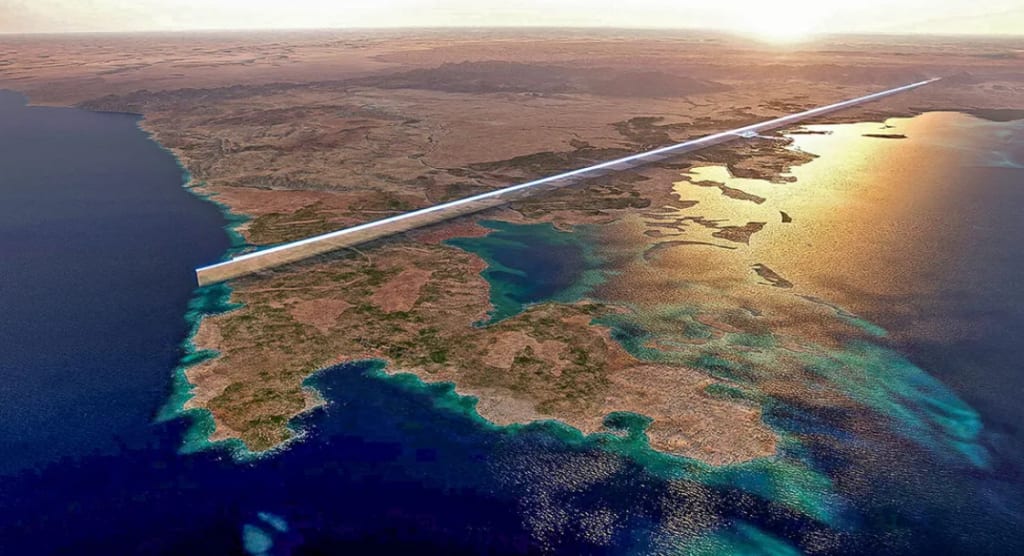
Saudi Arabia has been undergoing a massive economic transformation under Vision 2030, a plan to diversify the economy away from oil. The government is investing billions in tourism, technology, entertainment, infrastructure, and futuristic mega-projects like NEOM.
Key signs of economic growth include:
High government spending on mega projects
Increasing foreign investment
Expanding tourism and entertainment sectors
Efforts to privatize state industries
On paper, the country looks like an economic success story. But economic growth does not always translate into personal financial comfort.
Rising Costs of Living
One of the biggest reasons Saudis feel squeezed is the rising cost of living.
In recent years, the government introduced taxes and reduced subsidies that citizens had relied on for decades. Fuel prices, electricity bills, and water costs have increased. A value-added tax (VAT) was introduced and later raised, making everyday goods more expensive.
For many Saudis, especially middle-class families, these changes feel like a sudden shock after decades of low-cost living supported by oil wealth.
Subsidy Cuts and Economic Reforms
For decades, Saudi citizens benefited from generous government subsidies. Cheap fuel, free education, healthcare, and government jobs were part of the social contract between the state and citizens.
However, economic reforms are changing that model.
To reduce reliance on oil revenue, the government has:
Cut fuel and energy subsidies
Introduced taxes and fees
Encouraged private-sector employment instead of government jobs
While these reforms are necessary for long-term sustainability, they have immediate consequences for household budgets.
Job Market Pressures
Another source of pressure is the job market transition.
The government is pushing Saudis to work in the private sector instead of relying on public-sector jobs. While this creates opportunities, private-sector jobs often come with:
Lower salaries compared to government jobs
Less job security
Longer working hours
Young Saudis entering the workforce feel uncertain about their future, even as new industries emerge.
Wealth Inequality and Perception
Economic growth is not evenly distributed. While mega projects and foreign investments create wealth, not everyone benefits equally.
Some Saudis see wealthy elites and international investors enjoying luxury lifestyles while ordinary citizens struggle with higher bills. This creates a perception gap: the economy may be booming, but not for everyone.
Social media has amplified this feeling, as people compare their lives with wealthy influencers, royals, and global elites.
Mega Projects vs Everyday Life
Projects like NEOM, luxury resorts, and futuristic cities dominate headlines. These projects aim to attract global investors and tourists, but many citizens question how much these developments benefit ordinary people.
For someone struggling with rent, groceries, and fuel costs, a billion-dollar desert city can feel disconnected from reality.
This disconnect between grand visions and everyday struggles contributes to public frustration.
Cultural and Social Changes
Saudi Arabia is also undergoing rapid social transformation. Entertainment, tourism, and cultural reforms have changed daily life. While many welcome these changes, others worry about rising consumerism and social pressure to spend more.
Shopping malls, concerts, luxury brands, and lifestyle trends encourage spending, adding financial pressure to households.
Global Economic Factors
Saudi Arabia is not isolated from global economic trends. Inflation, global energy markets, and interest rates affect the kingdom too.
Global inflation has increased food and commodity prices. Currency fluctuations and global supply chain issues also affect the cost of imported goods, which Saudi Arabia relies on heavily.
Even with oil revenue, citizens feel the impact of global price increases.
Psychological Impact of Economic Transition
Economic transitions are not just financial—they are psychological.
For generations, Saudis grew up with the expectation that the government would provide financial security. Now, that model is shifting toward a more market-driven economy. This change creates uncertainty, anxiety, and resistance.
People worry about job security, future expenses, and whether they can maintain their lifestyle in a changing system.
Government Response and Support Programs
The Saudi government has introduced programs to ease the transition, including:
Citizen Account Program to compensate for subsidy cuts
Social welfare benefits for low-income families
Investment in education and training programs
These efforts aim to protect vulnerable citizens, but many still feel the pressure of rising costs.
A Nation in Transition
Saudi Arabia is in the middle of one of the most ambitious economic transformations in modern history. Economic booms often come with growing pains, and the kingdom is experiencing them in real time.
The challenge is ensuring that economic growth improves the lives of ordinary citizens—not just investors and elites.
Conclusion: Prosperity Must Be Felt, Not Just Measured
Saudi Arabia’s booming economy tells one story. The daily lives of many Saudis tell another.
Economic growth, mega projects, and foreign investment are important, but prosperity must be felt in households, not just reported in statistics. Rising costs, job uncertainty, and social change are creating a sense of financial pressure among citizens.
As the kingdom moves toward a post-oil future, the real test will be whether economic reforms can deliver not only growth—but also stability, security, and hope for ordinary Saudis.



Comments
There are no comments for this story
Be the first to respond and start the conversation.