
What a New Gallup Poll Shows About the Depth of Americans’ Gloom
Rising pessimism about the future reveals deep economic, political, and social anxieties across the United States

Hope is a powerful force. It shapes how people vote, spend money, plan their futures, and raise their families. But according to a new Gallup poll, hope among Americans is fading.
The latest survey reveals that Americans are feeling more pessimistic about their future than they have in nearly two decades. While many still feel okay about their current lives, their expectations for the years ahead are increasingly uncertain. This growing sense of gloom reflects deep economic, political, and social anxieties shaping the national mood.
A Record Drop in Optimism
Gallup asked Americans how they feel about their lives today and how they expect to feel five years from now. The results were striking.
Only about 59% of Americans believe they will have a high-quality life five years from now, the lowest level recorded in Gallup’s long-term tracking. That means more than four out of every ten Americans are unsure or pessimistic about their future.
In past years, optimism was much higher—even during difficult periods like the early COVID-19 pandemic. The current decline suggests that uncertainty is becoming a permanent feeling rather than a temporary reaction to crisis.
Fewer Americans Feel They Are Thriving
Gallup classifies people into three categories: thriving, struggling, and suffering. Thriving individuals feel good about their current life and expect improvement in the future.
Today, fewer than half of Americans fall into the thriving category. That means a majority feel stuck, worried, or uncertain about what lies ahead.
This matters because people who feel they are thriving are more likely to be productive, optimistic, and engaged in their communities. When fewer people feel this way, it can affect everything from economic growth to social stability.
What’s Driving the Gloom?
So why are Americans feeling less hopeful? The answer is complicated, but several key factors stand out.
1. Economic Pressure
Even though the economy has shown growth, many Americans feel financially squeezed. High inflation, rising rent, expensive groceries, and interest rates make everyday life feel harder.
For many families, wages have not kept up with living costs. This creates a sense that the future will be even more difficult, not easier.
2. Political Division
Political polarization is at historic levels. Trust in government, media, and institutions is low. Many Americans feel that leaders are not solving real problems or representing ordinary people.
This division creates uncertainty about the country’s direction and future stability.
3. Social and Cultural Change
Rapid social changes—technology, artificial intelligence, cultural debates, and shifting values—can make people feel uncertain. Some feel left behind by progress, while others worry about social conflict and identity debates.
4. Global Uncertainty
Wars, climate change, global economic instability, and geopolitical tensions also shape public mood. Even if daily life feels stable, global crises create a constant background of anxiety.
Different Groups Feel Differently
The Gallup poll also shows that optimism varies across political and demographic groups.
Some political groups have seen sharper declines in optimism, especially those disappointed with current leadership or economic policies. Certain ethnic and demographic groups also reported lower expectations for the future.
This shows that hope is not evenly distributed. Different communities experience the economy, politics, and society in different ways.
Why Public Gloom Matters
Public mood is not just a feeling—it has real consequences.
When people feel pessimistic, they may:
Spend less money
Invest less in education or business
Lose trust in institutions
Support radical or populist political movements
Feel less connected to their communities
In history, periods of low public optimism often coincide with major political shifts and economic changes.
The Psychological Impact of Pessimism
Beyond economics and politics, constant uncertainty affects mental health. Feeling unsure about the future can increase stress, anxiety, and depression.
Communities with low optimism often experience weaker social bonds and less civic engagement. People are less likely to volunteer, participate in local events, or trust their neighbors.
Hope, in contrast, strengthens communities and encourages innovation.
Are There Reasons to Be Hopeful?
Despite the gloomy poll results, there are still many reasons for optimism.
Technology is advancing rapidly, improving healthcare, communication, and productivity. Renewable energy is expanding, and scientific discoveries continue to push humanity forward.
Young people are leading social movements, startups, and cultural innovation. Many experts believe the US economy remains resilient, even with challenges.
The problem may not be reality itself—but perception and unequal access to progress.
What Leaders and Communities Can Do
The Gallup poll sends a clear message: many Americans feel uncertain and disconnected from progress. To rebuild optimism, leaders and communities must focus on:
Making life more affordable
Improving trust in institutions
Reducing political polarization
Ensuring technological progress benefits everyone
Strengthening community connections
Hope grows when people feel heard, secure, and included in the future.
Looking Ahead: Will Optimism Return?
Public sentiment changes over time. In past decades, optimism has risen after economic booms, political unity, and major social progress.
If inflation falls, wages rise, and political tensions ease, optimism could rebound. But if divisions and economic pressures continue, gloom may deepen.
The future of optimism depends on both policy decisions and how communities respond to change.
Conclusion: Hope as a National Resource
The new Gallup poll reveals something deeper than numbers—it shows how Americans feel about their future. While many still feel okay today, their confidence in tomorrow is weakening.
Hope is a national resource. When people believe the future will be better, they build, invest, and innovate. When hope fades, progress slows.
Understanding this growing gloom is the first step toward restoring optimism. Whether the US moves toward a more hopeful future will depend on how leaders, communities, and individuals respond to the challenges ahead.
About the Creator
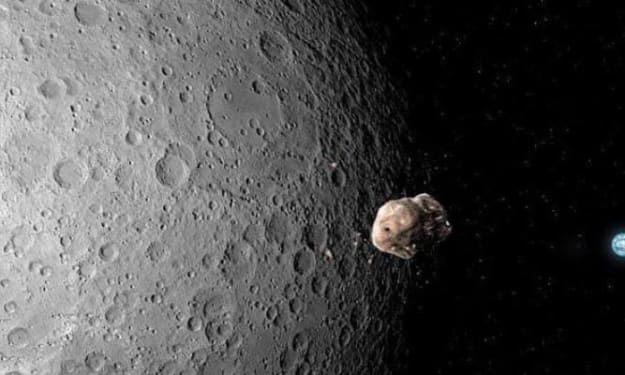
Asteroid 2024 YR4’s Collision With the Moon Could Create a Flash Visible From Earth, Study Finds
A newly published scientific study has sparked excitement across the global astronomy community by suggesting that Asteroid 2024 YR4, if it were to collide with the Moon, could generate a bright flash visible from Earth. While the event poses no threat to our planet, researchers say it could provide a rare natural experiment—offering valuable data about asteroid impacts, lunar geology, and future planetary defense strategies.
By Ayesha Lashari2 days ago in Earth
📢 Raise Your Voice Thread: 02/05/2026
Our “Raise Your Voice Threads” are hosted most alternating Thursdays at 12PM ET to offer creators more avenues to uncover exceptional stories on Vocal. As we are continuously searching for fresh creators and inspiring stories, this thread provides an opportunity to exchange and discuss the stories that have moved and motivated us on Vocal.
By Raise Your Voice by Vocal7 days ago in Resources


Comments
There are no comments for this story
Be the first to respond and start the conversation.