
Why Biochar’s Carbon Reduction Impact is Gaining Popularity in the Construction Industry
Biochar’s Carbon Reduction Impact in the Construction Industry

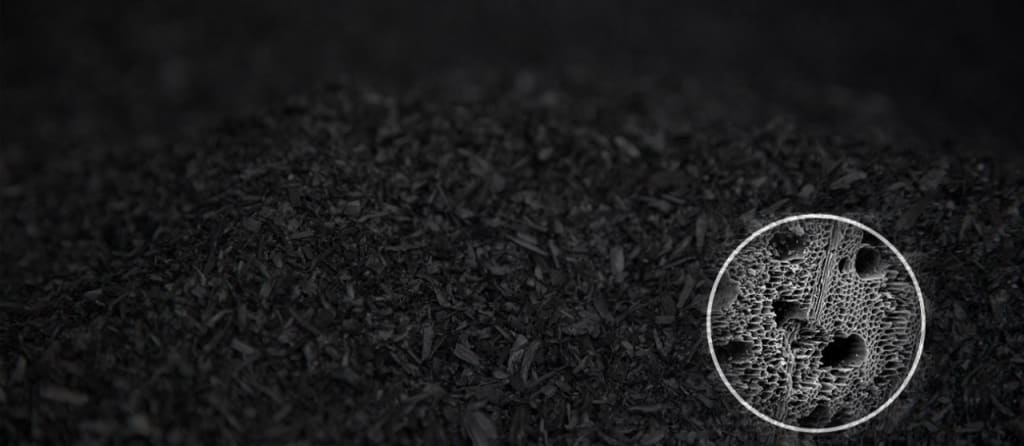
In the face of a global climate crisis, industries are searching for sustainable solutions to reduce their carbon footprints. One such solution that has gained increasing attention in recent years is biochar. A product of the pyrolysis process, biochar has long been used in agriculture for its soil-improvement properties. However, its potential in carbon sequestration and environmental sustainability is now being harnessed in the construction industry.
The Carbon Sequestration Power of Biochar
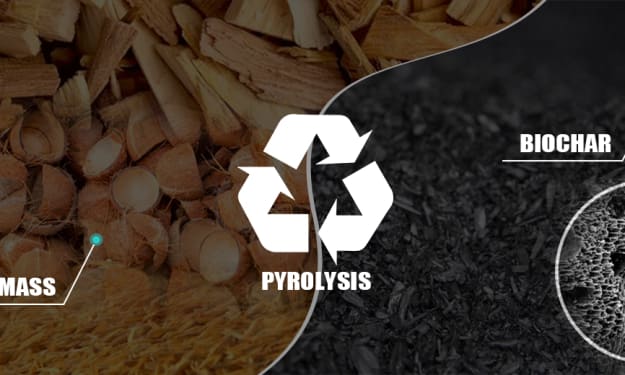
At its core, biochar is a form of charcoal produced through the pyrolysis of organic materials, typically at high temperatures with little oxygen. The resulting product is stable and can store carbon for hundreds or even thousands of years, making it an excellent tool for carbon sequestration. When used in construction materials, biochar locks away carbon that would otherwise contribute to global warming. This ability to capture and hold carbon is why biochar is increasingly viewed as an essential material in reducing the carbon emissions associated with the built environment.
The biochar production plant is central to this process. These plants convert waste biomass, such as agricultural residues or wood chips, into biochar. The efficiency of these plants, as well as their ability to scale, is crucial in ensuring that biochar can be produced in sufficient quantities for use in large construction projects. With advancements in biochar production technology, these plants are becoming more cost-effective and capable of meeting the growing demand in the construction sector.
Biochar in Building Materials: A Sustainable Choice
The construction industry is one of the largest contributors to global carbon emissions. From cement production to transportation, the environmental impact is significant. However, biochar is making its mark in this industry as an innovative way to lower these emissions. When incorporated into building materials such as concrete, mortar, or insulation, biochar not only enhances the strength and durability of these materials but also helps absorb and store carbon dioxide over time.
The integration of biochar into construction materials is made possible by the expansion of biochar production plants around the world. These plants provide a steady supply of high-quality biochar that can be mixed into concrete or used in other building components. As more biochar is produced, the industry will be able to scale its use in construction, leading to more carbon-efficient buildings and infrastructure.
A Circular Economy Approach
Another reason for biochar’s growing popularity in construction is its role in creating a circular economy. The production of biochar is part of a sustainable waste management strategy. Instead of allowing agricultural and forestry waste to decay and release carbon into the atmosphere, these materials are converted into biochar, which is then used in construction. This closed-loop system helps reduce waste while sequestering carbon in the built environment for the long term.
The rise of biochar production plant that specialize in utilizing organic waste for biochar production supports this circular economy model. By turning waste into a valuable resource, these plants reduce the need for raw materials, lower transportation costs, and cut emissions. As the technology and infrastructure for biochar production continues to evolve, the construction industry can benefit from an increasing supply of this eco-friendly material.
Biochar's Role in Achieving Net-Zero Emissions
As the construction industry moves towards net-zero emissions targets, biochar stands out as a powerful tool in achieving these goals. By using biochar-infused materials, construction projects can actively contribute to carbon reduction rather than simply mitigating emissions. Biochar’s long-term stability and ability to sequester carbon make it an effective means of neutralizing the environmental impact of building construction.
Moreover, as governments and organizations around the world start to emphasize sustainability in building codes and regulations, biochar is becoming a key component in green building certifications and carbon credit systems. The more biochar production plants scale up, the more accessible biochar will become for construction companies looking to meet these evolving standards.
Conclusion
Biochar is no longer just a tool for improving soil health; it’s quickly becoming a staple in the construction industry’s strategy to reduce carbon emissions. With the growing number of biochar production plants and the increasing awareness of biochar’s environmental benefits, the construction sector is well on its way to adopting more sustainable practices. As the world moves towards a greener future, biochar will undoubtedly play a pivotal role in creating more sustainable, carbon-neutral buildings.
About the Creator
Bestonpyrolysis
Engaged in waste plastic/tyre/rubber recycling, oil sludge treatment, biomass recycling, sewage sludge management and paper recycling…
https://bestonpyrolysisplant.com/
Keep reading
More stories from Bestonpyrolysis and writers in Earth and other communities.
Harnessing Biomass Pyrolysis Technology for Sustainable Agriculture Development
Sustainable agriculture is increasingly recognized as a vital pillar in addressing global challenges such as food security, climate change, soil degradation, and rural economic revitalization. Among emerging green technologies, biomass pyrolysis stands out as a transformative approach that simultaneously manages agricultural waste, improves soil health, and mitigates carbon emissions.
By Bestonpyrolysis9 months ago in Earth
Discovery of the “Word Fish” That Lived Millions of Years Ago
In a groundbreaking paleontological discovery, scientists have unearthed the fossilized remains of an ancient fish species that lived millions of years ago, now being referred to as the “Word Fish.” This remarkable find, preserved in near-perfect condition, is providing researchers with a unique glimpse into marine life from a time long before humans walked the Earth.
By Irshad Abbasi 5 days ago in Earth
Hottest in the Office
Dear Rafi, You’re very distracting to work around. For the first second I saw you the other day, I thought you were some type of executive. It took a moment to realize no, you were just the new guy, dressed up for the job he wants. Be still, my heart.
By Gabriel Shames5 days ago in Pride



Comments
There are no comments for this story
Be the first to respond and start the conversation.