
Why Bees Need Flowers and Flowers Need Bees
Bees & Flowers

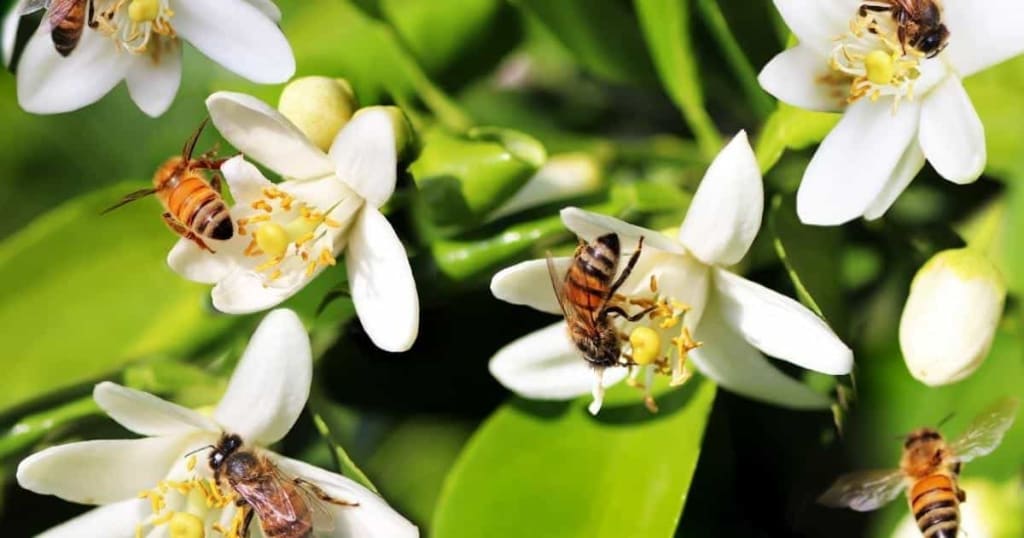
The relationship between bees and flowers is one of nature’s most fascinating examples of mutualism, where two species benefit from their interactions. This dynamic partnership has evolved over millions of years, forming the backbone of countless ecosystems worldwide. Understanding why bees need flowers and why flowers need bees highlights the intricate web of life and the delicate balance that sustains our planet’s biodiversity.
The Role of Flowers in a Bee’s Life
Bees are heavily dependent on flowers for their survival. Flowers provide two essential resources for bees: nectar and pollen.
Nectar as Energy Fuel
Nectar, a sugary liquid produced by flowers, serves as the primary energy source for bees. Worker bees collect nectar to produce honey, which acts as a long-term food reserve for the hive, especially during winter when flowers are scarce. Honey is rich in carbohydrates, which fuels the high-energy demands of bees as they forage and maintain their colonies.
Pollen as Protein Source
Pollen is another crucial resource for bees. Rich in proteins, fats, and vitamins, it forms the main food source for bee larvae. Foraging bees collect pollen from flowers and carry it back to their hives using specialized structures called pollen baskets on their hind legs. Without access to diverse flowers, bees would struggle to provide balanced nutrition to their young, leading to weakened colonies.
Shelter and Habitat
While flowers primarily offer food, flowering plants often contribute to the broader habitat needs of bees. Many solitary bee species build nests in or near flowering plants, relying on their proximity to food sources for survival.
The Role of Bees in a Flower’s Life
Just as flowers are essential to bees, bees play a critical role in the life cycle of flowers through the process of pollination.
Pollination and Reproduction
Pollination occurs when pollen from a flower’s male structure (anther) is transferred to its female structure (stigma). This enables fertilization, leading to the production of seeds and fruit. While some plants rely on wind or water for pollination, the majority depend on animals, particularly bees, to transfer pollen between flowers.
Bees are among the most efficient pollinators because of their hairy bodies, which attract and hold onto pollen grains. As bees move from flower to flower collecting nectar and pollen, they inadvertently transfer pollen, ensuring successful reproduction for many plant species.
Floral Diversity and Survival
By enabling cross-pollination, bees help maintain genetic diversity among flowering plants. Genetic diversity is crucial for the resilience of plant populations, allowing them to adapt to environmental changes, resist diseases, and thrive in different conditions. Without bees, many plant species would face reduced genetic variability, making them more vulnerable to extinction.
A Relationship Built on Coevolution
The mutual dependence of bees and flowers is not accidental but the result of millions of years of coevolution. Over time, both species have developed traits that enhance their interaction.
Flower Adaptations
Flowers have evolved vibrant colors, alluring scents, and specific shapes to attract bees. For example: Blue, purple, and yellow hues are particularly appealing to bees, which have excellent color vision. Some flowers, like snapdragons, have specialized structures that require bees to exert force to access nectar, ensuring efficient pollen transfer.
Bee Adaptations
Bees, in turn, have evolved features to maximize their efficiency in pollination: Specialized body structures like hairy legs and abdomens help them carry pollen. Their ability to perceive ultraviolet light helps them locate nectar guides on flowers, invisible to the human eye.
The Broader Impact of the Bee-Flower Relationship
The interplay between bees and flowers extends far beyond their immediate needs, influencing entire ecosystems and human societies.
Ecosystem Stability
Bees and flowering plants form the foundation of many ecosystems. By pollinating plants, bees contribute to the growth of trees, shrubs, and other vegetation that provide food and shelter for a wide range of species. This cascading effect supports biodiversity and maintains ecological balance.
Agricultural Importance
Approximately 75% of the world’s food crops depend on pollinators like bees. Fruits, vegetables, nuts, and seeds all benefit from bee pollination. The economic value of this service is estimated to be in the billions of dollars annually. Without bees, food production would decline dramatically, leading to scarcity and higher prices.
Challenges Facing Bees and Flowers
Despite their importance, both bees and flowers face significant threats due to human activities.
Declining Bee Populations
Bees are under threat from habitat loss, pesticide use, climate change, and diseases. The decline in wildflower diversity and abundance further exacerbates the challenges bees face in finding sufficient food and nesting sites.
Loss of Flowering Plants
Urbanization, deforestation, and agricultural expansion have reduced the availability of flowering plants. Monoculture farming practices, which prioritize single crops, also limit the variety of flowers available to bees, affecting their nutrition and overall health.
Protecting the Bee-Flower Relationship
Safeguarding the mutual relationship between bees and flowers requires concerted efforts from individuals, communities, and governments.
Creating Bee-Friendly Habitats
Planting diverse native flowers in gardens, parks, and agricultural fields can provide bees with year-round food sources. Avoiding pesticide use and promoting organic farming practices further support bee health.
Conserving Wild Habitats
Protecting natural ecosystems ensures the survival of both wildflowers and the bees that depend on them. Conservation programs that restore degraded landscapes can have a significant positive impact.
Raising Awareness
Educating the public about the importance of bees and flowers fosters greater appreciation and inspires action to protect them. Initiatives like "No Mow May" and community planting events can engage people in preserving pollinator habitats.
Conclusion
The relationship between bees and flowers is a cornerstone of life on Earth, exemplifying the power of cooperation in nature. Bees rely on flowers for nourishment, while flowers depend on bees for reproduction. Together, they support ecosystems, sustain biodiversity, and ensure food security for humans.
As this ancient partnership faces growing challenges, it is our responsibility to nurture and protect it. By taking action to conserve bees and flowering plants, we can ensure the continued vitality of this remarkable mutual relationship—and, by extension, the health of our planet.
About the Creator
Paramjeet kaur
Hey people! I am my own person and I love blogging because I just love to share the small Stories
Keep reading
More stories from Paramjeet kaur and writers in Earth and other communities.
The Underestimated Power of Poverty in Preparation Contrary to Riches
In a world that often equates success with material wealth, the power of poverty in preparing individuals for life's challenges is frequently overlooked. Contrary to popular belief, poverty has its own unique way of shaping character, fostering resilience, and preparing individuals for the complexities of life. In this exploration, we delve into the underestimated power of poverty in preparation, contrasting it with the traditional notion of riches as a pathway to success.
By Paramjeet kaur2 years ago in Earth
Industrial Deployment of Biochar in Modern Metal Smelting Systems
Biochar is increasingly examined as a functional carbonaceous material in high-temperature metallurgical operations. Traditionally dominated by fossil-derived coke and coal, metal smelting processes are under pressure to decarbonize while maintaining reductive efficiency and structural reliability. Biochar, when properly engineered, presents a technically viable supplementary reductant in the production of steel, silicon, and ferroalloy. Its application, however, requires stringent control of physicochemical properties and integration within existing furnace infrastructure.
By Wayne Shena day ago in Earth


Comments
There are no comments for this story
Be the first to respond and start the conversation.