
Why Are Bees So Important?
Understanding the crucial role of bees in pollinating crops and maintaining ecosystems
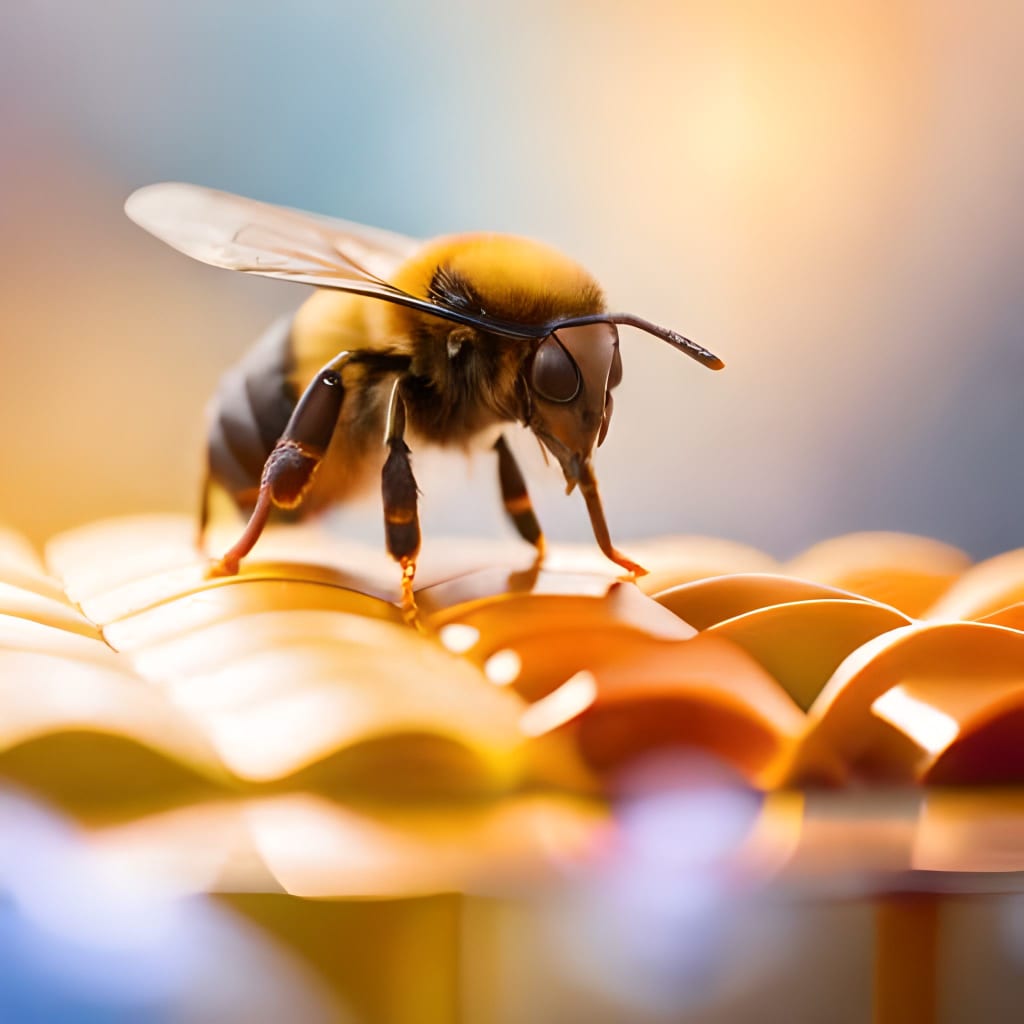
Why Bees Matter
Bees are one of the most important creatures on the planet. They play a vital role in pollinating plants and crops, making them essential to the production of food. Without bees, our food supply would be severely impacted, and many ecosystems would collapse.
The Importance of Pollination
Pollination is the process by which pollen from the male part of a flower (the anther) is transferred to the female part (the stigma), allowing the plant to produce seeds and fruit. Pollination can occur through various mechanisms, such as wind, water, or animals like bees, butterflies, birds, and bats. Among these, bees are the most effective and widely recognized pollinators due to their ability to transfer pollen between flowers while collecting nectar and pollen as food. Pollination is a crucial process for the reproduction of many plant species, and it is essential for the production of fruits, vegetables, nuts, and seeds that humans and animals rely on for food.
Bee-Dependent Crops
Many of the foods we enjoy every day rely heavily on bee pollination. Bees play a crucial role in pollinating crops, helping to increase yields and improve the quality of fruits and vegetables. Here are some examples of bee-dependent crops:
1. Almonds are entirely dependent on bees for pollination. In fact, over 80% of the world's almond supply is produced in California, where approximately 2 million honey bee hives are needed to pollinate the state's almond trees.
2. Apples are also heavily dependent on bees for pollination. Each apple blossom must be visited by a bee for the apple tree to produce fruit.
3. Avocado trees rely on bees and other pollinators to transfer pollen between male and female flowers, and without pollination, no fruit will grow.
4. Blueberries are also dependent on bee pollination. In fact, farmers often rent beehives to ensure that their blueberry crops are properly pollinated.
5. Cherries are another fruit crop that is heavily dependent on bees for pollination. A single cherry blossom must be visited by a bee up to 10 times for the tree to produce a single cherry.
These are just a few examples of the many bee-dependent crops that are crucial to our food supply. Without bees and other pollinators, the production of these foods would be severely limited, leading to lower yields, lower quality, and higher prices for consumers.
Bees and Ecosystem Health
But it’s not just food crops that rely on bees. Bees also play a crucial role in maintaining the health of ecosystems. They help to pollinate wildflowers, which provide habitat and food for other creatures such as birds and insects. This, in turn, helps to maintain biodiversity and keep ecosystems functioning properly.
Threats to Bees
Unfortunately, bees are facing a number of challenges that are putting their populations at risk. One of the biggest threats is habitat loss. As urbanization and agriculture expand, natural habitats are being destroyed, leaving bees with fewer places to nest and forage for food.
Pesticides are another major threat to bees. Some pesticides, particularly neonicotinoids, can be highly toxic to bees, even at low doses. These pesticides can affect a bee’s ability to navigate and communicate, making it difficult for them to find food and return to their hive.
Climate change is also having an impact on bees. Changes in weather patterns can disrupt the timing of flowering plants, which can lead to mismatches between the plants and the bees that pollinate them. This can result in reduced pollination rates, which can ultimately impact crop yields.
Protecting Bees
To protect bees and ensure their continued role in pollinating crops and maintaining ecosystems, we need to take action. This can include creating more habitat for bees, reducing pesticide use, and taking steps to mitigate the impacts of climate change.
Individual Actions to Help Bees
As individuals, we can also do our part by planting bee-friendly flowers and avoiding the use of pesticides in our gardens. By taking these steps, we can help to ensure that bees continue to thrive and play their important role in our world.
About the Creator
Kiwi Articles
Reading and Learning New Things it's Amazing!
Keep reading
More stories from Kiwi Articles and writers in Earth and other communities.
“Do Not Copy This Site’s Content”: Why Originality Matters More Than Ever in the Digital Age
“Do not copy this site’s content.” It’s a warning most internet users have seen countless times, often at the bottom of webpages or buried in terms and conditions. Many scroll past it without a second thought. But in today’s digital world, that simple sentence carries far more weight than people realize.
By Muhammad Hassan5 days ago in Earth


Comments
There are no comments for this story
Be the first to respond and start the conversation.