
Southerners Rush to Prepare as Ice, Snow, and Bitter Cold Move In
Rare Winter Weather Pushes Southern Communities to Prepare for Ice, Snow, and Dangerous Cold

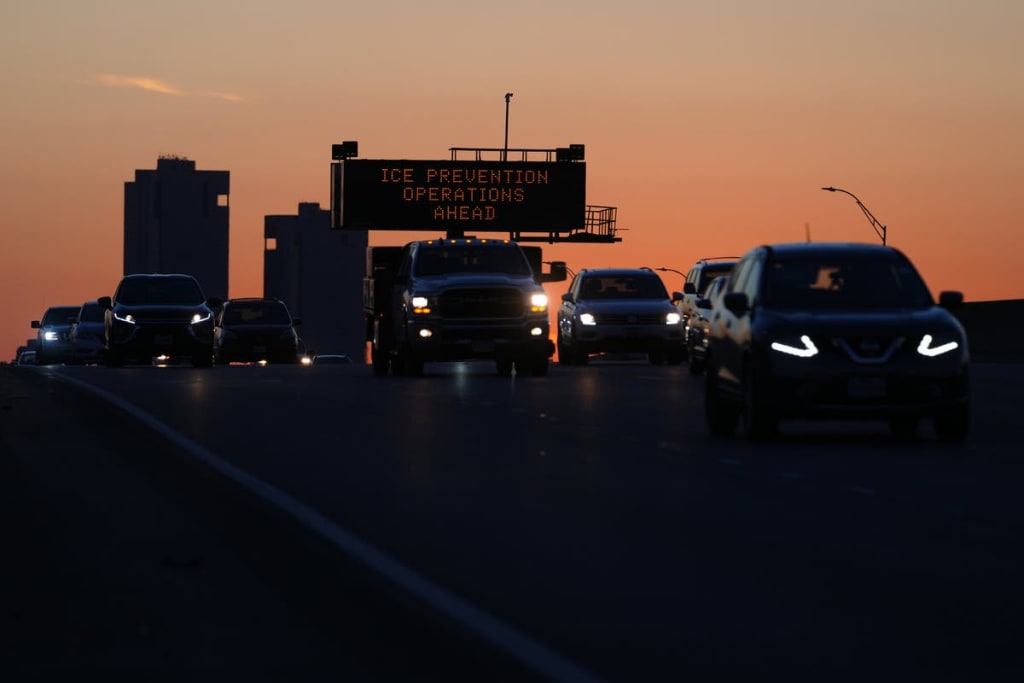
Across much of the Southern United States, residents are bracing for a type of weather many rarely experience. Forecasts warn that a powerful winter system could bring ice, snow, and bitterly cold temperatures to large parts of the region, prompting families, local governments, and businesses to scramble to prepare for potentially disruptive conditions.
From Texas to the Carolinas, the approaching storm is expected to challenge infrastructure, transportation, and daily routines in areas that are far more accustomed to mild winters than frozen roads and subfreezing nights.
A Rare and Disruptive Weather Threat
Winter storms are not unheard of in the South, but they are uncommon enough to cause outsized disruption when they occur. Meteorologists say this system could include a mix of freezing rain, sleet, and snow, followed by a sharp drop in temperatures that may linger for days.
The greatest concern is ice accumulation, which can quickly turn roads into skating rinks, down power lines, and snap tree branches. Even a small layer of ice can be dangerous, especially in regions where drivers, road crews, and city services have limited experience dealing with winter conditions.
For many Southerners, the threat isn’t deep snowdrifts but slick highways, frozen bridges, and extended power outages.
Why the South Is Especially Vulnerable
Southern states generally lack the winter-weather infrastructure common in northern regions. Cities often have:
Fewer snowplows and salt trucks
Limited supplies of road treatment materials
Less insulation in homes and buildings
Power systems more vulnerable to ice damage
Because of this, even a modest winter storm can shut down schools, delay emergency services, and bring commerce to a standstill. Officials stress that preparation and early action are critical to minimizing risk.
Households Stock Up and Get Ready
As forecasts grew more concerning, grocery stores across the region saw a familiar rush. Shelves began emptying of essentials such as bread, milk, bottled water, and batteries. Residents are also purchasing space heaters, firewood, and thermal clothing — items not always common in Southern homes.
Families are taking steps to winterize their houses, including:
Insulating exposed pipes to prevent freezing
Checking heating systems before temperatures plunge
Charging phones and power banks in case of outages
Gathering flashlights, candles, and blankets
For many, preparation feels similar to hurricane season — except this time, the danger comes from ice instead of wind and rain.
Travel and Transportation Concerns
Transportation officials are urging residents to avoid unnecessary travel once freezing conditions begin. Ice-covered roads are especially hazardous in the South, where drivers are less accustomed to winter driving and vehicles may lack snow tires or chains.
Airports could also experience delays and cancellations, particularly if ice forms on runways or aircraft. School districts and businesses are closely monitoring conditions, with some already announcing closures or remote operations to keep people off the roads.
Emergency responders emphasize that staying home during icy conditions not only reduces personal risk but also helps keep roads clear for first responders and utility crews.
Power Outages and Cold Exposure Risks
Ice storms are notorious for causing power outages, sometimes lasting hours or even days. Falling branches and ice-laden power lines can leave thousands without electricity, heat, or running water.
This raises serious concerns for:
Elderly residents
People with medical devices that require power
Families without alternative heating sources
Local governments and nonprofits are preparing warming centers and emergency shelters, particularly for people experiencing homelessness or those whose homes cannot maintain safe indoor temperatures.
Officials are also warning against unsafe heating practices, such as using grills or generators indoors, which can lead to carbon monoxide poisoning.
Communities Come Together
Despite the anxiety, these situations often bring out a strong sense of community cooperation. Neighbors are checking in on one another, sharing tips online, and offering help with supplies or transportation before conditions worsen.
In many Southern towns, residents with past experience navigating rare winter storms are sharing advice on social media — from how to walk safely on ice to how to drip faucets overnight to prevent frozen pipes.
Local leaders are encouraging residents to look out for vulnerable neighbors and to communicate needs early, before travel becomes impossible.
What Officials Are Urging Residents to Do
Emergency management agencies across the South are offering consistent guidance as the storm approaches:
Stay informed through local weather updates
Prepare for several days without power or travel
Avoid driving during freezing conditions
Dress in layers and limit time outdoors
Keep pets inside and protect livestock
Officials stress that preparation now can prevent emergencies later, especially if conditions deteriorate quickly.
A Reminder About Climate Extremes
While winter storms in the South remain relatively rare, experts note that extreme and unusual weather events are becoming more frequent. Sudden swings from mild temperatures to bitter cold can strain infrastructure and catch communities off guard.
This storm serves as a reminder that preparedness isn’t just for traditionally cold regions — and that adaptability and planning are increasingly essential everywhere.
Conclusion
As ice, snow, and bitter cold threaten large parts of the Southern United States, residents are being forced to confront a weather challenge outside their comfort zone. With limited winter infrastructure and unfamiliar conditions, preparation and caution are key.
By stocking up early, staying informed, and supporting one another, Southern communities can reduce risks and weather the storm more safely. While the coming days may bring disruption and discomfort, they also highlight the importance of community resilience in the face of rare but serious weather threats.
About the Creator
Asad Ali
I'm Asad Ali, a passionate blogger with 3 years of experience creating engaging and informative content across various niches. I specialize in crafting SEO-friendly articles that drive traffic and deliver value to readers.
FPS: Roots and Branches Challenge Winners
The FPS: Roots and Branches Challenge has wrapped up, and gaming enthusiasts around the world are celebrating the winners of this exciting and competitive event. From showcasing incredible skill to creative problem-solving, participants pushed their limits, making the challenge a true testament to the evolving world of first-person shooter (FPS) games.
By Aarif Lashari4 days ago in Earth


Comments
There are no comments for this story
Be the first to respond and start the conversation.