
Which Part of the Human Body Doesn't Grow From Birth to Death
Exploring the reasons why the size of the eyes remains constant throughout our lives and the changes that can occur due to aging, disease, injury, and refractive surgery.

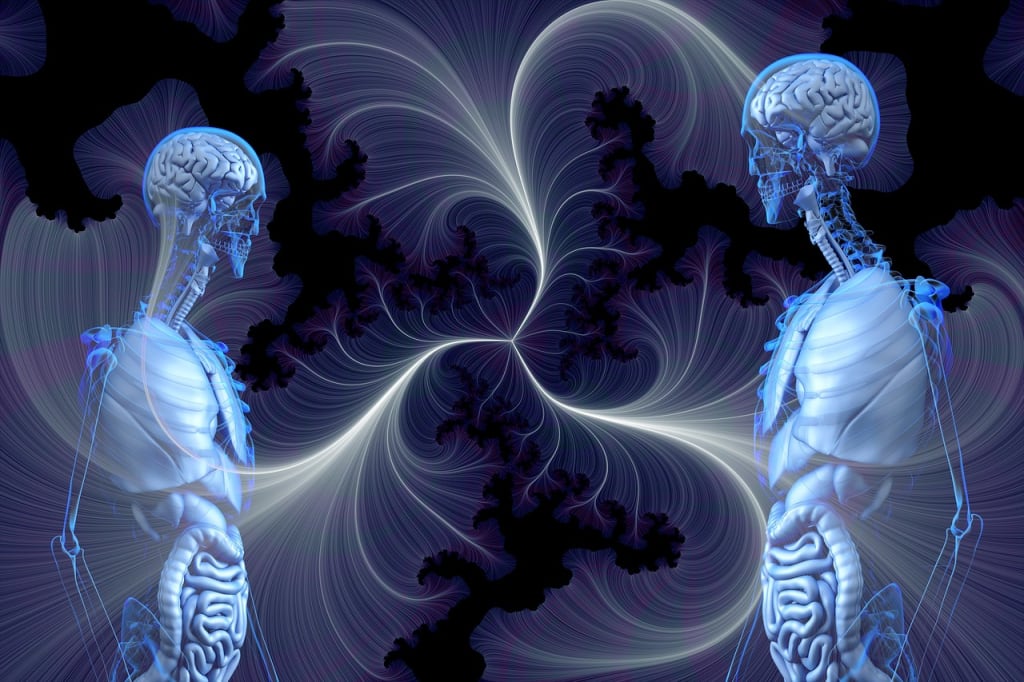
The human body undergoes a lot of changes throughout our lifetime, from infancy to old age. While most body parts continue to grow and develop from birth to adolescence, and some parts continue to change throughout adulthood, there are a few parts that remain relatively constant in size and structure throughout our lives. In this article, we will explore which part of the human body doesn't grow from birth to death.
The answer is simple: the eyes.
The eyes are one of the few body parts that don't grow significantly from birth to death. Unlike other body parts like bones, muscles, and organs, the size of the eyes is largely determined by our genes and remains relatively stable throughout our lives. However, the eyes can still undergo some changes over time due to various factors, including aging, disease, and injury.
Let's take a closer look at why the eyes don't grow from birth to death and what changes can occur to them throughout our lives.
Why Don't the Eyes Grow?
The size of the eyes is largely determined by our genes. At birth, the eyes are already fully formed and are about two-thirds the size they will be in adulthood. The size of the eyes is determined by the size of the eye socket or orbit, which is the bony cavity in the skull that holds the eye. The size of the eye socket is largely determined by our genes, and it doesn't change significantly after birth.
As we grow and develop, our eyes don't get bigger; instead, they continue to develop and mature. During infancy and early childhood, the eyes undergo significant development, including the formation of the retina, lens, and other structures that are essential for vision. This development is largely complete by the age of seven or eight, although some changes can occur during adolescence.
After adolescence, the size of the eyes remains relatively stable. While the eyes can still undergo some changes due to aging, disease, or injury, they don't get bigger or smaller.
Changes to the Eyes Over Time
While the size of the eyes remains relatively constant throughout our lives, they can still undergo some changes over time. Here are some of the most common changes that can occur to the eyes:
Aging: As we age, the eyes undergo a number of changes, including a reduction in the amount of tear production, which can lead to dry eyes. The lens of the eye can also become less flexible and can develop a yellowish tint, which can affect color perception. Additionally, the muscles that control eye movement can become weaker, leading to difficulty focusing on objects up close (presbyopia) or far away (farsightedness).
Disease: Several diseases can affect the eyes and lead to changes in their size and structure. For example, glaucoma is a condition that causes damage to the optic nerve, which can lead to vision loss and changes in the size and shape of the eye. Cataracts, which are a clouding of the eye's lens, can also cause changes in vision and eye shape.
Injury: Trauma to the eye can also cause changes in its size and structure. For example, a blow to the eye can cause swelling and bruising, which can lead to temporary changes in the size and shape of the eye. More serious injuries, such as a ruptured globe (when the eyeball ruptures), can cause permanent changes in the size and shape of the eye.
Refractive surgery: Refractive surgery, such as LASIK or PRK, can change the shape of the cornea and improve vision. While these procedures don't change the size of the eye, they can lead to changes in how light enters the eye and how images are focused on the retina.
About the Creator
Do Not Touch the Roses
There is a quiet power in the phrase “Do Not Touch the Roses.” It sounds like a warning, but it feels like an invitation — one that asks us to pause, admire, and respect something without claiming it. Roses have long symbolized love, beauty, and passion, yet they are also guarded by thorns. That contradiction makes them the perfect metaphor for many of life’s most meaningful things.
By Aarif Lasharia day ago in Earth
Wild Card Weekend Recap: What Happens Now?
I think I figured out why I love Wild Card Weekend so much. It's because it's the first playoff anything of the calendar year. The NFL season starts in the fall, and once upon a time, the champion was crowned either on or slightly before New Year's. The evolution of the NFL schedule has resulted in the playoffs starting just into the New Year, and currently, the final week of the season falls on the first weekend of the New Year, with Wild Card Weekend coming a week after that. So yes, chronologically, the NFL's Wild Card Weekend serves as the first playoff anything of the calendar year.
By Clyde E. Dawkins7 days ago in Unbalanced



Comments
There are no comments for this story
Be the first to respond and start the conversation.