
Do Not Touch the Roses
What beauty, boundaries, and restraint teach us about respect and desire
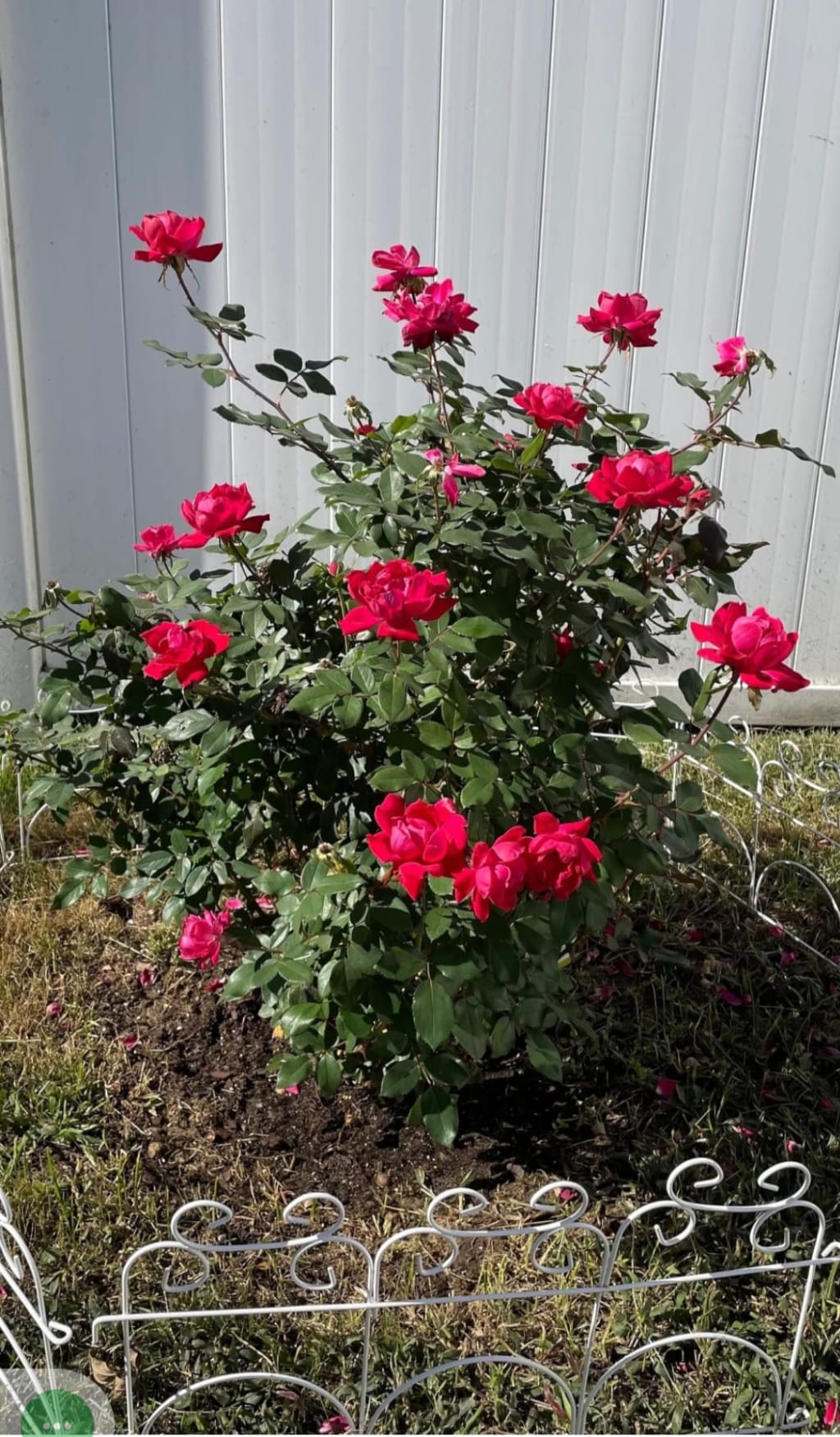
There is a quiet power in the phrase “Do Not Touch the Roses.” It sounds like a warning, but it feels like an invitation — one that asks us to pause, admire, and respect something without claiming it. Roses have long symbolized love, beauty, and passion, yet they are also guarded by thorns. That contradiction makes them the perfect metaphor for many of life’s most meaningful things.
In a world that encourages constant access, ownership, and consumption, the idea of not touching what we admire feels almost radical. And yet, it may be exactly what we need.
Roses as a Symbol of Beauty and Desire
Roses have appeared in poetry, art, and storytelling for centuries. They represent romance, longing, admiration, and even pain. A rose’s beauty is undeniable, but so is its fragility. One careless touch can bruise its petals or draw blood from its thorns.
This dual nature mirrors human desire. We are drawn to beauty instinctively. We want to touch it, possess it, make it ours. But not everything beautiful is meant to be taken. Some things are meant to be respected from a distance.
When Admiration Turns Into Entitlement
“Do not touch the roses” can be read as a lesson in boundaries. Too often, admiration turns into entitlement — the belief that wanting something gives us the right to reach for it.
This mindset appears everywhere:
In relationships, where affection becomes control
In nature, where beauty becomes exploitation
In creativity, where appreciation becomes imitation without credit
The roses remind us that appreciation does not require possession. In fact, sometimes possession destroys the very thing we admire.
The Quiet Strength of Restraint
Restraint is often misunderstood as weakness. In reality, it takes strength to stop yourself from crossing a boundary, especially when desire urges you forward.
Not touching the roses is an act of discipline. It is choosing awareness over impulse. It is understanding that some things hold more meaning when they remain untouched.
Restraint preserves beauty. It allows admiration to exist without damage. In a culture that celebrates excess, restraint becomes an act of respect.
Emotional Boundaries and Human Connection
Beyond the literal image, roses can represent people. We often encounter individuals who are beautiful in spirit, talent, or presence. But closeness requires consent. Not everyone wants to be touched, questioned, or claimed.
“Do not touch the roses” becomes a reminder that connection must be mutual. Just because someone inspires you doesn’t mean you are entitled to their time, energy, or vulnerability.
Respecting emotional boundaries deepens relationships rather than weakening them. It builds trust, safety, and dignity.
Nature’s Silent Warning
In gardens, signs that say “Do Not Touch” exist to protect fragile ecosystems. Human touch, however gentle it seems, can disrupt growth. Oils from skin can damage petals. Trampled soil can suffocate roots.
Nature does not need to be handled to be enjoyed. Observation alone is enough.
This lesson extends to how we treat the planet. Constant extraction, interference, and consumption have left lasting scars. Sometimes the most responsible action is simply to leave things alone.
The Beauty of Looking Without Taking
There is a rare joy in looking without taking. When we stop trying to own what we admire, we allow ourselves to fully experience it.
Think of a rose garden viewed at sunrise. The colors, the scent, the stillness. None of it requires touch to be meaningful. In fact, distance sharpens appreciation.
The same applies to art, moments, and even people. Presence without possession allows beauty to remain whole.
When Touch Becomes Harm
Touch is not inherently wrong. It can be loving, healing, and affirming. But when touch ignores context or consent, it becomes harmful.
The thorns of the rose are not punishments — they are warnings. They exist not to hurt, but to protect.
Ignoring those warnings leads to injury. This applies emotionally as much as physically. Boundaries are signals, not obstacles.
Modern Life and the Loss of Boundaries
Social media and constant connectivity have blurred boundaries. We comment, judge, share, and intrude with ease. Personal lives feel public. Privacy feels negotiable.
“Do not touch the roses” is a counter-message to this culture. It reminds us that not everything is meant for access. Some things deserve distance, quiet, and protection.
Respect is not passive. It is an active choice to step back.
Learning to Let Beauty Be
Letting beauty exist without interference is an art. It requires patience, humility, and trust. Trust that what is beautiful does not need your control to remain so.
This lesson applies inward too. Sometimes we over-handle our own lives — overthinking, forcing outcomes, reshaping ourselves to fit expectations. Even our inner roses need space to grow.
Final Thoughts
“Do Not Touch the Roses” is not a command rooted in denial. It is a philosophy rooted in respect. It asks us to consider the cost of our desire and the value of restraint.
Beauty does not diminish when left untouched. Often, it flourishes.
In a world that urges us to take, claim, and consume, choosing not to touch can be an act of wisdom. Some roses are meant to be admired, protected, and left exactly as they are.
And sometimes, the most meaningful connection comes not from reaching out — but from knowing when to stop.
About the Creator
Keep reading
More stories from Aarif Lashari and writers in Earth and other communities.
Cosseting the City or Keeping It in Check?
For decades, the City of London has been treated as the crown jewel of the British economy. Governments of all political colours have cosseted banks and financial institutions, convinced that a thriving financial sector is the key to faster economic growth, higher tax revenues, and global influence. The current chancellor is no exception, signalling a desire to keep City lenders comfortable in the hope they will fuel growth across UK plc.
By Aarif Lashariabout 21 hours ago in Earth
How, Too
Many people wonder how, too. You are not alone, and I am an expert. I will teach you how, too! First, you need to remit a small application fee and fill out an application describing the nature of your financial situation and how often payments will be made, as this will have great bearing on how well I teach you how, too.
By Harper Lewis3 days ago in Fiction


Comments
There are no comments for this story
Be the first to respond and start the conversation.