
“What They’re Doing Is the Worst of Humanity”: Sundance Festival Stars Back Anti-ICE Protest
Film Industry Voices Use the Sundance Spotlight to Condemn Immigration Enforcement and Stand With Protesters

A Protest That Echoed Beyond the Screen
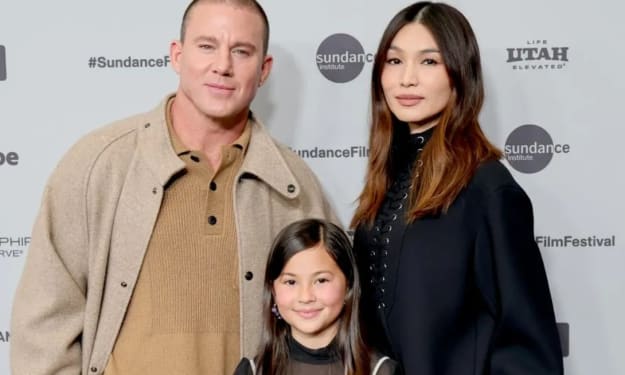
The Sundance Film Festival has long been known as a platform for independent cinema, bold storytelling, and social commentary. This year, however, the conversation moved beyond film premieres and panel discussions as prominent festival stars publicly backed an anti-ICE protest, delivering some of the most forceful political statements seen at Sundance in recent years.
“What they’re doing is the worst of humanity,” one filmmaker declared, a remark that quickly spread across social media and news outlets. The statement captured the raw emotion behind the protest, which criticized the actions of U.S. Immigration and Customs Enforcement (ICE) and called for greater accountability and compassion in immigration policy.
Why Sundance Became the Stage
Sundance has always attracted artists willing to challenge power structures. With its roots in independent filmmaking and marginalized voices, the festival has historically provided space for discussions about inequality, justice, and human rights.
This year’s protest emerged as immigration enforcement once again dominated headlines. Activists gathered near festival venues, holding signs and chanting messages condemning ICE raids and detention practices. Rather than distancing themselves, several high-profile actors and directors joined the protest or openly expressed support, using their visibility to amplify the message.
For many, Sundance felt like the right place to speak out. The festival’s global media attention ensured the protest would not go unnoticed.
Artists Speak Out Against ICE
Multiple festival attendees used interviews, panels, and social media to voice their concerns. Their criticism focused on family separations, detention conditions, and deportation practices, which they described as inhumane.
One actor stated, “When art is silent in moments like this, it becomes complicit.” Another filmmaker added that immigration enforcement policies “strip people of dignity and humanity,” echoing the protest’s central message.
These statements were not scripted publicity moves but emotional responses to policies that many artists said conflict with basic human values. The phrase “the worst of humanity” became a rallying cry, shared widely online by supporters.
The Power of Celebrity Advocacy
Celebrity involvement often divides public opinion, but there is no denying its impact. When well-known figures speak, their words travel far beyond activist circles. At Sundance, that visibility helped bring renewed attention to immigration issues that activists say are too often normalized or ignored.
Supporters argue that artists have a responsibility to use their platforms for social good. By backing the protest, Sundance stars shifted the narrative from abstract policy debate to human consequences, emphasizing stories of families, migrants, and asylum seekers.
Critics, however, accused celebrities of oversimplifying complex policy issues or engaging in performative activism. Despite the criticism, the protest achieved its primary goal: sparking conversation.
A Divided Public Reaction
Public reaction to the protest was sharply divided. On social media, supporters praised the artists for showing courage and empathy, thanking them for “speaking truth to power.” Many shared personal stories of immigration struggles, saying the statements made them feel seen and supported.
Others pushed back, arguing that immigration enforcement is necessary for national security and that film festivals should remain apolitical. Some questioned whether celebrities truly understand the realities of immigration law.
This polarization reflects a broader national divide. Immigration remains one of the most contentious issues in modern politics, and Sundance became yet another arena where those tensions played out.
Sundance’s History of Activism
This is not the first time Sundance has intersected with activism. Past festivals have highlighted issues such as racial injustice, LGBTQ+ rights, climate change, and police reform. Films premiering at Sundance often go on to shape public discourse long after the festival ends.
What made this moment notable was the direct participation of stars in a live protest, rather than limiting commentary to film content. The blending of art, activism, and real-time political engagement marked a shift toward a more openly confrontational stance.
For many attendees, it reinforced Sundance’s identity as more than a film festival—it is a cultural forum.
Art, Politics, and Responsibility
The protest reignited an ongoing debate: should artists remain neutral, or is taking a stand part of their responsibility? Those who supported the protest argued that art has always been political, whether explicitly or implicitly.
Films shown at Sundance often explore themes of displacement, identity, and injustice. Speaking out against ICE, many artists said, was a natural extension of the stories they tell on screen.
As one director explained, “If we tell stories about humanity but stay silent when humanity is violated, our work loses meaning.”
What This Means Going Forward
The impact of the Sundance protest is likely to extend beyond the festival. Advocacy groups reported increased attention and engagement following the event, while media coverage ensured the issue reached a wider audience.
For the film industry, the moment signals a growing willingness to confront controversial topics publicly. For activists, it represents a strategic alliance with influential voices who can elevate their message.
Whether this leads to tangible policy change remains uncertain, but the protest undeniably strengthened the cultural conversation around immigration enforcement.
Conclusion
The anti-ICE protest at Sundance, backed by outspoken festival stars, underscored the power of visibility and voice. Describing ICE actions as “the worst of humanity” was a stark, emotional condemnation that resonated with supporters and critics alike.
In a space dedicated to storytelling, artists used their influence to tell a real-world story—one about compassion, accountability, and moral responsibility. As debates over immigration continue, the Sundance moment serves as a reminder that culture and politics are deeply intertwined, and that sometimes, the loudest statements are made far beyond the movie screen.
About the Creator
Keep reading
More stories from Aarif Lashari and writers in Earth and other communities.
Nigella Lawson to Replace Prue Leith on The Great British Bake Off
The beloved British baking show, The Great British Bake Off (GBBO), has announced a significant shake-up that has fans buzzing: the celebrated food writer and television personality Nigella Lawson is set to replace Prue Leith as a judge. This move marks a dramatic shift in the dynamics of the show, promising fresh perspectives and renewed excitement for its millions of viewers worldwide.
By Aarif Lashariabout 14 hours ago in Earth
Channing Tatum Cried ‘Five, Six, Seven Times’ at Josephine Premiere as Film Becomes First Sundance 2026 Sensation
The Sundance Film Festival has always been a place where raw emotion meets bold storytelling, but Sundance 2026 may have found its first true breakout already. At the world premiere of Josephine, actor Channing Tatum reportedly became so overwhelmed that he cried “five, six, seven times,” according to those in attendance. The moment quickly turned into one of the most talked-about scenes of the festival — not on screen, but in the theater itself.
By Muhammad Hassan3 days ago in Earth
Emergency declared in USA.
A historic winter storm known as Winter Storm Fern has unleashed devastating cold, heavy snow, and dangerous ice across a vast portion of the United States, stretching from Texas in the South to New England in the Northeast. Millions of people are affected as emergency warnings flash on phones and TV screens, roads become treacherous, and travel across the country grinds to a near halt.
By Hamd Ullah3 days ago in Earth
10 Times Rotten Tomatoes and I Disagreed
***Disclaimer*** I will be ranking these movies in the following manner: The greater the divide between Rotten Tomatoes and I, the higher up on the list (and I am referring to the critic's score, not the audience score). I will also show Rotten Tomatoes' score on each one in addition to my score. I am curious to know what everyone thinks, please let me know in the comments below!
By Madison "Maddy" Newtona day ago in Geeks

Comments
There are no comments for this story
Be the first to respond and start the conversation.