
What is the Cheapest Type of Home Addition?
Cheapest Type of Home Addition
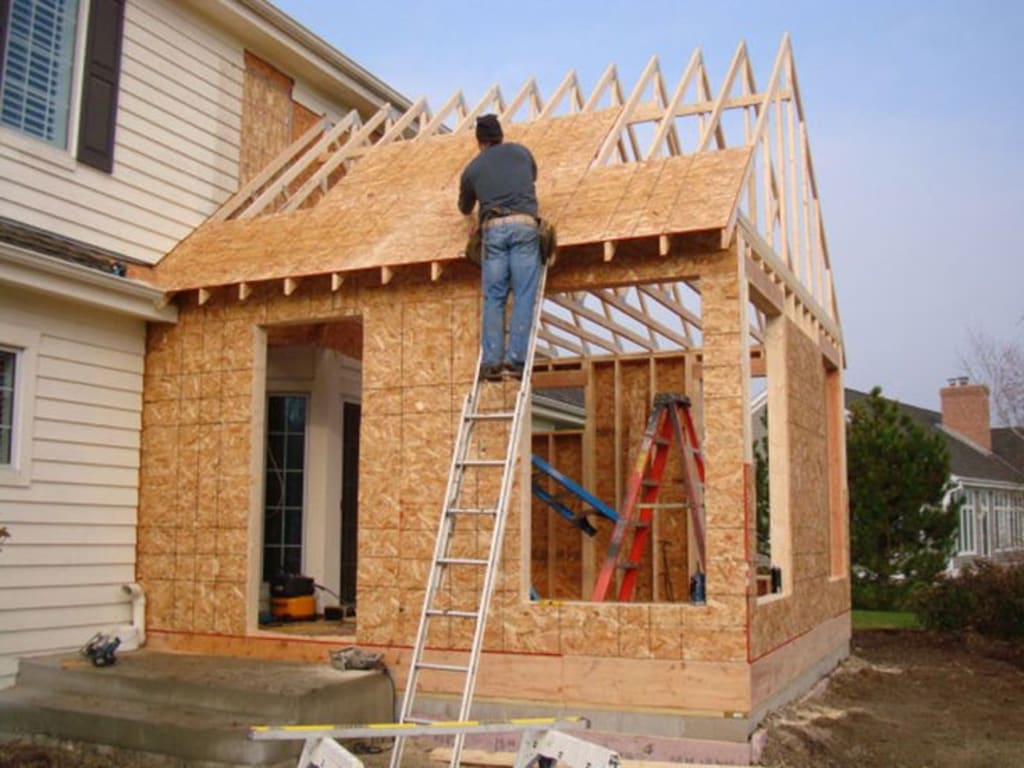
Home additions are a great way to expand your living space, improve functionality, and even increase your property value. However, they can also be expensive, depending on the type and scale of the project. If you're considering a home addition but working within a budget, it’s important to know the most cost-effective options available. This guide will walk you through some of the cheapest home additions, their benefits, and how to make the most out of your investment.
Common Types of Home Additions
Before we dive into the cheapest options, it's important to understand the common types of home additions. These include:
- Room Additions: Adding extra bedrooms, bathrooms, or a family room.
- Garage Conversions: Converting an existing garage into a functional living space.
- Bump-Outs: Expanding an existing room by a few feet.
- Sunrooms: Adding an enclosed space, usually filled with windows.
- Basement or Attic Finishing: Turning unused spaces into livable areas.
Each of these comes with varying costs, timelines, and levels of complexity. Now, let's examine the most affordable options.
Affordable Home Addition Options
1. Bump-Outs
A bump-out is one of the most affordable home addition options. It involves expanding an existing room by extending the walls out a few feet. Bump-outs are particularly popular for kitchens and bathrooms where a few extra feet can make a huge difference in functionality. Since you're not adding a full room or changing the structure of your home significantly, bump-outs are relatively inexpensive.
Cost: Depending on the size and materials, bump-outs can range from $5,000 to $20,000.
2. Garage Conversion
If you have a garage that's currently being used for storage or is mostly empty, converting it into a livable space can be a cost-effective way to add square footage to your home. Garage conversions can be turned into guest rooms, home offices, or even small apartments. The advantage of a garage conversion is that the structure is already in place, so you're saving on foundation and roofing costs.
Cost: A garage conversion can cost between $10,000 and $30,000 depending on the finishes and amenities.
3. Sunroom Additions
Sunrooms are another budget-friendly option. A sunroom is typically a glass-enclosed space that allows natural light to flood the area. These rooms are not always fully insulated, which helps keep costs down. Sunrooms are perfect for homeowners who want to enjoy outdoor views without dealing with the elements.
Cost: Sunroom additions typically cost between $8,000 and $30,000, depending on the size and materials.
4. Prefabricated Room Additions
Prefabricated or modular room additions are built off-site and then delivered to your home for assembly. This option reduces labor costs and the time required for the construction. Prefabricated additions can be customized to fit your needs and are often used for extra bedrooms or home offices.
Cost: Prefabricated room additions usually cost between $20,000 and $50,000, depending on size and customization.
5. Attic or Basement Finishing
If you have an unfinished attic or basement, turning these spaces into livable rooms is a cost-effective way to add square footage without expanding your home's footprint. Attics can become bedrooms or storage areas, while basements can be transformed into family rooms, gyms, or guest suites. Since the space already exists, the major costs will be insulation, flooring, and finishing.
Cost: Finishing an attic or basement typically ranges from $10,000 to $30,000 depending on the scope of the project.
Factors Influencing the Cost of Home Additions
While the above options provide an idea of the least expensive home additions, several factors can affect the total cost of your project. These include:
- Location: Labor and material costs vary by region.
- Size: Larger additions naturally cost more.
- Materials: Higher-end materials will increase the price.
- Labor: The complexity of the project will determine the amount of labor required.
- Permits and Inspections: Local regulations may require permits, which can add to the overall cost.
Choosing a cost-effective home addition depends on how much you're willing to invest and the specific needs of your home. To get the most accurate estimate for your area, it's best to consult with a professional contractor.
Maximizing Your Budget
When planning a home addition on a budget, there are several strategies you can use to keep costs down without sacrificing quality or functionality.
1. Do It in Phases
Instead of completing the entire addition at once, consider breaking the project into phases. You can finish the core structure first and add features like flooring, lighting, or fixtures later as your budget allows.
2. Choose Economical Materials
Opt for cost-effective materials like vinyl siding instead of more expensive options like brick or stone. Laminate countertops and engineered wood flooring can give you the look of higher-end materials at a fraction of the cost.
3. DIY Some Tasks
While it's crucial to hire professionals for structural work, there are some tasks you can do yourself to save money. Painting, installing fixtures, or even handling landscaping around the addition can reduce labor costs.
4. Reuse Existing Space
Converting or upgrading existing space (like a garage or attic) is almost always cheaper than adding new square footage. Consider how you can make better use of what you already have before deciding to build out.
Specialist Recommendation
If you're looking for the best value in home additions, DS Builders stands out as a top choice. They provide a range of affordable, high-quality options for homeowners looking to expand their living spaces without breaking the bank. For example, when choosing an addition, DS Builders often recommend converting an attic or garage to maximize square footage without the high costs of foundation work or roofing. You can learn more about their services at https://dsbuilders.co/.
Conclusion
When planning a home addition, it’s important to weigh the benefits against the costs. Bump-outs, garage conversions, sunrooms, and prefabricated rooms are some of the most affordable ways to add value and space to your home. By choosing economical materials, completing the project in phases, and reusing existing space, you can further maximize your budget. Always consult with a professional to get a tailored estimate and ensure the project aligns with local regulations.
About the Creator
Exploring the Amazing World Beneath the Waves
Beneath the surface of the world’s oceans lies a vast and mysterious universe that few humans have truly experienced. Often described as Earth’s “final frontier,” the underwater world is filled with stunning landscapes, colorful creatures, and ecosystems that are both fragile and vital to life on our planet. From shallow coral reefs to the dark depths of the ocean floor, this hidden realm continues to amaze scientists, explorers, and nature lovers alike.
By Irshad Abbasi 2 days ago in Earth



Comments (1)
Wow. I appreciate your writing. I subscribed you and if you wish you can do the same to me 🥰