
What is hydraulic fracturing – or fracking ?
What is hydraulic fracturing – or fracking ?
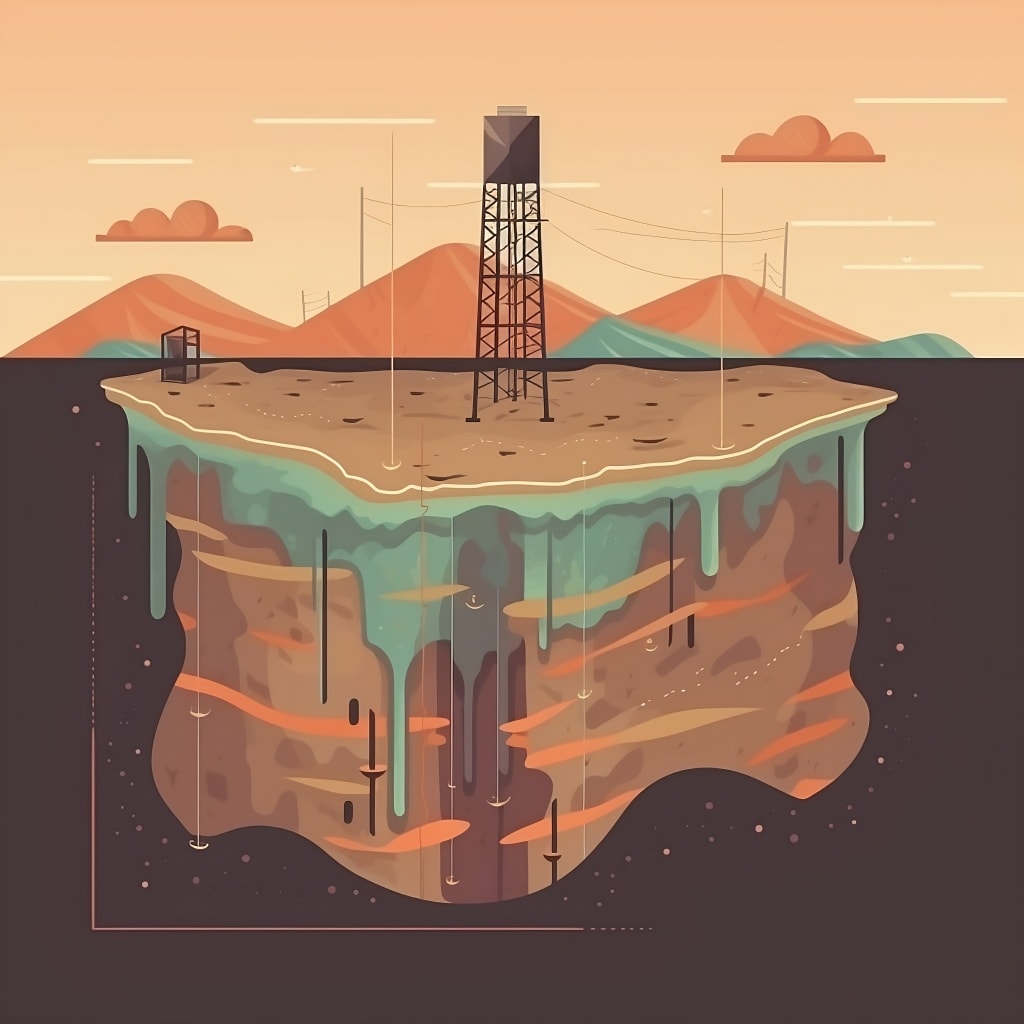
Since the Industrial Revolution, our energy consumption has consistently increased. The majority of this energy demand is met by fossil fuels like coal and natural gas. Recently, there has been much debate surrounding a controversial method of extracting natural gas: hydraulic fracturing, or fracking. In simple terms, fracking refers to the extraction of natural gas from deep layers within the Earth. This process involves fracturing porous rock using water, sand, and chemicals to release the trapped natural gas. Although the technique of fracking has been known since the 1940s, it has only experienced a significant "fracking boom" in the last decade, particularly in the United States.
The primary reason for this surge in fracking is that most conventional natural gas sources in the United States and Europe have been depleted. As a result, prices for natural gas and other fuels continue to rise. This trend has made more complex and costly methods, such as fracking, increasingly appealing and lucrative. To date, fracking has been employed over a million times in the United States alone, with more than 60% of all new oil and gas wells being drilled using this technique.
Let's examine the fracking process in detail: Initially, a well is drilled several hundred meters deep into the earth. From there, a horizontal borehole is created into the gas-bearing rock layer. Subsequently, the fracking fluid is injected into the ground using high-powered pumps. On average, this fluid comprises 8 million liters of water, equivalent to the daily consumption of 65,000 people, along with several thousand tons of sand and around 200,000 liters of chemicals. The mixture infiltrates the rock layer, generating countless minute fractures. The sand serves to prevent these cracks from sealing shut.
The chemicals serve various purposes, such as condensing the water, eliminating bacteria, or dissolving minerals. Following this, the majority of the fracking fluid is extracted. Now, the natural gas can be collected. Once the gas source is depleted, the borehole is sealed. Typically, the fracking fluid is then injected back into deep underground layers and sealed off. However, fracking is linked to several significant risks. The main risk involves the contamination of drinking water sources. Fracking not only requires large amounts of fresh water, but also results in the water becoming contaminated and highly toxic afterwards.
The contamination is so extreme that the water cannot be purified even in a treatment facility. Although the risk is known and could theoretically be managed, water sources in the USA have already been contaminated due to negligence. There is still uncertainty about how the trapped water will behave in the future, as no long-term studies have been conducted on the subject. The chemicals utilized in fracking range from hazardous to extremely toxic and cancer-causing substances, such as benzene or formic acid. Companies that employ fracking do not disclose the exact composition of the chemical mixtures. However, it is known that approximately 700 different chemical agents can be utilized in the process.
Another risk involves the release of greenhouse gases. The natural gas obtained through fracking is primarily composed of methane, a greenhouse gas that is 25 times more potent than carbon dioxide. Although natural gas is less harmful than coal when burned, the overall negative impacts of fracking on the climate balance are greater. First, the fracking process demands a substantial amount of energy consumption. Second, the drill holes are quickly depleted, making it necessary to drill fracking holes more frequently compared to conventional natural gas wells. Moreover, about 3% of the extracted gas is lost during the extraction process and escapes into the atmosphere.
So, how should we evaluate fracking and its anticipated benefits when weighing the pros and cons? When used correctly, this technique presents a short- to medium-term solution for meeting our need for more affordable energy. However, the long-term consequences of fracking remain unpredictable, and the risk it poses to our drinking water should not be underestimated.
About the Creator
Joshua Rogers
I Love creating educational and knowledgeable content so everyone can learn a little more about what affects us and our whole universe in our daily lives.
Keep reading
More stories from Joshua Rogers and writers in Earth and other communities.
Reaching the Stars: The Extent of Human Potential in the Universe
Are there boundaries we cannot surpass? Will there be destinations forever unattainable, regardless of our relentless efforts? Indeed, there are. Even armed with the most advanced science fiction technology, we find ourselves confined within our cosmic niche. How could this be possible? And what limits do we face? We reside in a tranquil section of the Milky Way, a spiral galaxy of average proportions, spanning approximately one hundred thousand light-years. It is home to billions of stars, gas clouds, dark matter, black holes, neutron stars, and planets, all centered around a colossal black hole at the heart of our galaxy.
By Joshua Rogers3 years ago in Earth
Mount Sinai, the World’s Oldest Monastery, and the Prophet’s Letter: Faith, History, and a Controversial Development Plan
At a sacred site revered by Muslims, Christians, and Jews alike, an ambitious modernization project has stirred debate after reports of graves being relocated—raising questions about heritage, memory, and the cost of progress.
By Irshad Abbasi 2 days ago in Earth



Comments
There are no comments for this story
Be the first to respond and start the conversation.