
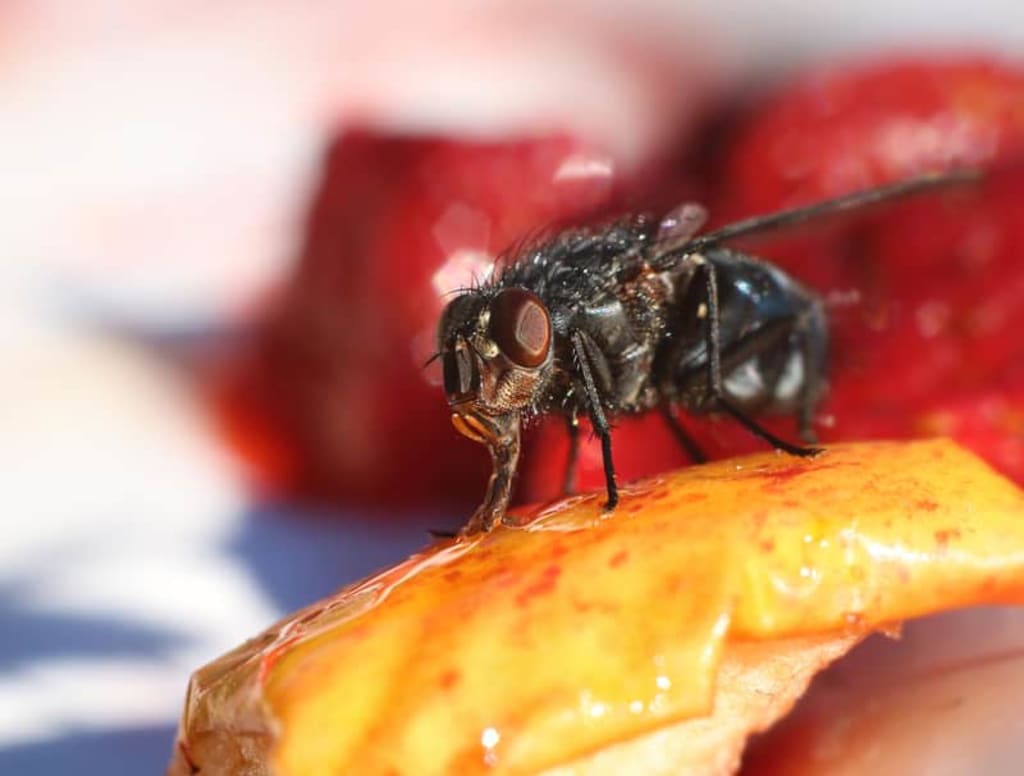
Flies, those tiny winged creatures that seem to be everywhere we go, have a fascinating history and play various roles in our ecosystems. Originating in Asia, flies have managed to spread across the globe, except for Antarctica and a few remote islands. Their migration is closely tied to human movement and the resources they provide. Flies are highly adaptable and have followed humans on their journeys, using human settlements as their new habitats.
One might wonder why flies are always found around human dwellings and not in the wilderness or deserts where humans are absent. The answer lies in the abundance of resources that humans provide. Flies are opportunistic creatures and thrive in areas where there is ample food and shelter. In urban environments, flies are attracted to rotting organic matter, garbage, and sewage. These waste products serve as rich sources of nutrition for them. Flies are not picky eaters and can consume a wide variety of materials, including decaying fruits and vegetables, feces, and even carrion.
To understand the behavior of flies, it's essential to examine their anatomy. Flies have hair all over their bodies, including their limbs. These hairs serve as detectors, allowing them to sense the presence of food and navigate through the air. However, these hairs can also accumulate dirt and debris. To keep their sensory organs clean, flies engage in the behavior of rubbing their limbs. By rubbing their limbs together, they remove any foreign particles and ensure their senses remain sharp.
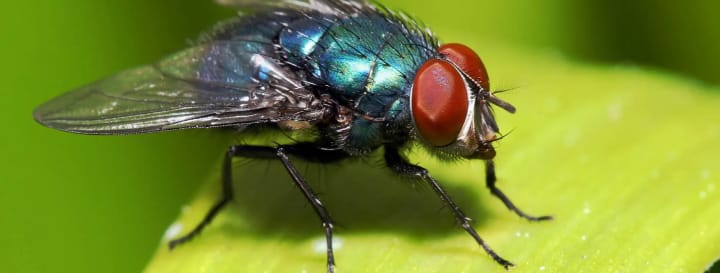
Interestingly, the limbs of flies serve more than just a cleaning function. They also contain taste receptors, allowing flies to taste with their feet. When a fly lands on a potential food source, it walks around and samples the food by using its limbs. This behavior enables flies to assess the taste and suitability of the food before consuming it. Flies are unable to chew solid food, so they rely on a unique mechanism to make it consumable. They regurgitate digestive juices onto their food, breaking it down into smaller, liquid-like pieces that can be ingested. This process not only allows flies to extract nutrients but also frees up space in their stomachs for subsequent meals.
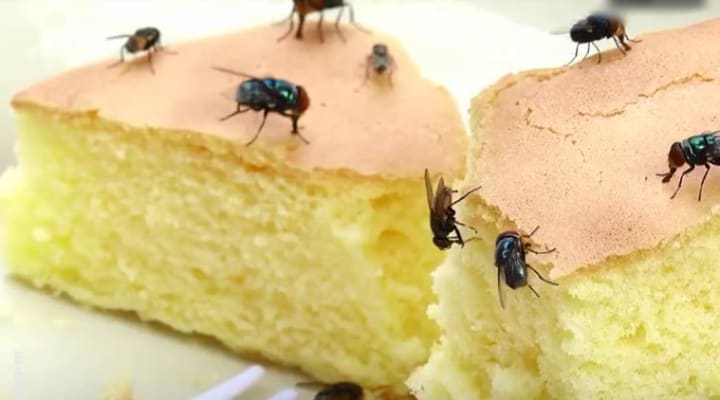
While flies may appear harmless, they can pose significant risks to human health. Flies are known to frequent unsanitary places such as rotting foods, dumpsters, and animal waste. As they land on our food, they transfer germs and microorganisms from these sources. Some of these microorganisms can cause diseases like cholera and typhoid. It is crucial to be mindful of fly contamination and take measures to protect our food. Covering food and promptly shooing away flies can help minimize the risk of foodborne illnesses.
Flies, however, are not entirely detrimental. They serve important ecological roles, such as pollination and waste recycling. Flies are efficient pollinators, especially for plants that rely on small, inconspicuous flowers. As flies collect nectar, pollen gets stuck to their bodies, and they inadvertently transfer it to other flowers, aiding in the reproductive cycle of various plant species. Additionally, flies contribute to waste decomposition. They help break down organic matter, returning nutrients to the soil and facilitating the recycling of nutrients within ecosystems.
Apart from their cleaning and pollination abilities, flies possess unique physical characteristics. One of their remarkable traits is their ability to walk on both horizontal and vertical surfaces, including upside down. This extraordinary feat is made possible by the presence of hair and pads on their feet, which secrete a glue-like substance, providing them with an excellent grip. Furthermore, flies have compound eyes, consisting of thousands of smaller eyes, giving them a wide field of vision. They can see nearly 360 degrees without the need for eye movement. This panoramic vision allows flies to detect potential threats and navigate their surroundings effectively.
About the Creator
Without Democracy, Donald Trump’s Venezuelan Oil Quest Will Fail
Donald Trump’s renewed interest in Venezuelan oil may seem, on the surface, like a hard-nosed geopolitical calculation. Venezuela holds the world’s largest proven oil reserves, and amid global energy uncertainty, access to those resources is undeniably tempting. But history, economics, and politics all point to the same conclusion: without democratic reform in Venezuela, any attempt by a Trump-led US administration to secure reliable Venezuelan oil will ultimately fail.
By Aarif Lashari4 days ago in Earth




Comments