
What Do Snail Eggs Look Like? Key Characteristics and Colors
Understanding the Appearance of Snail Eggs: A Comprehensive Guide

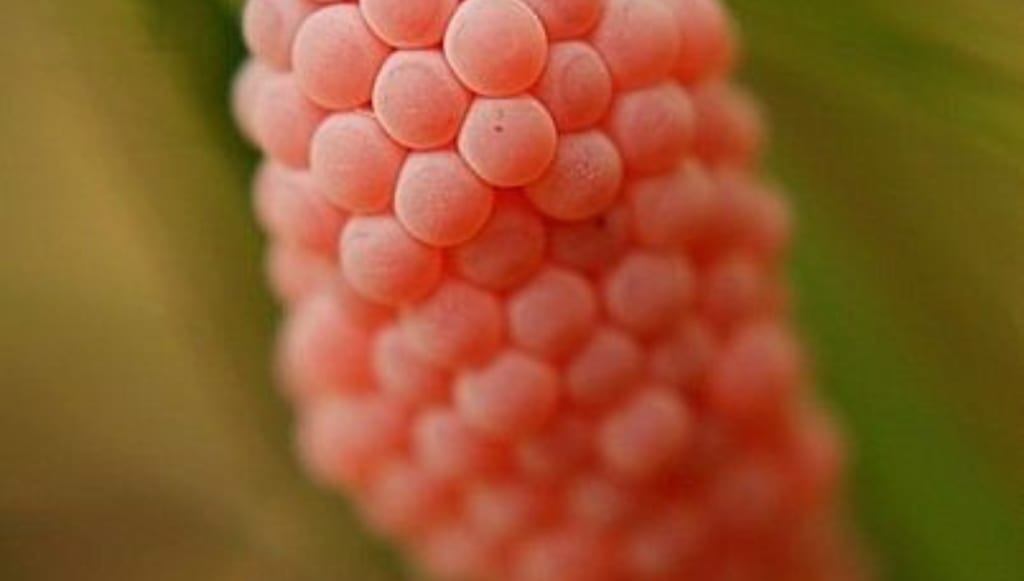
Snail eggs are intriguing and diverse in appearance, reflecting the wide variety of snail species. So, what do snail eggs look like? Typically small, these eggs can range from translucent to opaque, often exhibiting colors like white, pink, or even yellowish hues. They are usually laid in clusters, adhering to surfaces such as rocks, plants, or aquarium walls. The texture of snail eggs is gelatinous, providing a protective environment for the developing embryos inside. Understanding the characteristics of snail eggs is essential for identifying different species and managing their populations in gardens and aquariums effectively.
Overview of Snail Eggs
Snail eggs are fascinating structures that vary significantly in appearance depending on the species of snail. So, what do snail eggs look like? Understanding their characteristics can help in identifying different snail species and managing their populations, particularly in gardening and aquarium settings. This article will explore the various attributes of snail eggs, including their size, shape, color, texture, and the environments in which they are typically found.
What do snail eggs look like ?
Snail eggs vary in appearance based on species, but they generally share several key characteristics:
- Shape: Typically small, round, or oval-shaped.
- Color: Commonly translucent, pale white, pink, or yellowish; some may appear brown or opaque.
- Texture: Gelatinous or jelly-like, providing protection for developing embryos.
- Clusters: Often laid in clusters, with numbers ranging from 20 to over 100 eggs.
- Size: Usually about 1/8 inch (3 mm) in diameter, though some can be larger or smaller depending on the species.
These features help distinguish snail eggs from other similar objects in their environment.
The Lifecycle of Nerite Snail Eggs: From Eggs to Larvae
General Characteristics
Shape and Size
Snail eggs are generally small and can be either round or oval-shaped. Most commonly, they measure around 1/8 inch (approximately 3 mm) in diameter, although this can vary among species. For example, some species produce larger capsules while others have smaller eggs that may be as tiny as a pinhead. The eggs are often laid in clusters, with a single clutch containing anywhere from 20 to over 100 eggs.
Texture
The texture of snail eggs is typically gel-like or jelly-like. This gelatinous consistency serves multiple purposes: it protects the developing embryos from desiccation and mechanical damage while also providing a suitable environment for growth. The thickness and consistency of this gel can vary among different snail species.
Color Variations
Snail eggs exhibit a range of colors, which can provide insights into their species and habitat:
- Translucent or Pale White: Many snail eggs appear clear or pale white, allowing visibility of the developing embryos inside. These eggs may have a shiny or glossy finish.
- Opaque White: Some snails lay more opaque white eggs that obscure the view of the embryos.
- Pink or Yellowish: Certain aquatic snails produce eggs that are pink or yellowish, often seen in species like apple snails.
- Brown or Dark-Colored: Terrestrial snails may lay brown or darker eggs that blend into their surroundings, such as soil or leaf litter.
- Green or Algae-Covered: Aquatic snail egg masses can appear green due to algae growth on the egg capsules, providing camouflage against predators.
Changes Over Time
The coloration of snail eggs can change as they develop. Initially translucent, the color may deepen as the embryos mature. This change can also indicate the health of the eggs; for example, a shift to darker colors accompanied by an unpleasant odor may signify that the eggs have rotted.
Habitat and Laying Behavior
Preferred Environments
Snail eggs are typically laid in dark, damp places where conditions are favorable for hatching. Common locations include:
- Under rocks
- Among vegetation
- In compost piles
- On aquarium surfaces such as glass and decorations
Aquatic snails often lay their eggs on hard surfaces within the tank, while some species prefer to deposit them above water to maintain moisture levels essential for successful hatching.
Laying Patterns
The laying patterns of snails can vary widely:
- Some snails lay their eggs in clusters, while others may lay them singularly.
- The egg masses can take on different formats—from globules to patches—depending on the species.
- For instance, ramshorn snails are known for laying small reddish to brown balls, while apple snails produce large bright pink egg clusters above waterlines.
Identification Tips
Identifying snail eggs is crucial for gardeners and aquarium enthusiasts alike who wish to manage snail populations effectively. Here are some tips for distinguishing snail eggs from other similar-looking objects:
- Size Comparison: Snail eggs are generally smaller than common garden pests' droppings or fertilizer granules.
- Texture Test: Gently compressing a suspected egg will cause it to squash without popping or leaking fluid—a key indicator that it is indeed a snail egg.
- Color Observation: Noting the color and transparency can help narrow down the potential species.
Conclusion
Understanding what snail eggs look like is essential for anyone interested in gardening or maintaining aquariums. So, what do snail eggs look like? Their small size, gel-like texture, and varying colors make them unique yet identifiable structures. By recognizing these characteristics, enthusiasts can better manage snail populations and appreciate the diversity of these mollusks in their natural habitats. Whether dealing with garden pests or nurturing aquatic life, knowledge about snail eggs is invaluable for effective management and conservation efforts.
FAQs about What Snail Eggs Look Like
What is the typical size of snail eggs?
Snail eggs are generally small, measuring about 1/8 inch (3 mm) in diameter, though sizes can vary depending on the species.
What colors do snail eggs come in?
Snail eggs can be translucent, pale white, pink, yellowish, brown, or even greenish due to algae growth. The coloration often varies by species and environmental conditions.
How are snail eggs laid?
Snail eggs are usually laid in clusters or masses, often adhering to surfaces like rocks, plants, or aquarium walls. A single clutch can contain anywhere from 20 to over 100 eggs.
What is the texture of snail eggs?
The texture of snail eggs is typically gelatinous or jelly-like, which helps protect the developing embryos from environmental hazards.
How can I identify snail eggs?
Snail eggs are often oval-shaped and may appear shiny or glossy. They can be distinguished from other objects by their small size and unique gelatinous consistency; when compressed, they will squash without popping.
About the Creator
Arjun
Aquarium hobbyist sharing simple, real-world fixes for snail, shrimp, and plant problems. Clear guides, no fluff just practical tips to keep your tank healthy and thriving.
The Universe That Dreams Us
For centuries, humanity believed the universe was expanding. Galaxies drifting farther apart. Space stretching endlessly like an invisible fabric. The theory had been supported by decades of observations, especially from the famous Hubble Space Telescope, which showed distant galaxies moving away from Earth in every direction.
By Abubakar220about 20 hours ago in Earth




Comments
There are no comments for this story
Be the first to respond and start the conversation.