
Unlocking the Secrets of Aquarium Snail Eggs: Tips for Breeders
Aquarium Snail Eggs: Signs, Care, and What to Expect


Breeding aquarium snails can be a captivating journey for aquarists, offering a unique glimpse into the fascinating reproductive behaviors of these creatures. From the vibrant colors of their eggs to the delicate process of hatching, understanding snail reproduction is essential for successful breeding. Whether you’re a seasoned aquarist or a curious beginner, unlocking the secrets of aquarium snail eggs can enhance your aquatic experience and contribute to a thriving tank ecosystem.
Understanding Different Types of Aquarium Snail Eggs
Aquarium snails come in various species, each with unique breeding habits and egg-laying characteristics. The most common types include:
Mystery Snails: These snails lay their eggs above the waterline in clutches that resemble pinkish or whitish jelly-like masses. Each clutch can contain hundreds of eggs, which typically hatch within 1 to 4 weeks depending on environmental conditions.
Mystery Snail Eggs: What Every Aquarist Should Know
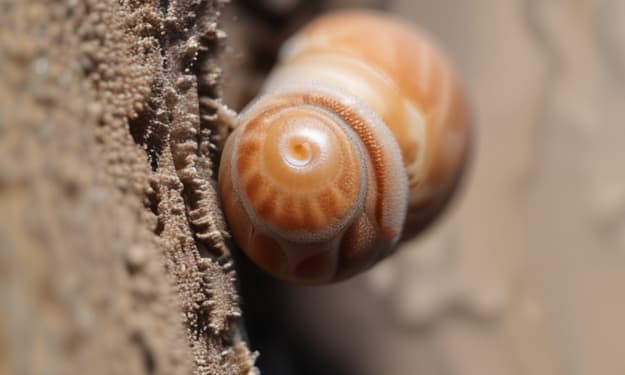
Ramshorn Snails: Known for their distinctive spiral shells, ramshorn snails lay translucent jelly-like clusters of eggs. Healthy eggs often appear slightly pink, while white or discolored eggs may indicate infertility or disease. These eggs usually hatch within 2 to 3 weeks.
Nerite Snails: Unlike other snails, nerite snails require brackish water for their eggs to hatch. They lay small, clear eggs that adhere to surfaces in the tank. Hatching typically takes 2 to 4 weeks under optimal conditions.
The Lifecycle of Nerite Snail Eggs: From Eggs to Larvae
Preparing for Breeding
To successfully breed aquarium snails, creating an optimal environment is crucial. Here are some tips to prepare your tank:
Tank Setup: Ensure your aquarium is well-established with stable water parameters. Most snails thrive in a pH range of 7.0-7.5 and a temperature between 70-78°F (21-26°C). Adding live plants can provide hiding spots and food sources for the snails.
Diet: A balanced diet is essential for breeding success. Provide high-calcium foods such as algae wafers, blanched vegetables (like zucchini or spinach), and commercial snail food to promote healthy egg production.
Water Quality: Regularly monitor and maintain water quality by performing partial water changes and checking ammonia and nitrite levels. Clean water supports healthy breeding conditions.
Breeding Process to Aquarium Snail Eggs
Once your tank is prepared, follow these steps to facilitate breeding:
Introduce Mating Pairs: For species like mystery snails, introduce a male and female into the breeding tank. Mystery snails are not hermaphrodites; thus, both sexes are necessary for reproduction. In contrast, ramshorn snails are hermaphroditic and can breed with any other ramshorn snail.
Mating Rituals: Observe the mating behaviors of your snails. Mating can last from one to six hours for mystery snails, during which the male will position himself over the female to transfer sperm.
Egg Laying: After mating, females will deposit their eggs in suitable locations above the waterline (mystery snails) or on surfaces within the tank (ramshorn snails). Ensure that there is adequate space for egg-laying; lowering the water level slightly can encourage egg deposition.
Caring for Snail Eggs
Once the eggs are laid, proper care is essential to ensure successful hatching:
Humidity and Temperature: Maintain a warm and humid environment for egg clutches above the waterline (mystery snails). A tight-fitting lid on the aquarium can help retain moisture1. For submerged eggs (ramshorn), ensure stable water temperatures.
Monitoring Eggs: Regularly check on the eggs for signs of health. Healthy ramshorn snail eggs should exhibit a slight pink hue, while discoloration may indicate issues like fungus or infertility.
Hatching Conditions: Depending on the species, adjust conditions as needed:
- For nerite snail eggs, transfer them to brackish water once they are ready to hatch.
- For mystery and ramshorn snails, keep conditions stable until hatching occurs.
Post-Hatching Care
After hatching, baby snails will emerge looking like miniature adults:
Feeding Baby Snails: Newly hatched snails require fine food particles such as powdered algae or crushed flakes until they grow large enough to consume regular snail food.
Space Management: Monitor population growth closely; overpopulation can lead to competition for resources and deteriorating water quality. If necessary, consider relocating excess snails to another tank or finding them new homes.
Water Quality Maintenance: Continue regular maintenance practices to ensure a healthy environment for both adult and juvenile snails.
Common challenges : Aquarium Snail Eggs
Breeding aquarium snails can come with challenges:
Infertile Eggs: If you notice many white or discolored eggs, it may indicate infertility or disease in your breeding stock. Evaluate your feeding regimen and overall tank health.
Low Hatching Rates: Ensure that environmental conditions such as temperature and salinity (for nerite snails) are optimal during incubation.
Overpopulation: If you find yourself overwhelmed by baby snails, consider implementing population control measures such as selective hatching or relocating some individuals.
Final Words
Breeding aquarium snails can be an engaging experience that enriches your aquatic ecosystem while providing valuable insights into their reproductive behaviors. By understanding the specific needs of different snail species regarding egg-laying and care, you can successfully unlock the secrets of aquarium snail eggs and enjoy a thriving population in your tank. With patience and attention to detail, you’ll find that nurturing these fascinating creatures is both rewarding and educational!
Faqs
How to get rid of aquarium snail eggs?
Scrape them off surfaces or use a siphon.
What do snail eggs look like in aquarium?
Jelly-like clusters, often translucent or pinkish.
How long do snail eggs take to hatch in an aquarium?
Typically 1 to 4 weeks, depending on species.
Should I remove snail eggs from my aquarium?
Yes, to prevent overpopulation or for aesthetic reasons.
How to identify snail eggs in a fish tank?
Look for jelly-like sacs attached to surfaces.
About the Creator
Arjun
Aquarium hobbyist sharing simple, real-world fixes for snail, shrimp, and plant problems. Clear guides, no fluff just practical tips to keep your tank healthy and thriving.


Comments (1)
I love breeding snails! Great work!