
Watering Wisely: Techniques for Deep Roots and Drought Tolerance
Most gardeners water wrong. Not through lack of caring, but through habit. A little sprinkle every evening, a quick once-over with the hose, a few minutes of attention before dinner. It feels right. It looks right. The soil surface darkens, and you walk away satisfied.

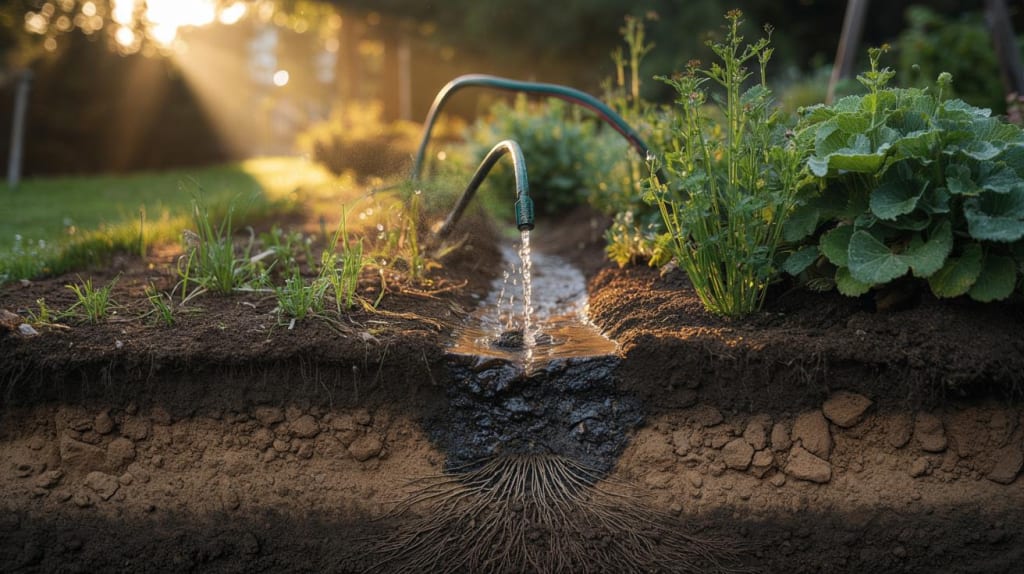
But beneath the surface, that shallow sprinkle is doing more harm than good. It encourages shallow roots that stay near the surface, dependent on your daily attention. When you forget to water—or when vacation or life intervenes—those shallow roots have no way to reach deeper moisture. Your plants wilt, stress, and sometimes die.
Deep, infrequent watering is the secret to healthier, more resilient plants. It trains roots to grow downward, seeking moisture deep in the soil. Once established, deeply rooted plants withstand drought, require less frequent watering, and grow stronger overall.
💧 The Science of Deep Watering
Why Shallow Watering Fails
When you apply small amounts of water frequently, only the top inch or two of soil becomes moist. Plant roots, following the water, concentrate in this shallow zone. This creates several problems:
- Rapid drying: Surface soil loses moisture quickly to evaporation.
- Temperature stress: Shallow roots overheat in summer and freeze in winter.
- Dependency: Plants need water constantly, with no reserve to draw upon.
- Weak anchorage: Shallow roots don't hold plants securely.
The Deep Root Advantage
Deep watering—applying enough water to penetrate 6-12 inches into the soil—encourages roots to follow. Once established, deep-rooted plants:
- Access moisture reserves during dry spells
- Find nutrients from deeper soil layers
- Anchor firmly against wind and weather
- Tolerate neglect when life gets busy
The Simple Test
After watering, wait an hour, then dig a small hole near the plant. How deep is the moisture? If it's only wet at the surface, water longer next time. Aim for consistent moisture at least 6 inches deep.
⏱️ Timing Matters: When to Water
Morning Is Best
Watering in early morning (before 10 a.m.) is ideal because:
- Less evaporation loss than midday
- Foliage dries quickly, reducing disease risk
- Plants have moisture available for the day's heat
Evening Is Acceptable
If morning isn't possible, evening watering works, but keep water at soil level. Wet foliage overnight encourages fungal diseases.
Avoid Midday
Watering in peak heat wastes water through evaporation and can scorch leaves if droplets magnify sunlight.
🌿 Training Plants for Drought Tolerance
Deep watering alone builds drought tolerance, but combine it with these practices for maximum resilience:
1. Water Less Frequently
Once deep roots are established, you can space waterings further apart. A plant watered deeply every 5-7 days develops better drought tolerance than one watered shallowly every 2 days. The drying period between waterings encourages roots to keep searching downward.
2. Mulch Heavily
A 2-4 inch layer of organic mulch (wood chips, shredded leaves, straw) dramatically reduces evaporation, keeping soil moisture available longer. Mulch also moderates soil temperature, reducing stress.
3. Choose Drought-Tolerant Plants
Some plants are naturally adapted to dry conditions. Mediterranean herbs (rosemary, lavender, thyme), many native plants, and succulents thrive with less water once established.
4. Improve Soil Organic Matter
Compost and organic matter increase soil's water-holding capacity. Sandy soil drains too quickly; clay soil can become waterlogged. Organic matter improves both extremes, holding moisture in sand and creating pores in clay.
5. Group Plants by Water Needs
Place thirsty plants together and drought-tolerant plants separately. This "hydrozoning" lets you water efficiently without overwatering some or underwatering others.
🌱 Recognizing Water Stress
Even deeply rooted plants need water eventually. Learn to read the signs:
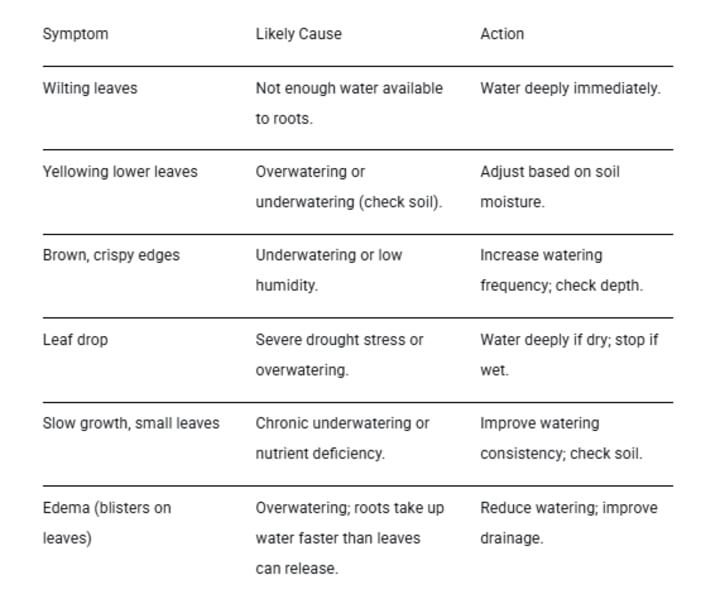
When you're unsure whether a plant is suffering from too much or too little water—a common confusion—a reliable plant identification app can help. Upload a photo of the symptoms, and the app can cross-reference with that plant's specific needs, helping you distinguish between drought stress and root rot before you make the problem worse.
🌧️ Rainwater: Nature's Perfect Irrigation
If you have the space, consider harvesting rainwater:
- Rain barrels capture roof runoff for garden use
- Rainwater is free of chlorine and fluoride found in tap water
- Plants often respond better to rainwater than treated municipal water
Use collected rainwater for containers and vegetable gardens where water quality matters most.
🌟 The Long View
Deep watering is an investment in your garden's future. The first season, you'll water less frequently but for longer durations. You'll need patience while roots establish. You may worry that you're not watering enough.
But by year two, the difference becomes obvious. Your plants withstand dry spells that leave neighbors' gardens wilting. You water half as often. Your perennials return stronger each spring. And when vacation time arrives, you leave with confidence, knowing your deeply rooted garden can manage a week or more without you.
That peace of mind—and the healthier plants that come with it—is worth every minute of slow, deep watering.
About the Creator
Emma Wallace
Director of Research and Development at AI Plant Finder (Author)
Emma Wallace is an esteemed researcher and developer with a background in botany and data analytics.
Keep reading
More stories from Emma Wallace and writers in Earth and other communities.
The Problem with Invasive Plants: Identification and Responsible Removal
This scenario plays out in gardens across the continent. Many invasive plants started as intentional garden introductions, valued for their beauty, vigor, and ease of growth. Those same qualities—rapid spread, adaptability, and resilience—make them ecological threats when they escape cultivation.
By Emma Wallacea day ago in Earth
Mount Sinai, the World’s Oldest Monastery, and the Prophet’s Letter: Faith, History, and a Controversial Development Plan
At a sacred site revered by Muslims, Christians, and Jews alike, an ambitious modernization project has stirred debate after reports of graves being relocated—raising questions about heritage, memory, and the cost of progress.
By Irshad Abbasi 6 days ago in Earth


Comments
There are no comments for this story
Be the first to respond and start the conversation.