
Water Scarcity
Challeges,Causes, and Sustainable Solutions

Introduction :
Water scarcity refers to the limited availability of freshwater resources to meet the demands of human populations and ecosystems. It is a pressing global issue driven by factors such as population growth, industrialization, and climate change. The strain on freshwater resources poses significant challenges for sustainable development, human health, and environmental well-being. This comprehensive note will explore the causes and consequences of water scarcity, discuss sustainable water management strategies, conservation practices, and the importance of ensuring access to clean water for all.
I. Causes of Water Scarcity :
Population Growth: The world's population is growing rapidly, increasing the demand for water resources. More people require water for drinking, sanitation, agriculture, and industrial purposes, putting pressure on limited freshwater sources.
Industrial and Agricultural Demands: Industrialization and intensive agriculture consume vast amounts of water. Industries rely on water for manufacturing processes, cooling systems, and energy production, while agriculture accounts for the largest share of water withdrawals globally. The need for water-intensive crops, such as rice and cotton, exacerbates the strain on water resources.
Climate Change: Climate change alters precipitation patterns, leading to more frequent and severe droughts, floods, and changes in water availability. Rising temperatures also increase evaporation rates, further depleting water sources. Climate change exacerbates water scarcity, particularly in regions already vulnerable to water stress.
Inefficient Water Management: Poor water governance, infrastructure, and management practices contribute to water scarcity. Inefficient irrigation systems, inadequate water storage, and distribution networks result in wastage and uneven water distribution. Water pollution and contamination further limit the usable freshwater supply.
II. Impacts of Water Scarcity :
Human Health and Well-being: Water scarcity affects human health, leading to increased waterborne diseases and inadequate sanitation. Lack of clean water hinders proper hygiene practices, contributing to the spread of illnesses such as diarrhea, cholera, and dysentery. Women and children, who are often responsible for water collection, suffer the most from the burden of water scarcity.
Food Security: Agriculture relies heavily on water availability. Water scarcity limits agricultural productivity, affecting crop yields and livestock production. Regions facing water scarcity may struggle to meet food demands, leading to increased food prices, malnutrition, and food insecurity.
Ecosystem Degradation: Water scarcity disrupts aquatic ecosystems, leading to the degradation of wetlands, rivers, and lakes. Reduced water flows and depleted water levels impact aquatic biodiversity, fish populations, and the overall health of ecosystems. Additionally, water scarcity reduces the ability of ecosystems to provide vital services, such as water filtration and flood regulation.
Economic Implications: Water scarcity hampers economic development and growth. Industries reliant on water face production constraints, and agriculture suffers from decreased yields and income instability. Water scarcity can also lead to conflicts over water resources, further impacting regional stability and economic progress.
Social Disparities: Water scarcity disproportionately affects marginalized communities, exacerbating social inequalities. Lack of access to clean water limits educational opportunities, perpetuates poverty cycles, and hinders economic empowerment. Women and girls often bear the burden of water collection, impacting their education, income-generating activities, and overall well-being.
III. Sustainable Solutions :
Water Conservation and Efficiency: Implementing water conservation practices, such as efficient irrigation systems, water-efficient technologies, and public awareness campaigns, can significantly reduce water demand. Improving water use efficiency in agriculture, industry, and households helps optimize water allocation and minimize wastage.
Integrated Water Resource Management (IWRM): IWRM emphasizes the holistic management of water resources, considering social, economic, and environmental factors. It promotes coordinated planning, stakeholder engagement, and the integration of water-related policies to ensure sustainable water use, allocation, and protection.
Rainwater Harvesting and Water Reuse: Capturing rainwater and treating and reusing wastewater can alleviate water scarcity. Rainwater harvesting techniques, such as rooftop collection systems and storage tanks, provide a decentralized water supply. Treating and reusing wastewater for non-potable purposes, such as irrigation or industrial processes, reduces the demand for freshwater resources.
Watershed Management: Protecting and restoring watersheds is vital for maintaining water availability. Conserving forests, rehabilitating degraded lands, and implementing soil and water conservation practices help preserve water quality, regulate water flows, and recharge aquifers. Watershed management also involves community involvement and participatory approaches.
Climate Change Adaptation: Addressing the impacts of climate change is crucial in combating water scarcity. Adaptation measures, such as water-efficient farming techniques, resilient infrastructure, and water storage facilities, can help manage changing water availability and reduce vulnerability to droughts and floods.
International Cooperation and Governance: Water scarcity often crosses national boundaries, necessitating international cooperation for effective management. Collaborative agreements, transboundary water sharing mechanisms, and information sharing platforms promote equitable water allocation, conflict resolution, and sustainable water management.
Ensuring Access to Clean Water for All: Access to clean water and sanitation is a fundamental human right. Governments, international organizations, and civil society must work together to provide safe drinking water and improved sanitation facilities to underserved communities. Investments in infrastructure, capacity building, and community-based water management initiatives are vital in achieving universal access to clean water.
Conclusion :
Water scarcity poses significant challenges to sustainable development, human well-being, and ecosystem health. Addressing the causes and consequences of water scarcity requires a multi-faceted approach involving sustainable water management practices, conservation efforts, and ensuring access to clean water for all. By implementing efficient water use, integrating water resource management, and adapting to climate change, we can mitigate the impacts of water scarcity and safeguard this precious resource for current and future generations.
About the Creator
Keep reading
More stories from Adamu Hafizu Chiroma and writers in Earth and other communities.
Deforestation
Introduction : Deforestation is the permanent removal of forests or the conversion of forested lands to non-forest uses. This process is primarily driven by human activities such as agriculture, logging, and urbanization. Deforestation has profound negative impacts on climate change, biodiversity loss, and indigenous communities. Therefore, it is crucial to understand the causes, consequences, and efforts required to reduce deforestation and promote reforestation. This comprehensive note will delve into the causes of deforestation, explore its environmental and social impacts, and discuss the various conservation strategies aimed at mitigating this critical issue.
By Adamu Hafizu Chiroma3 years ago in Earth
Images Show Aftermath of Deadly Crash on Thai Railway Line
Some images stay with you long after you scroll past them. The photographs coming out of Thailand this week do exactly that. Twisted steel, overturned train carriages, scattered luggage, and exhausted rescue workers tell a devastating story — one that words alone cannot fully explain. A deadly crash on a Thai railway line has claimed multiple lives and left dozens injured, turning an ordinary journey into a nightmare. As images from the scene circulate globally, they reveal not just destruction, but grief, courage, and difficult questions about safety in one of Southeast Asia’s busiest rail networks. A Normal Journey That Ended in Disaster For the passengers on board, the day began like any other. People were heading to work, returning home, or traveling to see family. The train moved steadily along the tracks — until everything suddenly changed. According to officials, the crash occurred when heavy construction equipment collapsed onto an active railway line, striking a moving passenger train. The impact derailed multiple carriages, causing chaos inside the train as metal twisted and windows shattered. Within moments, smoke filled the air and cries for help echoed from inside the wreckage. For many passengers, there was no time to react. What the Images Reveal The aftermath photos are haunting. In some images, train carriages lie on their sides, crushed and burned. In others, rescue teams climb over debris, cutting through metal to reach trapped passengers. Personal belongings — backpacks, shoes, food containers — are scattered across the tracks, quiet reminders of lives abruptly interrupted. One particularly striking image shows emergency workers standing silently beside the wreckage, their faces reflecting exhaustion and sorrow. These visuals do more than document damage; they capture the emotional weight of the tragedy. Images like these remind us how fragile routine can be — how quickly normal life can turn into crisis. The Human Cost of the Crash Authorities confirmed that multiple people lost their lives, while dozens were injured, some critically. Hospitals in nearby areas were quickly overwhelmed as ambulances transported victims from the scene. Families rushed to medical centers, searching for loved ones. For many, the wait for information was agonizing. Phone calls went unanswered. Names were not immediately confirmed. In moments like these, uncertainty can be as painful as loss itself. Survivors have described scenes of panic, confusion, and shock. Some helped fellow passengers escape wrecked carriages. Others waited helplessly, trapped until rescuers could reach them. Rescue Efforts Under Pressure Emergency response teams acted quickly, working against time and unstable conditions. Firefighters, paramedics, and volunteers used cutting tools and heavy machinery to clear wreckage and pull survivors to safety. Despite the dangers, many rescuers worked for hours without rest. Some images show medics kneeling beside injured passengers on the ground, administering care before transport. Others show cranes lifting destroyed train cars away from the tracks. Their efforts likely saved lives — but the scale of the damage made the operation incredibly challenging. How Did This Happen? As the shock begins to settle, attention has turned to how such a catastrophic accident was allowed to occur. Early reports suggest the crash involved construction work taking place near or above an active railway line. This has raised serious concerns about oversight, safety planning, and coordination between construction teams and railway authorities. Questions being asked include: Why was heavy equipment operating so close to a moving passenger train? Were safety inspections properly conducted? Were warning systems or track closures considered? An official investigation is now underway, but for many families, answers will come too late. A Wake-Up Call for Railway Safety Thailand has invested heavily in rail infrastructure in recent years, aiming to modernize transport and improve connectivity. But this tragedy highlights the risks that come with rapid development when safety measures fail or are ignored. Experts warn that construction near live railway lines requires strict controls, constant monitoring, and zero tolerance for shortcuts. Even a single failure can lead to irreversible consequences — as this crash painfully demonstrates. Public trust in rail safety has been shaken, and restoring it will require transparency, accountability, and meaningful reform. Grief, Solidarity, and Remembrance In the days following the crash, communities across Thailand have expressed sorrow and support. Vigils have been held. Messages of condolence continue to pour in. Volunteers have donated blood and supplies to help victims and hospitals. The images from the scene have united people in grief — not just in Thailand, but around the world. They serve as a reminder that behind every headline are real people, real families, and real loss.
By Muhammad Hassan6 days ago in Earth
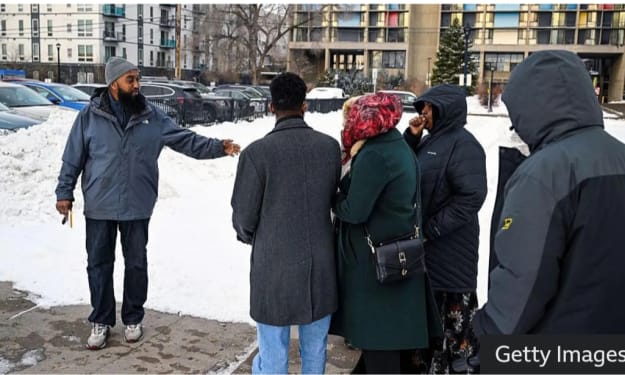
Trump Administration Moves to End Deportation Protection for Somalis
The Trump administration has moved to end long-standing deportation protections for Somali nationals living in the United States, a decision that could place tens of thousands of people at risk of removal. The move has sparked alarm among immigrant communities, human rights organizations, and legal experts, who warn that returning Somalis to a country still grappling with instability could have severe humanitarian consequences. As the policy change unfolds, it has reignited debate over immigration enforcement, executive authority, and America’s obligations to people fleeing conflict.
By Aarif Lashari6 days ago in Earth



Comments
There are no comments for this story
Be the first to respond and start the conversation.