
In the subject of waste management, two essential techniques are waste reduction and source separation. The goal of these strategies is to maximise resource recovery while minimising the amount of garbage that is generated. These practises are extremely important in terms of limiting the negative effects that trash disposal has on the surrounding environment, fostering sustainability, and preserving resources.
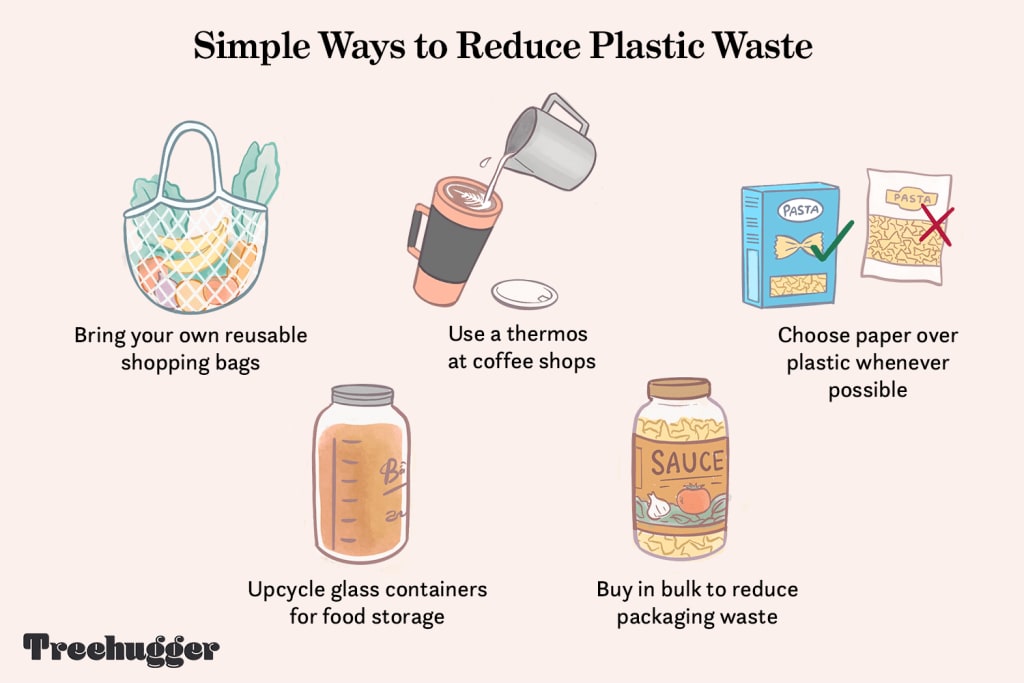
Waste reduction is primarily concerned with avoiding the creation of waste in the first place. It promotes people on an individual level, as well as corporations and industries, to adopt practises that reduce the amount of trash produced. Utilising items for several purposes rather than throwing them away after one usage is one of the most efficient ways to cut down on waste. It is possible to reduce the amount of trash produced significantly by selecting reusable versions of commonly used items, such as water bottles, shopping bags, and coffee cups, rather than their single-use counterparts. This not only lowers the demand for things that only require a single use, but it also lowers the amount of waste that ultimately winds up in landfills or incinerators.
Eliminating products with a single purpose is another important step in cutting down on waste. Products that are only intended to be used once, such as plastic cutlery, straws, and packaging, are a major factor in the accumulation of garbage and the pollution it causes. The amount of garbage that is produced can be considerably cut down if people choose alternatives such as materials that are biodegradable or compostable, or if people move to alternatives that are long-lasting and robust.
The development of effective packaging is another essential component of waste minimization efforts. Packaging plays an important part in the distribution and protection of products; yet, excessive or unrecyclable packaging can lead to unneeded waste. The amount of waste that is produced can be cut down to a manageable level by using resource-saving packaging designs that make efficient use of resources, are simple to recycle, or make use of eco-friendly substitutes.
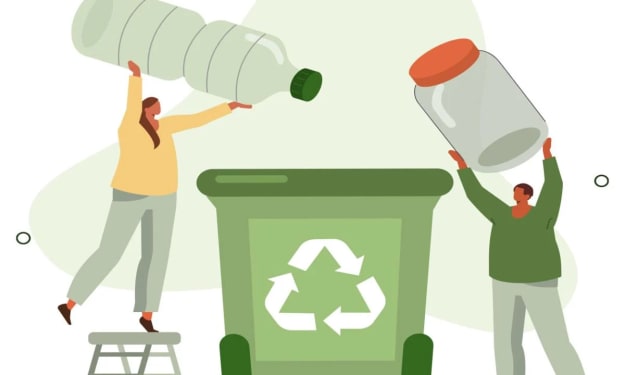
The process of separating recyclable materials from those that cannot be recycled requires the sorting of garbage at the point where it is generated. This practise makes it possible to redirect recyclable materials to the right recycling facilities, where they can be processed and utilised as feedstock for the production of new products. Paper, plastics, glass, and metals are examples of materials that are frequently recycled. It is possible to recycle and return these materials into the production cycle if they are first separated from the general waste stream. This helps to conserve resources and reduces the demand for fresh materials.
The practise of source separation can be carried out on many different scales, from the level of individual houses to that of commercial and industrial institutions. Recycling bins that are correctly labelled and educational programmes are two things that can help promote awareness of the need for source separation activities and encourage people to engage in those efforts. When done correctly, source separation has the potential to improve both the quality and quantity of materials that may be recycled, so contributing to a recycling process that is both more effective and economically viable.
Composting and technology that convert garbage into energy are two examples of waste diversion practises that are available in addition to source segregation and waste reduction. The process of composting involves the breakdown of organic waste materials to produce compost that is rich in nutrients. This compost can then be utilised as a soil amendment in agricultural practises and landscaping projects. Technologies that turn trash into energy, such as incineration and anaerobic digestion, lessen our reliance on fossil fuels and bring about a reduction in the emissions of greenhouse gases.
In conclusion, the most important practises in the field of waste management are waste reduction and source separation. It is possible to reduce the amount of trash produced by adopting various waste reduction tactics, such as utilising products with many uses, avoiding items with a single purpose, and introducing designs for efficient packaging. Source separation permits the diversion of recyclable materials to facilities for recycling, which in turn promotes the conservation of resources and reduces the impact on the environment. We can get closer to a more sustainable and circular system of waste management if we put these practises into action. Such a system would produce less garbage, preserve more resources, and leave a smaller imprint on the environment.
About the Creator
IN Seyha
I am the one who love to learn news things and love reading. I want to share what I have read with you too.
Human Revenge: A Hidden Cause Behind the Decline of Snow Leopards
High in the rugged mountains of Central and South Asia lives one of the world’s most mysterious and beautiful big cats—the snow leopard. Known for its thick grey-white fur, long tail, and incredible ability to blend into rocky landscapes, this elusive predator has fascinated scientists and wildlife lovers for decades. Yet despite its beauty and ecological importance, the snow leopard faces a growing threat: human revenge.
By Irshad Abbasi a day ago in Earth
Bomb Scare
It was 2027, and the world never thought it would happen. A missle hit the United States, but it wasn't where they had anticipated. A little town in the northeast was hit by a missile strike, they didn't know why, and they didn't know exactly where it hit, but they did know it was a coastal community, somewhere between Maine and Delaware.
By Gregory Payton5 days ago in Fiction



Comments
There are no comments for this story
Be the first to respond and start the conversation.