
Warmth Without Waste
A Vancouver Guide To Heating That’s Efficient, Quiet, and Reliable

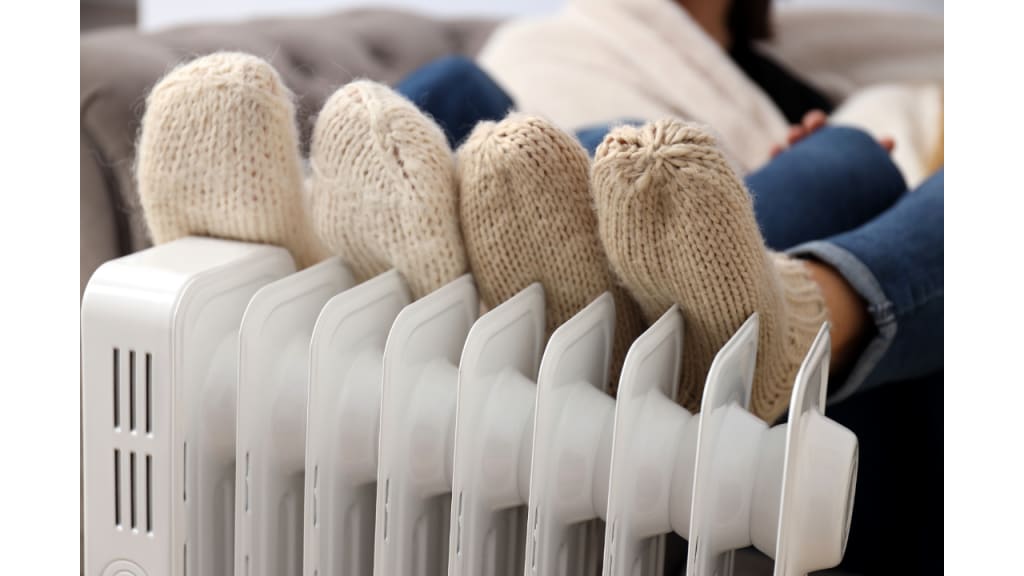
If you’ve ever stood in a Vancouver living room on a rainy evening, wrapped in a blanket despite a modest thermostat setting, you’ve felt our city’s signature chill. It’s not the coldest winter on the map, but it’s one of the dampest—and that moisture makes homes feel cooler and systems work harder. In that kind of climate, reliable heat isn’t just about comfort; it’s about sustainability and costs that don’t spike every time a front rolls through. This guide offers a practical look at how to maintain your home or storefront’s warmth without wasting energy, when to repair versus replace, and what to expect from a proper upgrade, ensuring your space feels comfortable on even the wettest days.
Why Damp Cold Exposes Weak Heating
Moist air is harder to heat, and Vancouver has plenty of it. Rain and humidity cause dust to cling to heat exchangers and coils, clog condensate drains more quickly, and accelerate corrosion on outdoor components. Older windows and leaky envelopes let warmth slip away, so equipment runs longer to deliver less. The kicker is that a single hallway thermostat can’t see the whole picture—your back bedroom might sit two degrees cooler than the living room, and south-facing glass can trick the system into shutting off before the rest of the home catches up.
Those small frictions escalate into bigger frustrations as the season progresses. Filters past their change date, burners accumulate soot, blower wheels collect debris, and ducts leak conditioned air into crawlspaces or attics. You feel it as longer run times, rooms that never quite feel right, and utility bills that creep up. Left alone, a decent system becomes an expensive, noisy one.
The Cost Of Doing Nothing
“Set it and forget it” sounds appealing, but in a coastal climate, it’s the fastest route to short cycling, cold corners, and surprise repairs. Deferred maintenance allows small issues to snowball until they become apparent on the coldest night. Dust on a heat exchanger reduces heat transfer and trips safety limits. A partially clogged condensate trap can shut down a furnace just when you need it. A heat pump with a dirty outdoor coil spends half its operating life in defrost mode. The result: a system that works harder to do less, wasting energy while delivering less comfort.
That’s why acting early is more cost-effective and less stressful than reacting late. If you’re already noticing uneven temperatures, new noises, or a thermostat that drifts while the equipment runs, it’s time to schedule a heating repair in Vancouver. A thorough diagnostic that looks beyond the symptom—airflow, temperature rise, refrigerant readings where applicable—often restores performance in a single visit and buys you time to make bigger decisions on your terms.
A Better Path: Right-Sized Equipment And Thoughtful Setup
When repairs are no longer enough, the next step isn’t simply swapping boxes; it’s matching a system to how your home actually loses and gains heat. Vancouver’s moderate winters are ideal for modern air-source heat pumps, which deliver steady heat for most of the season and efficient cooling during summer spikes. For homes with natural gas, high-efficiency furnaces still make sense, particularly as a backstop during rare arctic outflows. Many households choose a dual-fuel setup: the heat pump handles everyday warmth, while the furnace takes over on the handful of truly cold mornings.
The real difference comes from design and commissioning. A proper heating installation starts with a load calculation that accounts for your insulation levels, window types and exposure, and air leakage—not a rough estimate based on square footage. Ducts get checked for size, sealing, and static pressure so the blower can move air quietly and effectively. Outdoor units are sited with clearances that respect Vancouver’s rain and vegetation, and condensate is trapped and routed so drains don’t back up during cold snaps. At the end, commissioning verifies airflow, charge (for heat pumps), temperature rise (for furnaces), and safe operation. That last step locks in the comfort and efficiency you’re paying for.
What Homeowners Gain Right Away
When equipment is matched to your home and tuned properly, the drama disappears. Instead of blasts of heat followed by chilly lulls, you get gentle, steady warmth that makes 20°C actually feel like 20°C. Bedrooms and living areas track more closely, so you stop riding the thermostat. Cleaner coils and filters help the air feel drier in winter’s damp, which boosts perceived comfort at lower setpoints—a quiet win for energy use.
Safety and peace of mind improve, too. Fuel-burning appliances need clear venting, proper draft, and adequate combustion air; a quality service or installation confirms these basics and ensures carbon monoxide detectors are in place and tested. Simple additions like a condensate safety switch protect finished spaces from water damage if a drain clogs. These aren’t bells and whistles—they’re inexpensive safeguards that matter in a rainy climate.
What Small Businesses And Landlords Should Expect
Comfort is part of your customer experience, whether you run a café, a boutique, or a small office. Rooftop units perform best when coils are clean, economizers move freely, and belts and filters are on a schedule. Ventilation aligned with occupancy keeps indoor air fresh without over-ventilating on quiet days. Chronic hot meeting rooms or cool open-plan zones usually trace to airflow and diffuser selection more than equipment capacity; a balancing visit often solves what bigger equipment won’t.
For rental properties, predictable heat means fewer calls and happier tenants. A pre-season maintenance program with documented measurements—static pressure, temperature rise, filter sizes—turns emergencies into routine appointments. When replacement is due, proper sizing and commissioning reduce turnover complaints and protect your investment.
Lower Bills Without Compromise
Labels like AFUE, HSPF, and SEER2 matter, but real-world savings live in fundamentals: clean heat-transfer surfaces, correct airflow, sealed and balanced ducts, and controls set to your routine. Oversized furnaces have short cycles and feel less comfortable than matched systems that run longer, gentler cycles. Leaky ducts can dump a surprising share of heat into unconditioned spaces before it reaches rooms. Addressing those basics makes the most of any equipment and shows up as calmer bills through a rainy winter.
Planning, Budget, And Timing
The best decisions happen when you’re not in a cold snap. If your system is aging but stable, get ahead with an evaluation before peak season. You’ll receive honest numbers on remaining life and a clear comparison between targeted repairs and upgrades. Vancouver-area incentives for efficient equipment change regularly; checking current programs before you choose can make higher-performance options fit your budget. Shoulder seasons—spring and fall—offer faster scheduling and time to consider details like ductwork tweaks and thermostat placement.
Looking Ahead And How To Start
The near future will bring more of what works: heat pumps that are quieter and better in colder weather, furnaces that modulate more smoothly, and controls that hold steady temperatures without overshooting in shoulder seasons. Refrigerant updates will continue behind the scenes, and ventilation strategies will keep balancing indoor air quality with energy use. You don’t need to chase trends to benefit. Focus on design, installation, and care—then let the equipment do its job.
If your space is already showing the signs—longer run times, uneven rooms, new noises, or an unwelcome bill—restore baseline performance before the next weather swing. Book a heating repair in Vancouver to diagnose and tune what you have, then decide from a position of comfort. If you’re ready to think bigger, schedule a heating installation consultation that includes a load calculation, duct evaluation, and commissioning plan tailored to your home or business. In a city where the rain rarely takes a day off, heat shouldn’t be a daily guess—it should just work.
About the Creator
Keep reading
More stories from The Weekend Project and writers in Earth and other communities.
Green Plumbing
The modern homeowner and business operator face a critical choice in property upkeep: embrace traditional, often destructive, methods or pivot to sustainability. Nowhere is this choice more apparent and impactful than in the unseen network of pipes and drains that manage a building’s wastewater. For decades, the solution to clogs and slow flow involved harsh, chemical-laden products that, while effective in the short term, contributed to environmental pollution and damaged plumbing infrastructure. However, a quiet revolution in plumbing is underway, championed by advancements in eco-friendly technology. This movement focuses on minimizing water waste and maintaining healthy pipes without caustic intervention, fundamentally changing how we approach tasks like essential drain cleaning. Green plumbing is no longer a fringe concept; it is an economic and environmental imperative, built upon three foundational pillars: the biological efficiency of biodegradable enzymes, the conservation power of greywater recycling, and holistic strategies for sustainable drain maintenance.
By The Weekend Project5 months ago in Earth
Discovery of the “Word Fish” That Lived Millions of Years Ago
In a groundbreaking paleontological discovery, scientists have unearthed the fossilized remains of an ancient fish species that lived millions of years ago, now being referred to as the “Word Fish.” This remarkable find, preserved in near-perfect condition, is providing researchers with a unique glimpse into marine life from a time long before humans walked the Earth.
By Irshad Abbasi about 3 hours ago in Earth



Comments
There are no comments for this story
Be the first to respond and start the conversation.