
Green Plumbing
Biodegradable Enzymes, Greywater & Sustainable Drain Maintenance

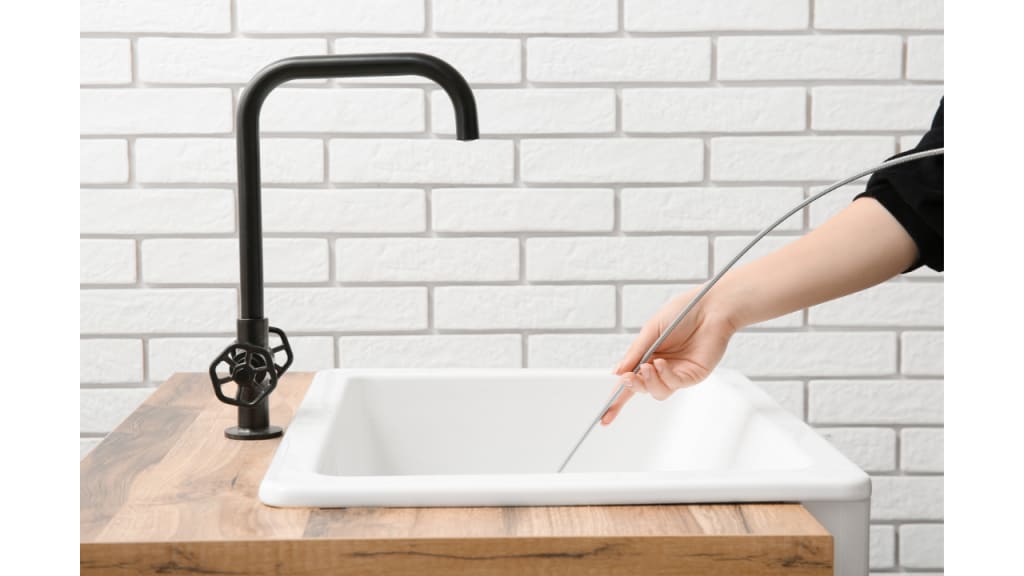
The modern homeowner and business operator face a critical choice in property upkeep: embrace traditional, often destructive, methods or pivot to sustainability. Nowhere is this choice more apparent and impactful than in the unseen network of pipes and drains that manage a building’s wastewater. For decades, the solution to clogs and slow flow involved harsh, chemical-laden products that, while effective in the short term, contributed to environmental pollution and damaged plumbing infrastructure. However, a quiet revolution in plumbing is underway, championed by advancements in eco-friendly technology. This movement focuses on minimizing water waste and maintaining healthy pipes without caustic intervention, fundamentally changing how we approach tasks like essential drain cleaning. Green plumbing is no longer a fringe concept; it is an economic and environmental imperative, built upon three foundational pillars: the biological efficiency of biodegradable enzymes, the conservation power of greywater recycling, and holistic strategies for sustainable drain maintenance.
The Biological Brilliance of Biodegradable Enzymes
When a sink or tub begins to back up, the instinctual response for many is to reach for a powerful liquid drain cleaner, typically composed of highly corrosive chemicals like sodium hydroxide or sulfuric acid. These substances work by generating heat to chemically dissolve organic matter, a process that is toxic to aquatic ecosystems when released into the sewer system. Furthermore, the extreme temperatures and corrosive nature of these chemicals can degrade PVC pipes and corrode metal fittings over time, ironically shortening the life of the very system they are meant to service.
Biodegradable enzyme cleaners offer an elegant and effective alternative. These products contain specialized, naturally occurring enzymes and beneficial bacteria cultures. Enzymes are essentially organic catalysts, proteins that speed up specific biochemical reactions. In the context of plumbing, they are specifically formulated to target and break down the molecular bonds of common drain blockages: fats, oils, grease (FOG), hair, and soap scum. Unlike caustic chemicals that burn through the clog, enzymes digest it. The bacterial component, often dormant until introduced into the water, multiplies and produces more of these enzymes, offering a residual, preventative treatment that keeps working long after the initial application. This method is non-toxic, non-corrosive, and fully biodegradable. It turns blockages into simple water-soluble compounds that are harmlessly washed away, leaving behind a clean pipe and a minimal environmental footprint. This shift from corrosive chemical intervention to natural biological digestion is a hallmark of truly green plumbing.
Harnessing the Conservation Potential of Greywater
Water scarcity is an escalating global challenge, making water conservation a necessity for any truly sustainable home or building design. Greywater systems represent one of the most significant steps a property can take toward water independence. Greywater is defined as all domestic wastewater excluding sewage from toilets (which is designated as blackwater). This includes water from sinks, showers, bathtubs, and washing machines. While it contains some soap and cleaning agents, it is far less contaminated than blackwater and relatively easy to treat and reuse.
The primary benefit of a well-designed greywater system is the dramatic reduction in potable water demand. By diverting this water from the sewer system, it can be treated with simple filtration methods and reused for non-potable purposes. The most common applications are subsurface irrigation of landscaping and flushing toilets. Reusing shower and washing machine water for lawn care is particularly effective, as it minimizes the burden on municipal water supplies during peak demand periods. Furthermore, in areas with septic systems, greywater diversion can substantially decrease the volume flowing into the septic tank and drain field, extending the life of the entire system. Implementing a greywater system requires careful planning, including proper plumbing separation and the selection of compatible biodegradable soaps and detergents to prevent soil contamination. When done correctly, this closed-loop approach transforms a building from a linear consumer of water into a cyclical manager of water resources, embodying the spirit of sustainability.
Comprehensive Strategies for Sustainable Drain Maintenance
Sustainable plumbing is not solely about reacting to problems; it is a proactive philosophy rooted in prevention. The goal is to minimize the need for aggressive interventions, whether they be chemical or mechanical. Consistent, sensible habits are the first line of defense against blockages. This includes never pouring cooking grease down the sink, using hair catchers in showers, and minimizing the disposal of solids through garbage disposals. Simple behavioral changes can drastically reduce the frequency of clogs and the reliance on heavy-duty solutions.
For routine maintenance, the integration of biodegradable enzymes is crucial. Instead of waiting for a slow drain to manifest, regular monthly treatments with enzyme-based solutions prevent the accumulation of FOG and other residues on pipe walls. This consistent enzymatic action maintains the internal diameter of the pipes, ensuring optimal flow. When a physical blockage does occur, the preference shifts to non-chemical tools. High-quality drain snakes, hydro-jetting equipment, and plungers are all preferred mechanical methods because they physically remove the obstruction without introducing toxins or compromising the integrity of the pipes. Combining behavioral awareness, routine enzyme applications, and skilled mechanical intervention forms the complete trifecta of sustainable drain maintenance, ensuring the longevity of the plumbing system and the health of the environment it connects to. Green plumbing succeeds by integrating all these elements into a seamless, preventative routine.
The interconnectedness of these three green plumbing pillars creates a powerful synergy. The use of biodegradable cleaning agents ensures that greywater is cleaner and easier to recycle, while sustainable drain maintenance practices reduce the volume of solid waste entering the system. This comprehensive approach to water management and pipe health is the future of responsible property stewardship.
Embrace a Greener Future Below the Surface
The transition to green plumbing is more than just an environmental statement; it is a pragmatic investment in your property’s future. By choosing biodegradable enzymes over corrosive chemicals, you protect your pipes and the planet. By implementing a greywater system, you turn wastewater into a valuable resource, securing water conservation for your home. By adopting proactive and sustainable drain maintenance habits, you minimize costly repairs and extend the life of your entire plumbing network. The tools and knowledge are readily available today to make this critical change.
Take the first step toward a more sustainable home: Invest in a high-quality biodegradable enzyme drain cleaner and consult with a local, certified green plumber about starting your greywater recycling project this season.
About the Creator
Keep reading
More stories from The Weekend Project and writers in Earth and other communities.
From Cold Showers To Cozy Winters
If you’ve lived through a Lee’s Summit winter morning that begins with a lukewarm shower and ends with cranking the thermostat to chase drafts, you already know the old way isn’t working. Our climate swings hard—humid, heavy summers; brittle, windy snaps in January; and shoulder seasons that can deliver three seasons in a day. Those swings expose weaknesses in aging furnaces, tired ductwork, and water heaters quietly filling with sediment. The result is a home that costs more to run while feeling less comfortable. The good news is that a few smart moves—starting with proper diagnostics and right-sized equipment—can flip that script fast.
By The Weekend Project5 months ago in Earth
San Francisco Food Banks: How Community Support Fights Hunger
San Francisco is a city filled with innovation, opportunity, and diverse communities, yet thousands of residents still struggle to secure enough nutritious food for their families. Rising living costs, fluctuating wages, and ongoing economic pressures make food insecurity a daily reality for many households. Food banks serve as an essential lifeline by providing access to healthy groceries, community resources, and supportive programs.
By Jason Pruet6 days ago in Earth



Comments
There are no comments for this story
Be the first to respond and start the conversation.